Content
The core difference is simple: a humidifier adds moisture to the air, while a dehumidifier removes it. They solve opposite problems — one fights air that is too dry, the other fights air that is too wet. Choosing the wrong device not only wastes money but can worsen the exact condition you are trying to fix.
The ideal indoor relative humidity sits between 40% and 60%. Below that range, a humidifier helps. Above it, a dehumidifier — particularly a standing dehumidifier for larger spaces — is the right tool. The sections below break down how each works, when to use which, and what to look for when buying.
A humidifier increases relative humidity by dispersing water vapor or fine water droplets into the air. There are several technologies in common use:
Most portable humidifiers cover rooms of 250–500 sq ft. Console models can handle up to 1,000 sq ft. All require regular cleaning — stagnant water in the tank can harbor mold and bacteria within 48 hours if not changed.
A dehumidifier pulls excess moisture out of the air by drawing room air over a cold coil, condensing the moisture into water, and collecting it in a reservoir or draining it via a hose. The now-drier air is rewarmed slightly and released back into the room.
The two main dehumidifier technologies are:
Dehumidifier capacity is rated in pints of water removed per 24 hours. A 50-pint dehumidifier is a common benchmark for moderately damp basements or living areas of around 1,000–2,000 sq ft.
The table below summarizes the most important differences at a glance:
| Feature | Dehumidifier | Humidifier |
|---|---|---|
| Primary function | Removes moisture from air | Adds moisture to air |
| Use when humidity is | Above 60% | Below 40% |
| Best season | Summer / rainy season | Winter / heating season |
| Water handling | Collects water (must be emptied) | Requires water refilling |
| Effect on room temperature | Slight warming effect | Slight cooling (cool mist) or warming (warm mist) |
| Common capacity unit | Pints per day (20–70+ pt) | Gallons per day (0.5–3 gal) |
| Typical coverage | 500–4,500 sq ft (model dependent) | 250–1,000 sq ft (portable) |
| Main health concern if misused | Over-drying airways and skin | Mold growth, bacteria dispersal |
High indoor humidity is not always obvious until damage appears. Watch for these indicators:
An inexpensive hygrometer (digital humidity meter, typically $10–$20) gives a precise reading in seconds and removes any guesswork about which device you actually need.
Dry indoor air — common in winter when heating systems run continuously — produces a distinct set of symptoms:
Research published in environmental health journals suggests that maintaining indoor humidity between 40–60% can reduce the survival rate of airborne viruses by up to 30% compared to very dry conditions — an additional reason to keep levels in the healthy range during winter.
A standing dehumidifier — also called a console or whole-room dehumidifier — is a freestanding floor unit significantly larger than compact tabletop models. Most standing dehumidifiers remove 30 to 70 pints of moisture per day and are designed to handle large or persistently damp spaces that a small unit cannot manage.
Oversizing wastes energy; undersizing means the unit runs continuously without achieving the target humidity. Use the table below as a starting guide based on space size and moisture level:
| Space Size | Moderately Damp | Very Damp / Wet | Extremely Wet |
|---|---|---|---|
| Up to 500 sq ft | 20–25 pint | 25–30 pint | 30 pint |
| 500–1,000 sq ft | 25–30 pint | 30–40 pint | 40–45 pint |
| 1,000–2,000 sq ft | 30–40 pint | 45–50 pint | 50–60 pint |
| 2,000–2,500 sq ft | 45–50 pint | 50–60 pint | 60–70 pint |
| Over 2,500 sq ft | 50–60 pint | 60–70 pint | 70+ pint or multiple units |
Note: if the space has poor ventilation, limited air circulation, or is below grade (basement), move up one capacity tier from what the square footage alone would suggest.
Yes — and it is more common than people expect. Many homes have damp basements and dry bedrooms simultaneously, especially in winter when the heating system dries upper floors while moisture seeps into the lower level. The practical approach:
Not directly. A dehumidifier actually releases a small amount of heat from its compressor, slightly warming the room — typically by 2–5°F. However, reducing humidity makes the same temperature feel noticeably cooler because the body can sweat and evaporate moisture more effectively in drier air. That perceived cooling is why dehumidifiers feel like a comfort upgrade in summer.
No. An air conditioner lowers actual air temperature; a dehumidifier only reduces humidity. In extremely hot weather, a dehumidifier alone is not a substitute. The two devices are often complementary — a dehumidifier reduces the load on the AC, letting it reach set temperatures more efficiently.
Place it in the center of the damp area or near the moisture source (e.g., close to a sump pit in a basement). Allow at least 6–12 inches of clearance on all sides for airflow. Avoid corners, closets, or tight spaces that restrict air intake. For basement use, run the drain hose directly to a floor drain to avoid manual emptying.
A 50-pint dehumidifier can bring a moderately damp 1,000 sq ft basement from 75% RH down to 50% RH in 8–12 hours under typical conditions. Severely wet spaces after flooding may take several days of continuous operation. Once the target humidity is reached, the built-in humidistat cycles the unit on and off to maintain it — normal daily runtime then drops to 6–10 hours.
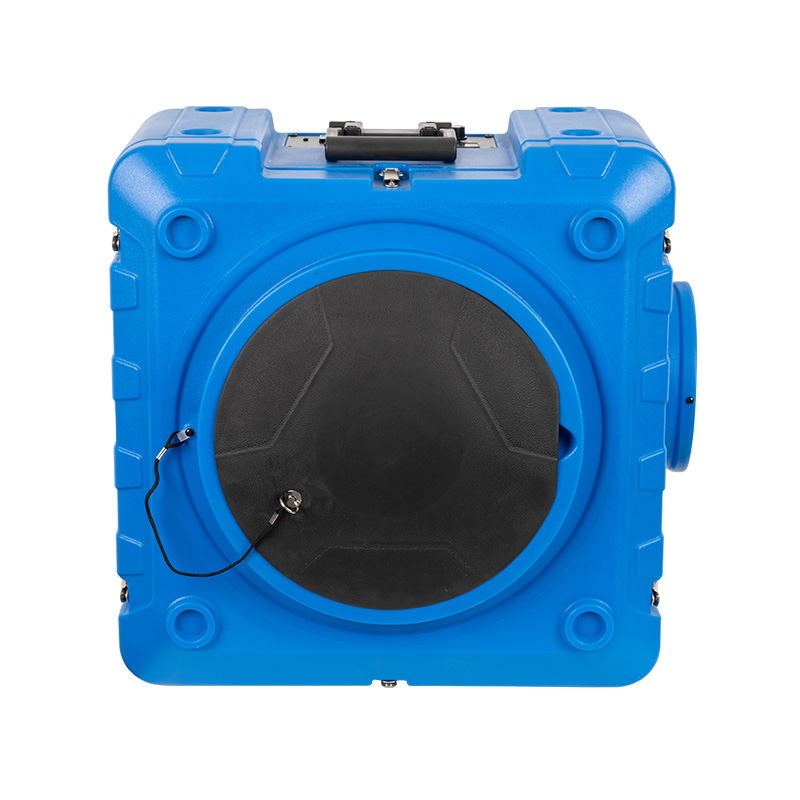
Three-Stage Filtration: The air scrubber features a three-stage filtration system that includes a pre-filter (MERV-10), carbon filter, and H13 HEPA filter. It effectively removes dust, pollen, smoke, ...
See Details
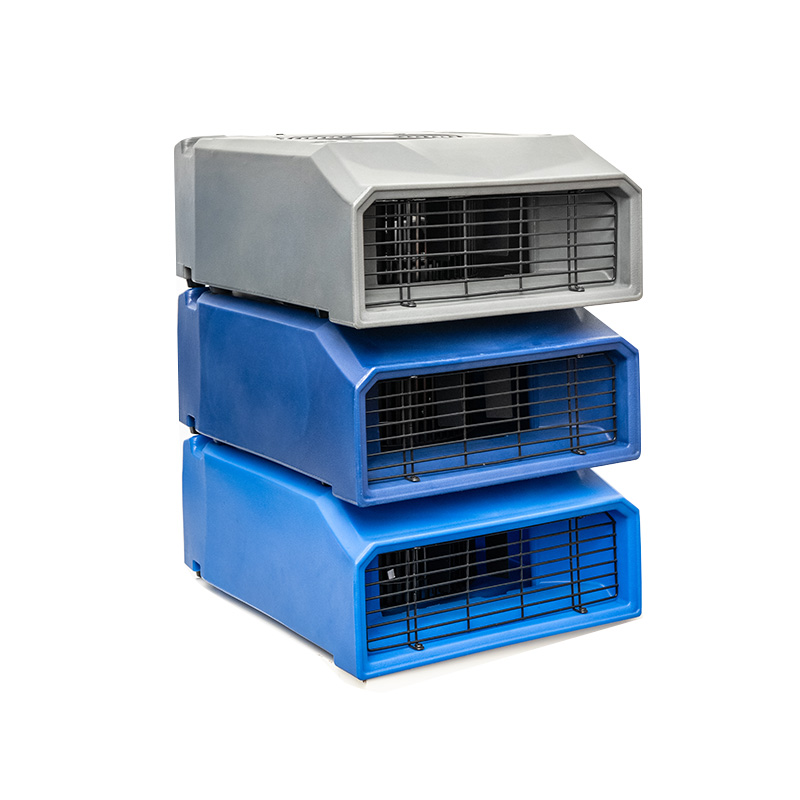
The AM-B01 High Air Volume Thin Carpet Dryers are equipped with a powerful motor that generates a high volume of airflow to ensure that your carpet dries thoroughly and quickly. This high air volume n...
See Details
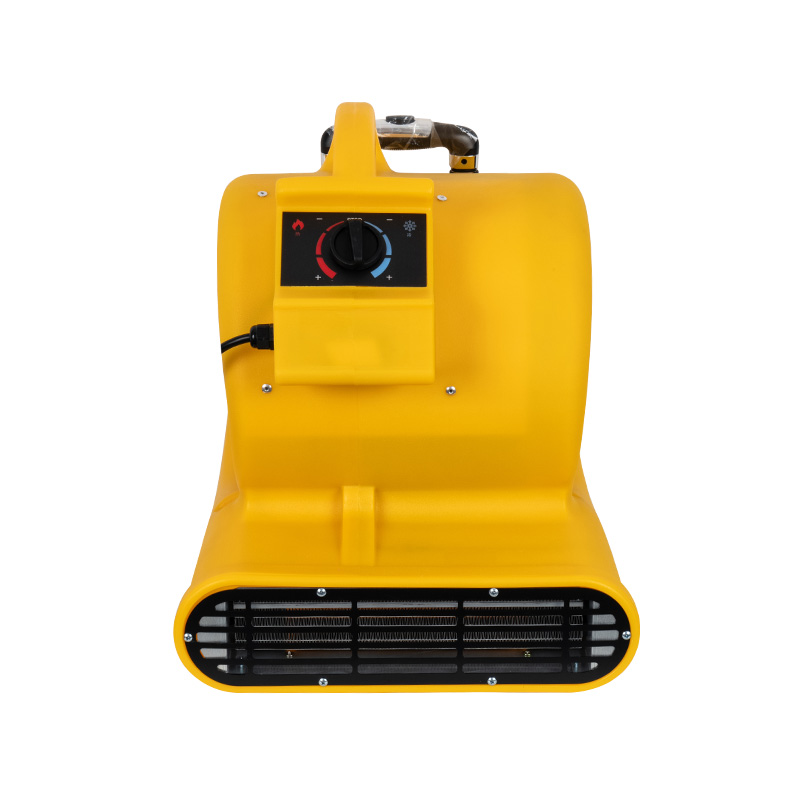
The AM-A01 Hot and Cold Carpet Drying Fans are versatile units designed to speed up the carpet drying process by utilizing hot and cold air. Combining the benefits of hot and cold air circulation, the...
See Details
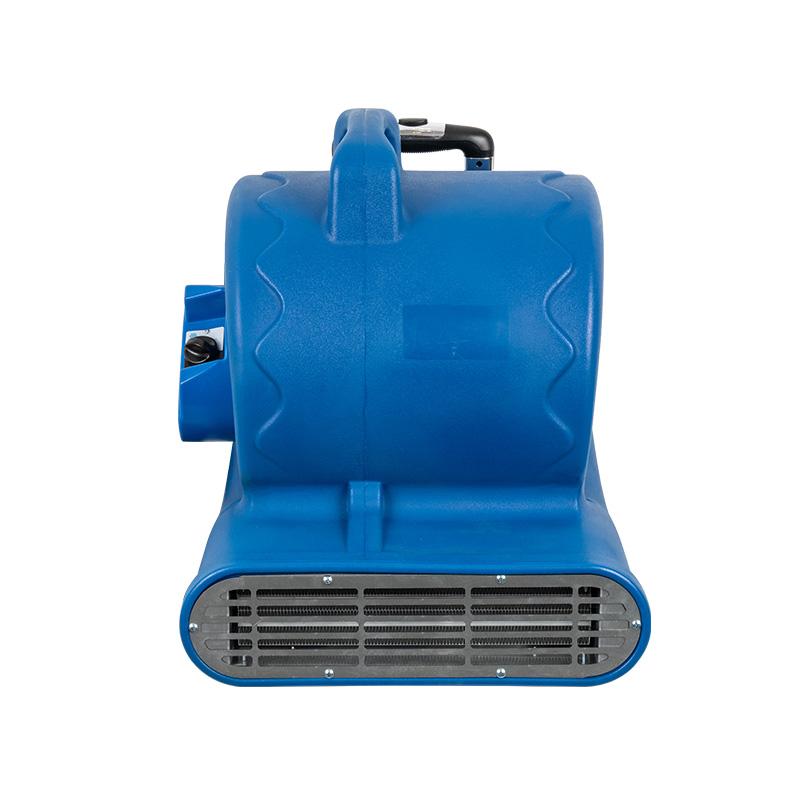
AM-A02 Multi-wing Centrifugal Wind Wheel Carpet Dryers effectively increase wind power and airflow for faster and more efficient carpet drying through the use of multi-wing centrifugal wind wheel tech...
See Details
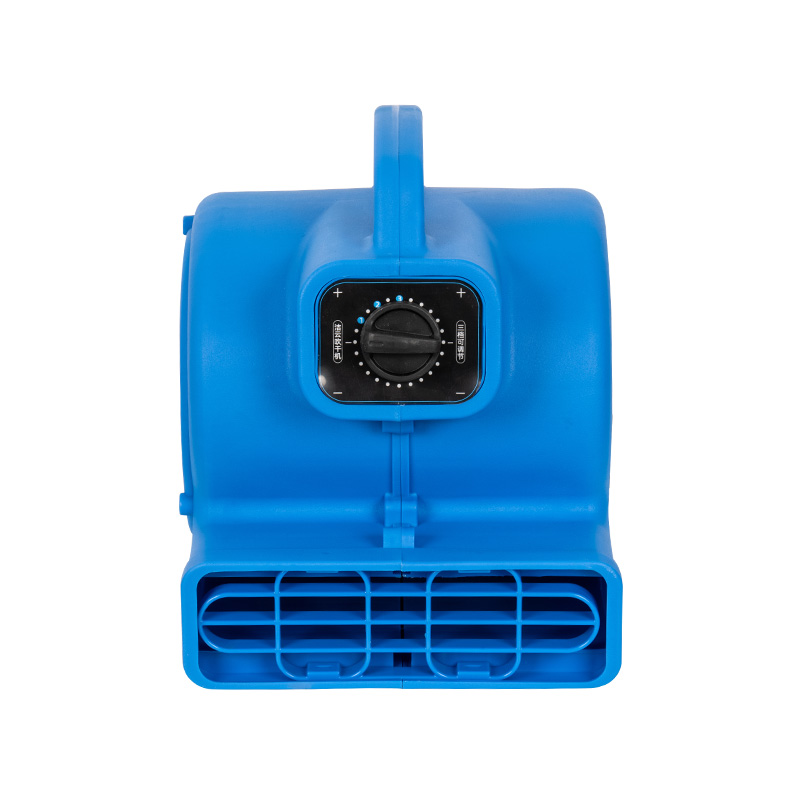
The AM-A03 Small Axial Floor Carpet Dryer is a highly efficient and versatile drying unit with a centrifugal air mover for faster surface drying. Not only is it suitable for drying carpets, floors, fu...
See Details
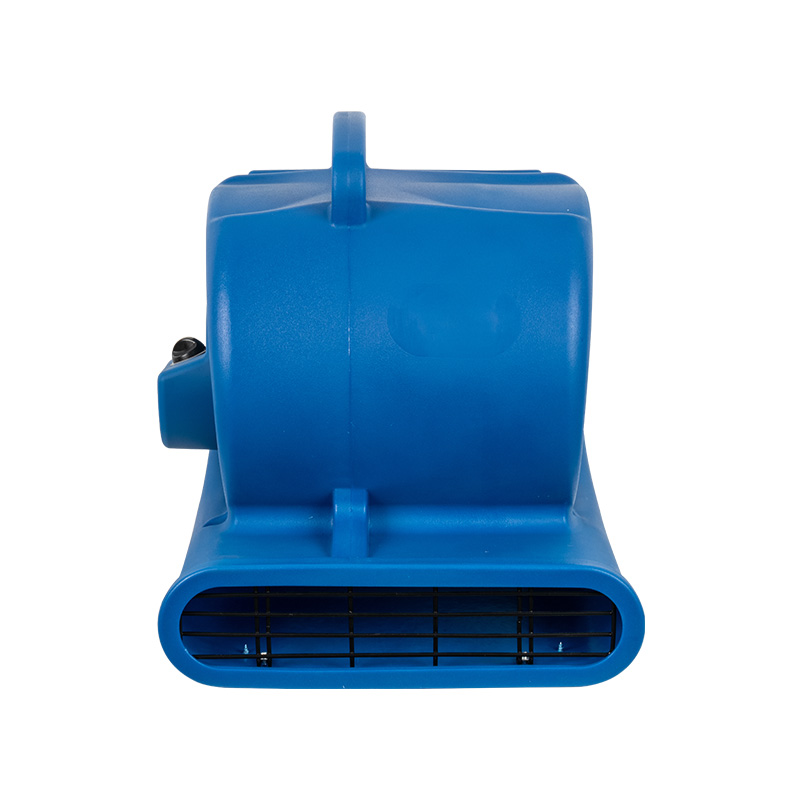
The AM-A04 Lightweight Portable Carpet Wall Floor Dryer features advanced centrifugal air movement technology for faster surface drying results. Not only is it suitable for a wide range of carpet, flo...
See DetailsStore Information
No. 88, Yuexin Road, Sanjiang Street, Shengzhou City, Shaoxing City, Zhejiang Province, China
+86-13819532379
Links
Products
Mobile Terminal