Content
Quick Answer
A duct fan works by spinning a motor-driven impeller inside a housing to create a pressure difference — pulling air in on one side and pushing it out the other — which forces air to move through ductwork or open space at a measurable rate, rated in CFM (cubic feet per minute).
Axial models push air straight through in high volume with low pressure; centrifugal models throw air outward through a spinning wheel, trading some volume for much higher pressure — which is why they perform better against long duct runs, filters, or scrubbers.
That's the mechanical core of it, but the details determine whether a fan actually moves the air you need. Below is a full breakdown of how the two main duct fan designs work, what portable metal blower fans do differently from fixed inline units, how to size CFM correctly, and the sizing mistakes that quietly cut a fan's real-world performance in half.
Every duct fan — inline, portable, axial, or centrifugal — relies on the same basic physics: a motor spins a bladed wheel, and the shape of that wheel plus its housing determines whether air is thrown straight through or flung outward before being redirected forward.
Airflow Path Through a Duct Fan
The pressure difference created at the impeller is what forces air through the duct — not just the spinning motion itself
Inline duct fans function by creating airflow within a closed ventilation system: when powered, the fan blades spin inside a cylindrical housing, pushing air through ducts toward its intended destination, either drawing stale air out or pushing fresh air in depending on how the fan is oriented in the run.
The two dominant wheel designs move air in fundamentally different directions, and that difference explains almost every performance spec you'll see on a duct fan's label:
| Design | Airflow Path | Strength | Weak Point |
|---|---|---|---|
| Axial (propeller-style) | Straight through, parallel to the shaft | High CFM, low cost, compact | Loses airflow fast against resistance |
| Centrifugal (squirrel-cage) | Pulled in center, flung outward, redirected 90° | High static pressure, holds CFM under load | Bulkier housing, slightly louder per CFM |
An axial costs considerably less than a comparable centrifugal fan delivering the same volume and pressure, and axial units are lighter and require minimal structural support — which is exactly why most portable metal blower fans on job sites use axial wheels. But when air has to travel through a long duct run, past a filter bank, or into a scrubber, resistance builds up fast, and that's where centrifugal designs — which combine the design advantages of an axial flow fan with the performance characteristics needed at higher pressures — start to pull ahead.
Both move air using the same wheel physics above, but they solve different problems — one is built into a system permanently, the other is built to be carried to wherever the air problem is that day.
An inline duct fan is designed to be installed directly inside a section of ductwork, out of sight, wired into the system — good for a permanent HVAC boost or a fixed exhaust run, but it requires the ductwork to be opened up and, in many cases, an electrician for hardwiring.
A portable metal blower fan skips all of that. It sits on the floor with a heavy-duty metal housing and bracket, plugs into a standard outlet, and connects to flexible ducting only when a specific job calls for it — confined-space ventilation, welding fume extraction, water restoration, or moving air into a crawlspace or attic temporarily. The tradeoff is noise and footprint: because the fan sits in the open room rather than buried in ductwork, it's audibly louder than a concealed inline unit.
Typical specs on a job-site-grade portable metal blower fan illustrate the category well:
Motor Size
1/3 – 1 HP
Common range for portable axial and centrifugal blowers used in restoration and job-site ventilation.
Airflow Rating
1,600 – 3,600 CFM
Measured at free-air (0" static pressure); real duct-connected output will be lower — see the sizing section below.
Housing
Heavy-gauge steel
Metal housing resists impact and heat better than plastic-shelled units and holds up to repeated job-site transport.
Duct Connection
Dual hose ports
Many models offer connectors on both the intake and discharge side for flexible confined-space setups.
Why the metal housing matters specifically: portable blowers get dragged across concrete, dropped off truck beds, and used near heat sources on restoration and demolition jobs. A metal-bodied unit built for high-temperature tolerance and sealed against contaminants holds up to that treatment in ways a lightweight plastic housing won't.
The single most common reason a duct fan feels underpowered isn't a bad fan — it's the wrong CFM calculation. There are two different formulas depending on whether you're sizing for a room or verifying flow through an existing duct.
Room-Based Sizing
CFM = (Vol × ACH) ÷ 60
Room volume in cubic feet, multiplied by required air changes per hour, divided by 60 to convert to a per-minute rate.
Duct-Based Sizing
CFM = FPM × Area
Air velocity in feet per minute multiplied by the duct's cross-sectional area in square feet.
Worked example: a 15×15 room with an 8-foot ceiling has a volume of 1,800 cubic feet. At a general-ventilation target of 6 air changes per hour, that's 1,800 × 6 ÷ 60 = 180 CFM required — a fan rated well below that, or one that loses too much output to duct resistance, will leave the room feeling stagnant even though "a fan is running."
Static pressure is the resistance to airflow created by duct length, elbows, filters, and grilles, and every duct fan is rated at a specific static pressure — usually stated in inches of water column (in. w.g.). A fan rated at 200 CFM at 0.0 inches static pressure can deliver significantly less once it's actually connected to ductwork with bends and resistance in it.
Practical Takeaway
Calculate your target CFM first using room volume or duct velocity, then check the fan's rated CFM at your expected static pressure — not the free-air number on the front of the spec sheet. A fan that looks 40% more powerful on paper can perform identically to a smaller one once both are pushing air through the same length of hose.
A duct fan rarely works alone on a serious air-quality or drying job — it's usually paired with equipment that conditions the air the fan is moving, not just moves volume for its own sake.
| Equipment | Job | Works With a Duct Fan By |
|---|---|---|
| Portable Metal Blower Fan | Moves large volumes of raw air quickly | Supplying or exhausting air through flexible ducting to a target zone |
| Air Scrubber | Filters particulates, dust, and contaminants from moving air | Cleaning the air stream a blower fan pushes through it before recirculation |
| Flat Air Mover | Directs low-profile, high-velocity airflow across surfaces | Handling surface-level drying while the duct fan manages whole-room or whole-duct exchange |
On a typical water-damage or containment job, the sequence is straightforward: a portable metal blower fan establishes directional airflow through the space or duct run, a flat air mover accelerates surface drying on floors and walls, and an air scrubber filters the air being moved so contaminants don't just get recirculated. Each machine solves a different part of the airflow problem — volume, direction, and cleanliness — and none of them substitutes for the others.
The short version: a duct fan works by using a spinning impeller to create a pressure difference that pushes air through ductwork or open space, axial designs favor volume while centrifugal designs favor pressure, portable metal blower fans trade permanence for flexibility on job sites, and correct sizing always means checking rated CFM against your actual static pressure — not the number printed on the box.
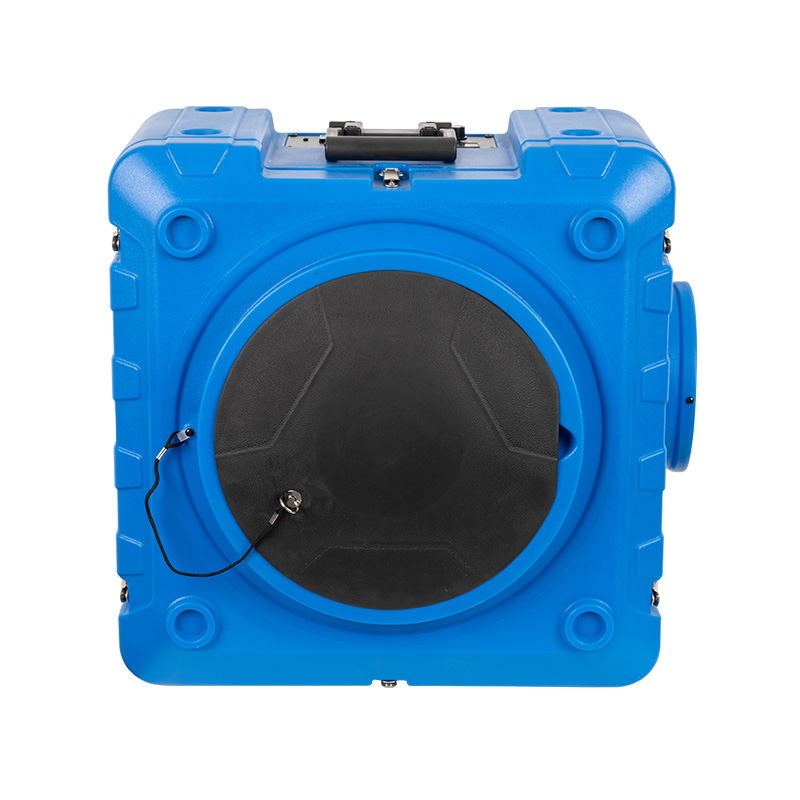
Three-Stage Filtration: The air scrubber features a three-stage filtration system that includes a pre-filter (MERV-10), carbon filter, and H13 HEPA filter. It effectively removes dust, pollen, smoke, ...
See Details
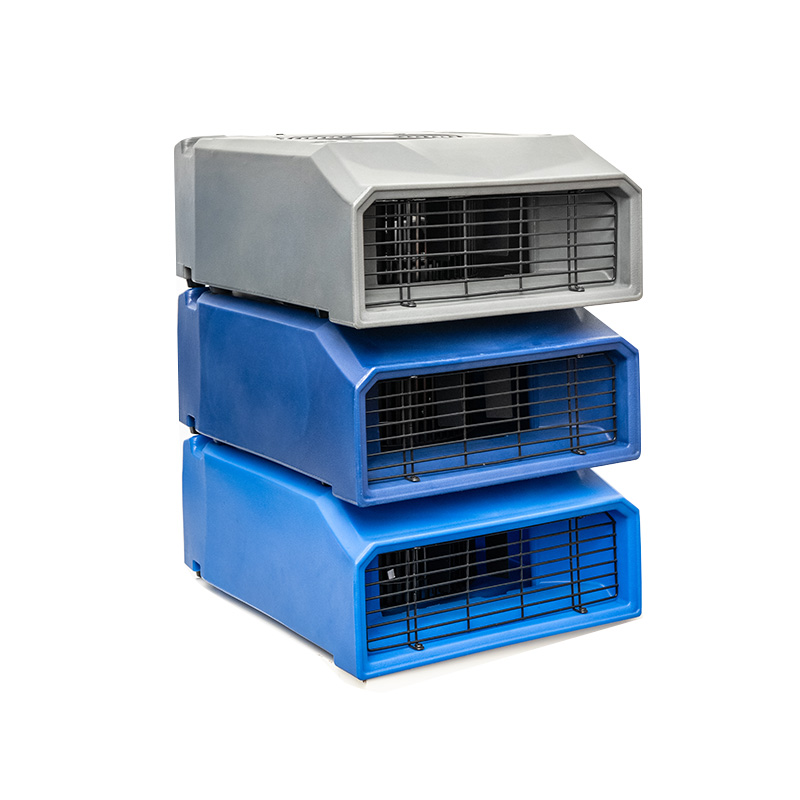
The AM-B01 High Air Volume Thin Carpet Dryers are equipped with a powerful motor that generates a high volume of airflow to ensure that your carpet dries thoroughly and quickly. This high air volume n...
See Details
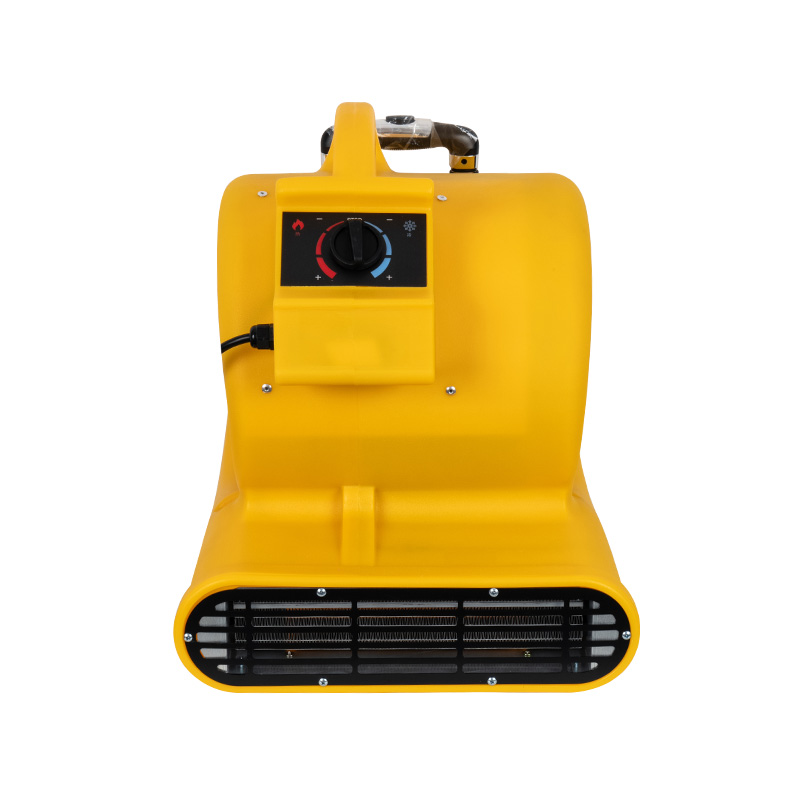
The AM-A01 Hot and Cold Carpet Drying Fans are versatile units designed to speed up the carpet drying process by utilizing hot and cold air. Combining the benefits of hot and cold air circulation, the...
See Details
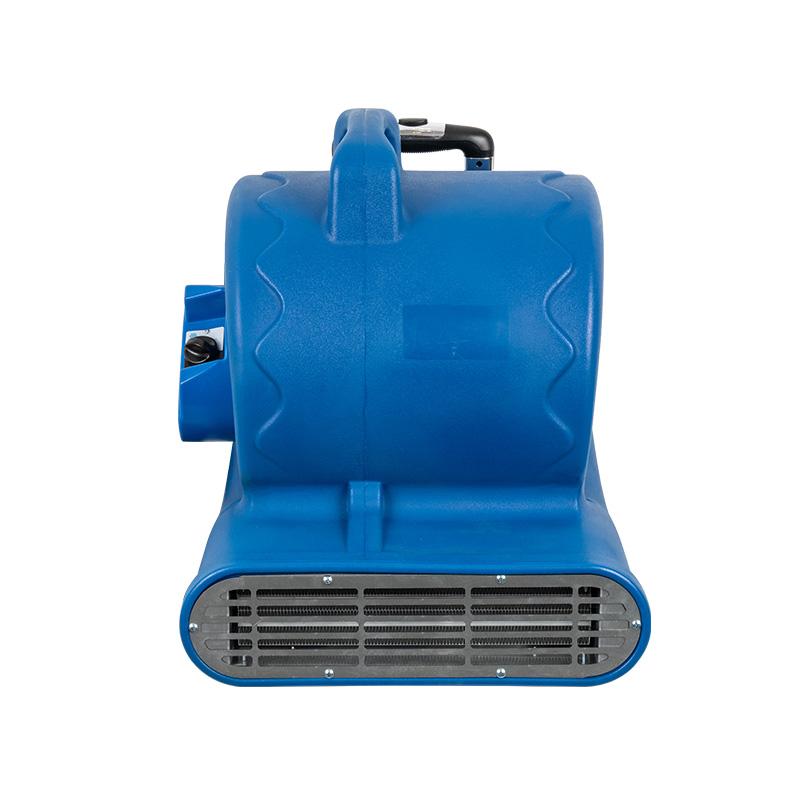
AM-A02 Multi-wing Centrifugal Wind Wheel Carpet Dryers effectively increase wind power and airflow for faster and more efficient carpet drying through the use of multi-wing centrifugal wind wheel tech...
See Details
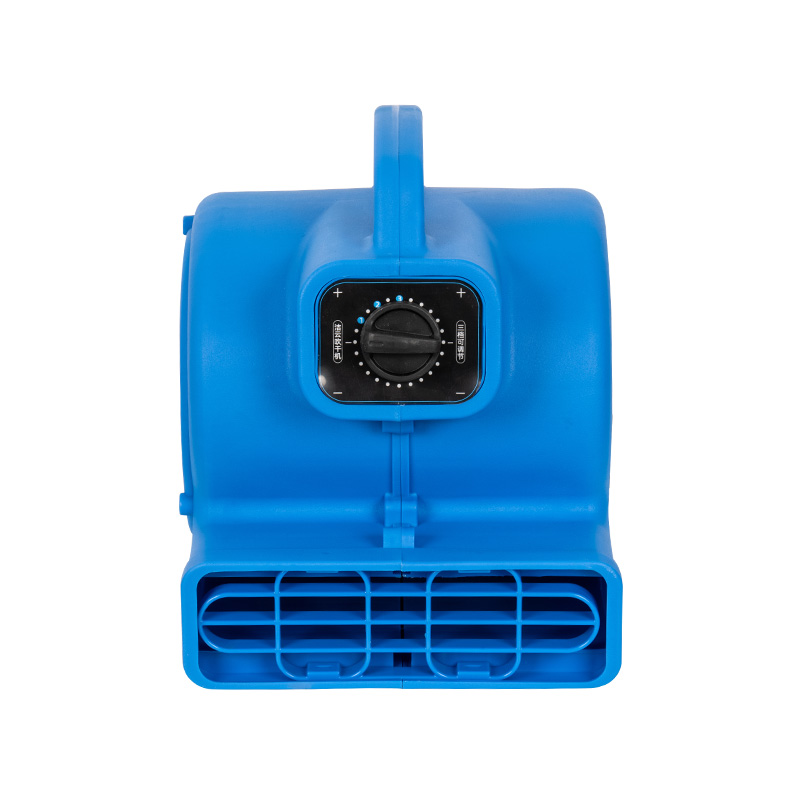
The AM-A03 Small Axial Floor Carpet Dryer is a highly efficient and versatile drying unit with a centrifugal air mover for faster surface drying. Not only is it suitable for drying carpets, floors, fu...
See Details
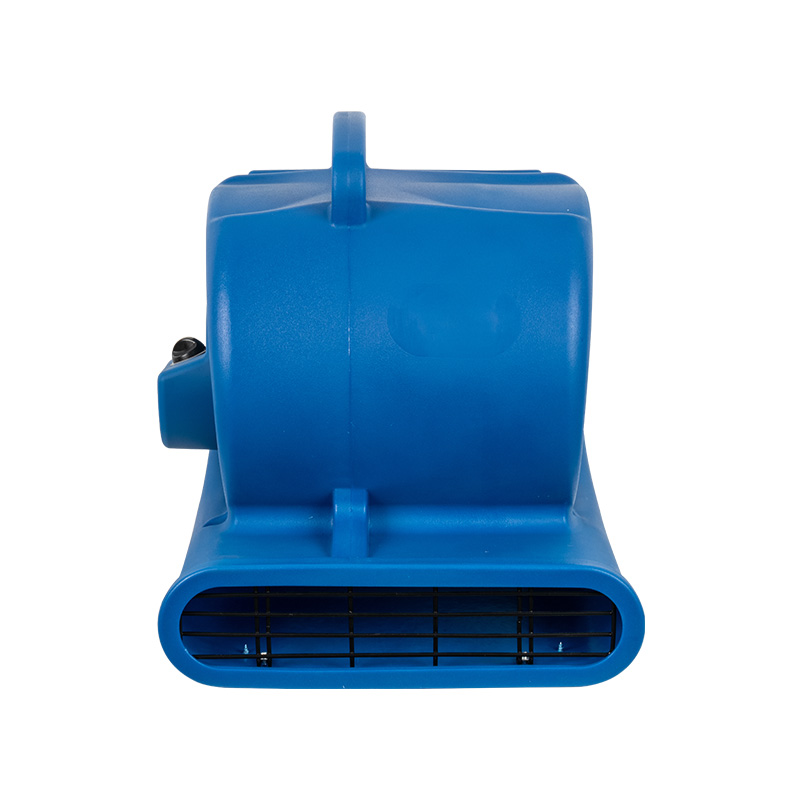
The AM-A04 Lightweight Portable Carpet Wall Floor Dryer features advanced centrifugal air movement technology for faster surface drying results. Not only is it suitable for a wide range of carpet, flo...
See DetailsStore Information
No. 88, Yuexin Road, Sanjiang Street, Shengzhou City, Shaoxing City, Zhejiang Province, China
+86-13819532379
Links
Products
Mobile Terminal


