Content
In large commercial, industrial, and institutional buildings, maintaining consistent air quality and temperature control is critical for the comfort and productivity of occupants. Whether it's an office complex, a factory floor, or a shopping mall, effective heating, ventilation, and air conditioning (HVAC) systems are essential for creating an optimal indoor environment. One of the key components that contribute to the efficiency of these systems is the duct fan.
Duct fans play a significant role in improving air distribution and ensuring uniform temperature control throughout large facilities. By enhancing airflow, duct fans help maintain the desired temperature and air quality while reducing energy consumption and improving system efficiency.
Duct fans are mechanical devices designed to improve airflow within HVAC ductwork systems. They are typically installed in ducts to move air more efficiently through the ventilation system, ensuring that conditioned air (heated or cooled air) is evenly distributed throughout the building. Duct fans are used in various applications, from residential homes to large industrial plants, to optimize air circulation and temperature control.
Unlike traditional fans that may be used in a single room, duct fans are integrated into the duct system and are typically used to assist with the movement of air across longer distances or through larger spaces. They are available in different sizes and capacities to meet the needs of different types of facilities, from small commercial buildings to large-scale industrial operations.
One of the primary functions of duct fans is to improve air distribution within a building. In large facilities, air often has to travel long distances through ductwork, which can result in uneven distribution if the system is not designed properly. Duct fans help ensure that the air is evenly distributed throughout the space, preventing areas from becoming overheated or excessively cold.
In large buildings with extensive ductwork, air can lose pressure and velocity as it travels through the system. This can lead to areas of the building receiving insufficient airflow, which results in hot or cold spots. Duct fans help overcome this issue by boosting air movement, ensuring that the airflow remains consistent and reaches all areas of the building.
This is particularly important in large industrial facilities, warehouses, and commercial spaces where HVAC systems need to serve vast areas with varying air distribution needs. By installing duct fans in strategic locations within the duct system, air can be pushed through more efficiently, maintaining consistent temperature levels throughout the facility.
Certain areas within a large facility, such as basements, attics, or rooms with complex layouts, can present challenges for effective ventilation. These areas may have restricted airflow or may not receive enough conditioned air due to their distance from the central HVAC unit. Duct fans help address these issues by improving airflow to these hard-to-reach areas, ensuring proper ventilation and comfort for the occupants.
For instance, in a large warehouse, parts of the building near loading docks or storage areas may experience different air conditions than the main office areas. By installing duct fans in the ductwork leading to these areas, businesses can ensure that all zones within the building are adequately ventilated and maintain a consistent environment.
A key aspect of efficient air distribution is maintaining balanced air pressure within the duct system. If there are pressure imbalances, it can lead to reduced airflow in certain areas and increased resistance in others, making it harder for the HVAC system to work efficiently. Duct fans help regulate air pressure throughout the system, preventing these imbalances and ensuring smooth and uniform airflow across the entire facility.
In addition to air distribution, duct fans play a crucial role in improving temperature control within large facilities. Temperature control is not just about keeping the building at a comfortable temperature; it also involves regulating the distribution of heat and cooling so that all areas of the building remain within the desired range.
One of the most significant challenges in large buildings is the distribution of conditioned air to ensure consistent temperature levels in all areas. Without the assistance of duct fans, temperature variations can occur due to several factors, such as the size of the building, the design of the HVAC system, and the distance the air travels through the ducts. Some areas may become too warm, while others may remain cold.
Duct fans help maintain uniform temperature control by improving the circulation of heated or cooled air. This ensures that air is distributed more evenly throughout the space, eliminating cold or hot spots. For example, a large office building with multiple floors or sections can benefit from duct fans by ensuring that each floor receives an equal share of the conditioned air, promoting consistent comfort for all occupants.
Maintaining even temperature distribution is not only crucial for comfort but also for energy efficiency. If some areas of a building are too hot or too cold, the HVAC system may have to work harder to compensate for these discrepancies. This can lead to higher energy consumption and increased utility bills.
By ensuring that air is distributed evenly and temperature fluctuations are minimized, duct fans help reduce the workload on the HVAC system. This allows the system to operate more efficiently, saving energy and lowering costs. In large facilities where energy use can be a significant expense, duct fans provide a cost-effective solution to improving overall energy efficiency.
Duct fans also contribute to the overall performance of the HVAC system. By assisting with air distribution and temperature regulation, duct fans help the system reach its optimal performance level, ensuring that it operates at maximum efficiency. When the HVAC system can distribute air effectively and maintain consistent temperatures, it doesn't have to cycle on and off as frequently, reducing wear and tear on the system.
This means fewer repairs, longer equipment lifespan, and lower maintenance costs for building owners and operators. Proper temperature control, combined with efficient airflow, ensures that the HVAC system performs optimally throughout the year, even during peak heating or cooling seasons.
Duct fans are used in a wide variety of applications across different industries, each with unique needs for air distribution and temperature control. Here are some examples of how duct fans are applied in large facilities:
In office buildings, maintaining a comfortable and productive work environment is essential. Duct fans help ensure that air conditioning and heating systems are efficiently distributing air throughout the building, preventing discomfort caused by uneven temperatures. By improving airflow, duct fans contribute to better indoor air quality (IAQ), creating a healthier environment for employees.
In industrial facilities, such as factories or warehouses, duct fans help regulate temperature and humidity levels while also providing adequate ventilation for workers. These buildings often have varying temperature needs depending on the zones or operations taking place. Duct fans are essential for moving air through large spaces and ensuring that workers are comfortable and that air quality standards are met.
Hospitals, clinics, and medical centers require strict control over temperature and ventilation to maintain patient health and comfort. Duct fans are crucial in ensuring that air is evenly distributed and that temperature variations are minimized, particularly in critical care units or operating rooms. In these environments, maintaining consistent airflow and temperature can help prevent the spread of contaminants and improve overall air quality.
In shopping malls, hotels, and restaurants, comfort is key for customer satisfaction. Duct fans improve airflow and help maintain consistent temperature control across large areas. These fans can be particularly useful in spaces with high ceilings or complex layouts where air distribution is typically more challenging.
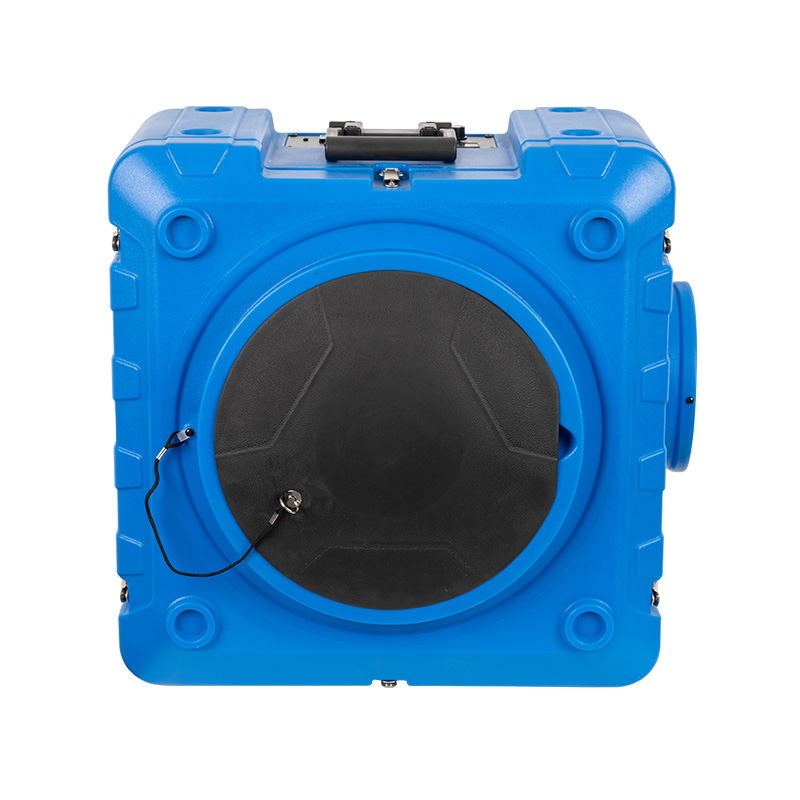
Three-Stage Filtration: The air scrubber features a three-stage filtration system that includes a pre-filter (MERV-10), carbon filter, and H13 HEPA filter. It effectively removes dust, pollen, smoke, ...
See Details
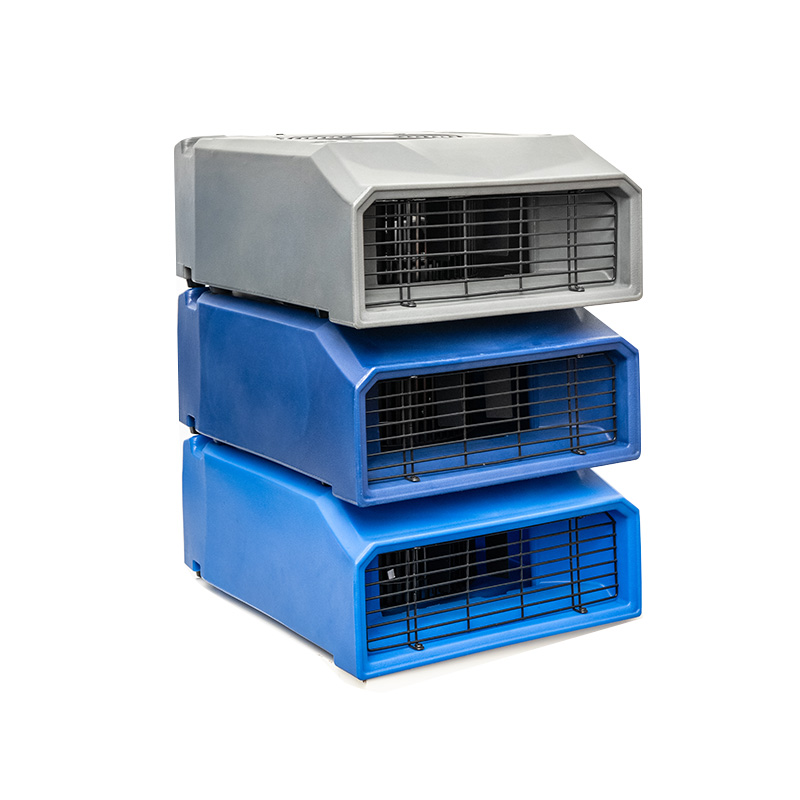
The AM-B01 High Air Volume Thin Carpet Dryers are equipped with a powerful motor that generates a high volume of airflow to ensure that your carpet dries thoroughly and quickly. This high air volume n...
See Details
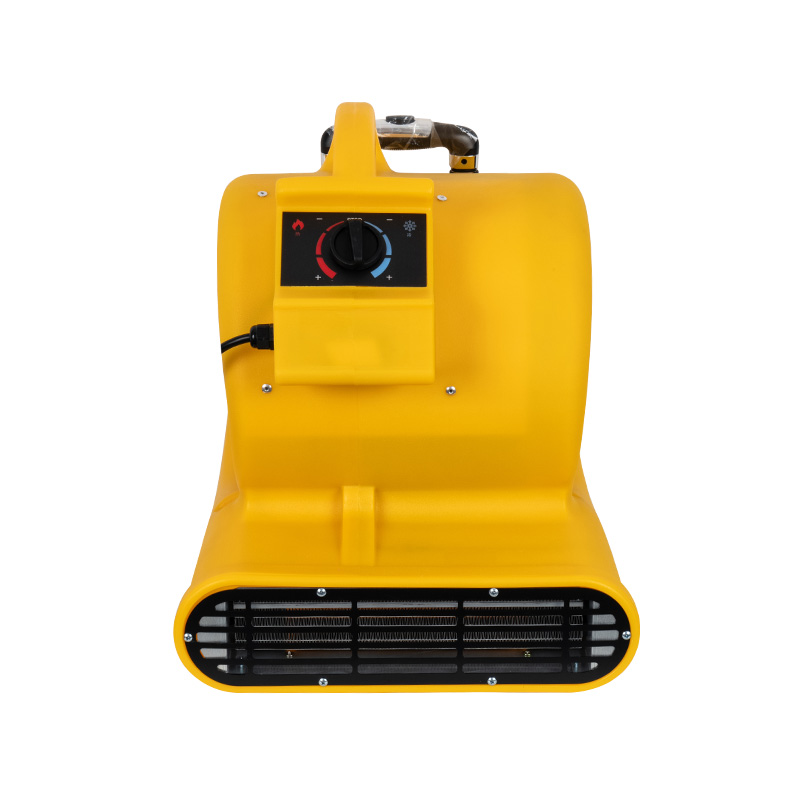
The AM-A01 Hot and Cold Carpet Drying Fans are versatile units designed to speed up the carpet drying process by utilizing hot and cold air. Combining the benefits of hot and cold air circulation, the...
See Details
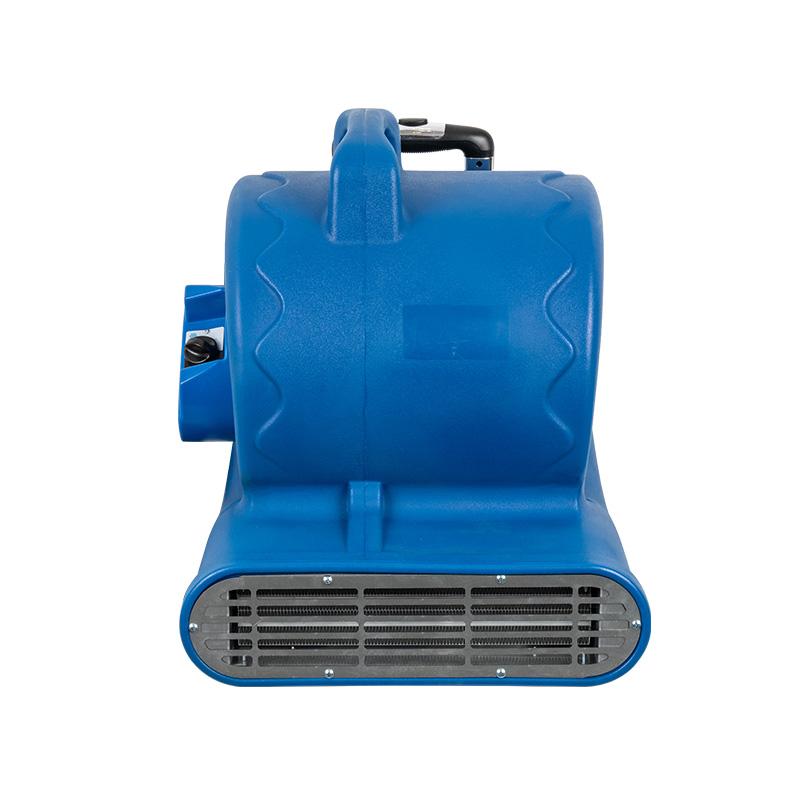
AM-A02 Multi-wing Centrifugal Wind Wheel Carpet Dryers effectively increase wind power and airflow for faster and more efficient carpet drying through the use of multi-wing centrifugal wind wheel tech...
See Details
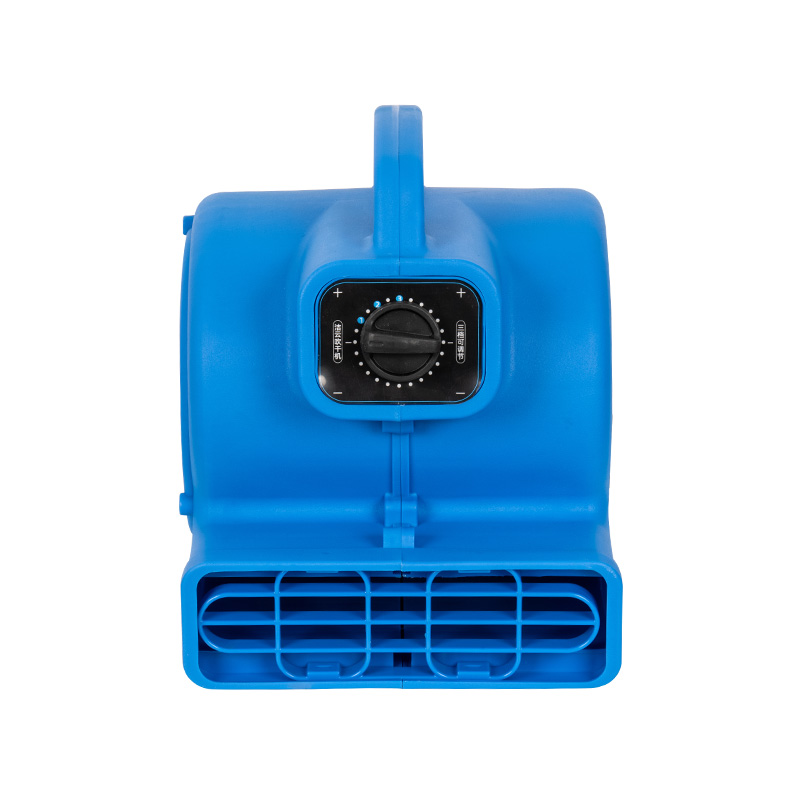
The AM-A03 Small Axial Floor Carpet Dryer is a highly efficient and versatile drying unit with a centrifugal air mover for faster surface drying. Not only is it suitable for drying carpets, floors, fu...
See Details
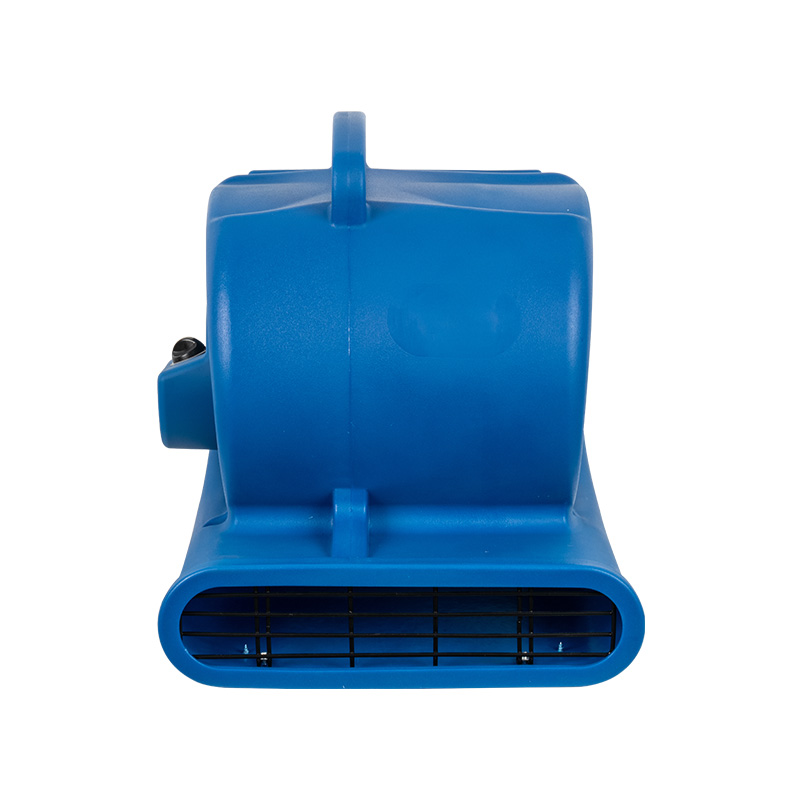
The AM-A04 Lightweight Portable Carpet Wall Floor Dryer features advanced centrifugal air movement technology for faster surface drying results. Not only is it suitable for a wide range of carpet, flo...
See DetailsStore Information
No. 88, Yuexin Road, Sanjiang Street, Shengzhou City, Shaoxing City, Zhejiang Province, China
+86-13819532379
Links
Products
Mobile Terminal