Content
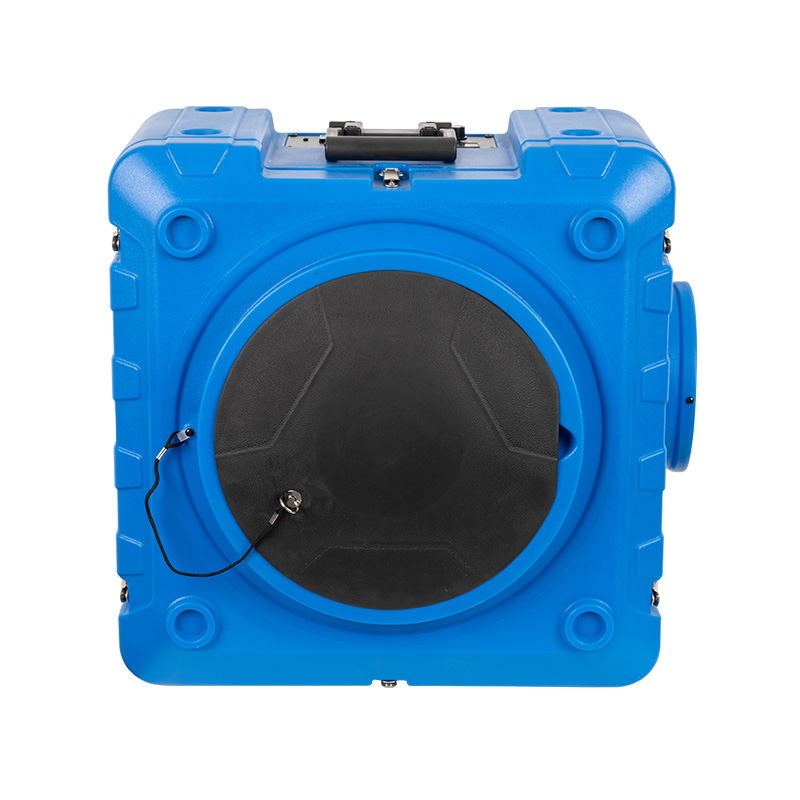
An air scrubber is a filtration device that actively pulls air through a series of filters to remove dust, mold spores, allergens, smoke, and airborne chemicals, then releases cleaner air back into the room. Unlike a standard air purifier meant for everyday household air, most air scrubbers are built for heavier-duty jobs — construction cleanup, water damage restoration, mold remediation, and wildfire smoke — and can process much larger volumes of contaminated air per hour.
Portable air scrubbers are the compact, wheeled or handheld versions of this technology, designed to be moved from room to room or job site to job site. Below, we break down exactly how they work, what separates them from regular air purifiers, and how to choose the right size and filter setup for your specific situation.
An air scrubber uses an internal fan to draw contaminated air in through an intake, push it through multiple filtration stages, and expel the cleaned air out the other side. Most units repeat this cycle continuously, which is why performance is measured in CFM (cubic feet per minute) — a higher CFM means the machine processes more air, and processes it faster, than a lower-rated unit.
Most professional-grade air scrubbers use a three-stage filtration process, with each stage targeting a different size or type of particle:
Some industrial models add a negative air pressure function, which is used in mold remediation to prevent spores from spreading into unaffected rooms while the scrubber cleans the contained space.
The terms are often used interchangeably, but they're built for different jobs. An air purifier is designed for continuous, low-level filtration in a living space — think bedrooms or living rooms with normal household dust and pet dander. An air scrubber is built to handle heavy, acute contamination such as construction dust, fire damage, sewage cleanup, or active mold growth, and typically moves far more air per hour to do it.
| Feature | Air Purifier | Air Scrubber |
|---|---|---|
| Typical CFM | 50-300 CFM | 300-2,000+ CFM |
| Primary Use | Everyday home air quality | Remediation, construction, disaster cleanup |
| Build | Lightweight, decorative housing | Rugged, often wheeled or stackable |
| Runtime Use Case | Runs continuously, long-term | Runs intensively for hours or days per job |
Portable air scrubbers are used across a wide range of residential, commercial, and industrial situations where air quality needs to be corrected quickly rather than maintained gradually.
Water damage restoration and mold remediation are the two most common professional uses. After a flood, an air scrubber running 24-48 hours can significantly reduce airborne mold spore concentration before it has a chance to spread to unaffected areas of a building.
Drywall sanding, demolition, and flooring work generate large amounts of fine dust that regular vacuums and open windows can't fully clear. A portable scrubber placed in the work zone captures this dust at the source, cutting down on cleanup time and protecting workers' respiratory health.
Homes near wildfire-prone regions increasingly use portable air scrubbers with carbon filtration to reduce smoke particles and the lingering smell of smoke, especially in rooms where standard HVAC filters aren't rated for fine particulate matter.
Sizing an air scrubber correctly comes down to matching its CFM rating to the size of the room and how many air changes per hour (ACH) the situation requires. Standard cleanup work typically needs 4-6 ACH, while active mold containment or fire restoration often calls for 6-8 ACH or higher.
A simple formula for estimating the CFM you need is: (Room volume in cubic feet × desired ACH) ÷ 60 = required CFM. For example, a 1,200 square foot space with 8-foot ceilings (9,600 cubic feet) that needs 6 air changes per hour would require a scrubber rated at roughly 960 CFM.
| Room Size | Light Use (4 ACH) | Heavy Use (8 ACH) |
|---|---|---|
| 300 sq ft | ~160 CFM | ~320 CFM |
| 1,000 sq ft | ~530 CFM | ~1,070 CFM |
| 2,500 sq ft | ~1,330 CFM | ~2,670 CFM |
When in doubt, it's better to size up slightly — an undersized scrubber running at full capacity constantly wears out faster than a properly sized unit running at a moderate pace.
Not all portable air scrubbers are built the same, and the right feature set depends on how and where you'll use it. The following features make the biggest practical difference:
HEPA filters in heavy-use scrubbers typically need replacement every 3-6 months under regular job-site conditions, though this can shorten to just a few weeks during intensive remediation work. Pre-filters are cheaper and should be checked more frequently, since a clogged pre-filter reduces airflow and forces the HEPA filter to work harder than it should.
Placement matters as much as the machine itself. For the best results, position the scrubber near the source of contamination rather than against a far wall, and keep doors and windows closed during operation so the unit isn't constantly pulling in new unfiltered air.
In containment situations, such as active mold remediation, the scrubber should be set up to create negative air pressure — pulling more air out of the contained space than is coming in — which keeps spores from escaping into the rest of the building through gaps around doors or vents.
For construction dust, running the scrubber for the duration of the work plus an additional 1-2 hours afterward typically clears residual airborne particles. For mold or fire restoration, professionals often recommend continuous operation for 24-72 hours, depending on the severity of contamination and the results of air quality testing.
For homeowners handling a one-time issue, such as a single mold cleanup or post-renovation dust, renting is usually the more practical choice. Daily rental rates for a mid-size portable air scrubber typically run $50-$150 per day, while purchasing a comparable unit outright can cost $300-$1,500 depending on CFM rating and filtration stages.
Contractors and restoration companies that use air scrubbers regularly generally find that buying pays for itself within 5-10 uses compared to ongoing rental costs, and it also ensures the equipment is on hand immediately rather than waiting on rental availability during high-demand periods like flood season.
An air scrubber earns its place wherever air quality has been acutely compromised — construction dust, mold, smoke, or water damage — situations a standard air purifier simply isn't built to handle. Choosing the right unit comes down to matching CFM to room size and contamination level, confirming true HEPA filtration, and following recommended runtimes for the specific job. Done correctly, a properly sized portable air scrubber can bring a contaminated space back to safe, breathable air in a matter of hours rather than days.
Three-Stage Filtration: The air scrubber features a three-stage filtration system that includes a pre-filter (MERV-10), carbon filter, and H13 HEPA filter. It effectively removes dust, pollen, smoke, ...
See Details
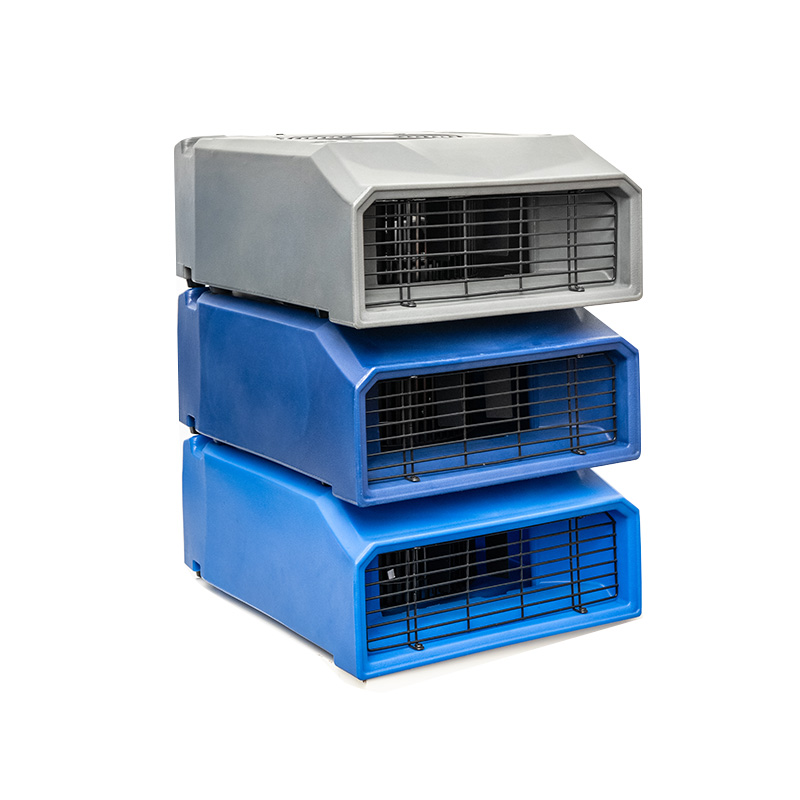
The AM-B01 High Air Volume Thin Carpet Dryers are equipped with a powerful motor that generates a high volume of airflow to ensure that your carpet dries thoroughly and quickly. This high air volume n...
See Details
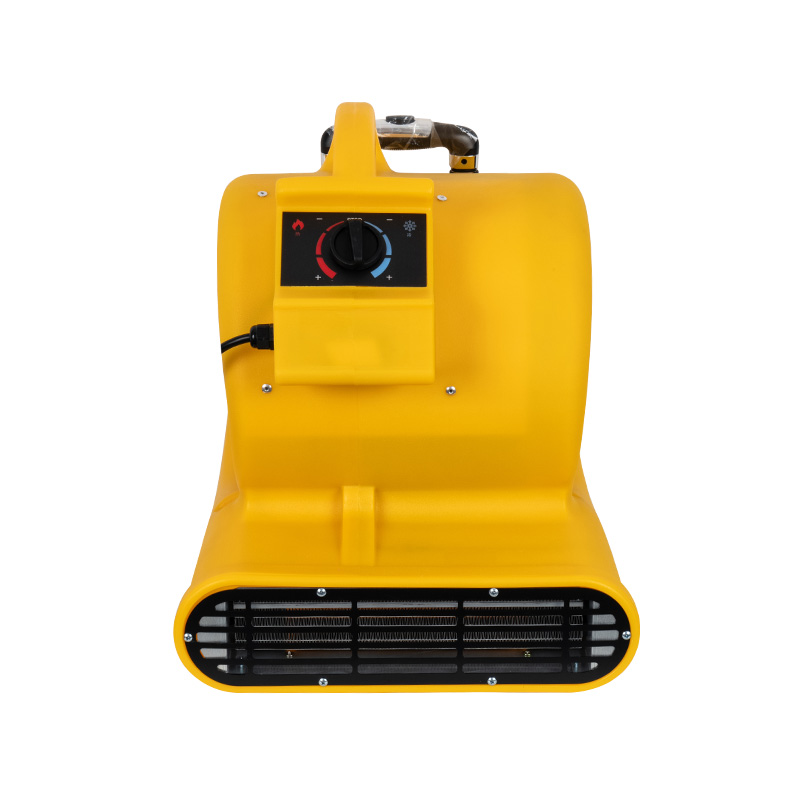
The AM-A01 Hot and Cold Carpet Drying Fans are versatile units designed to speed up the carpet drying process by utilizing hot and cold air. Combining the benefits of hot and cold air circulation, the...
See Details
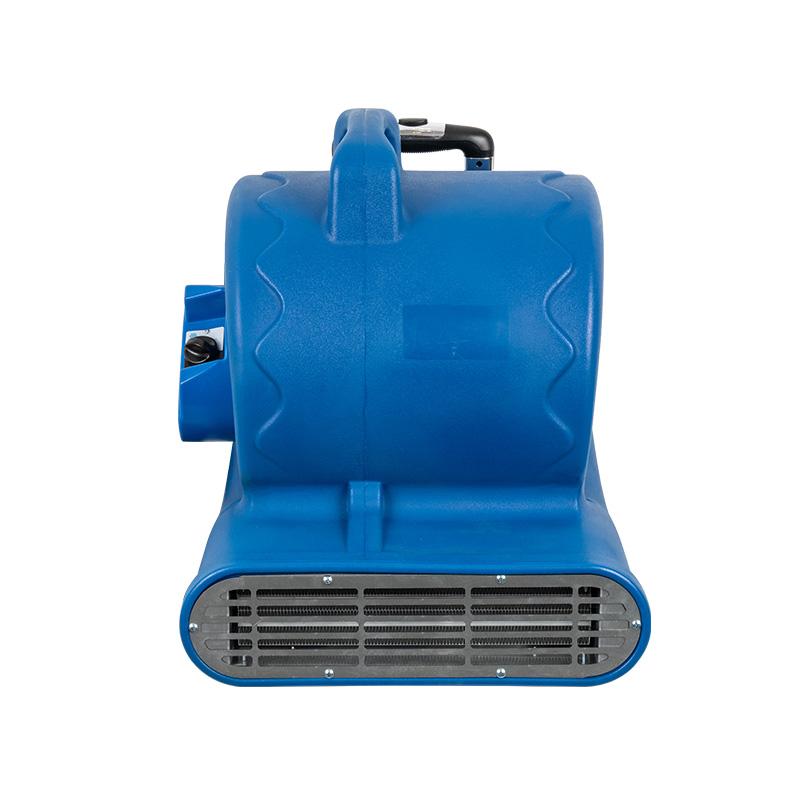
AM-A02 Multi-wing Centrifugal Wind Wheel Carpet Dryers effectively increase wind power and airflow for faster and more efficient carpet drying through the use of multi-wing centrifugal wind wheel tech...
See Details
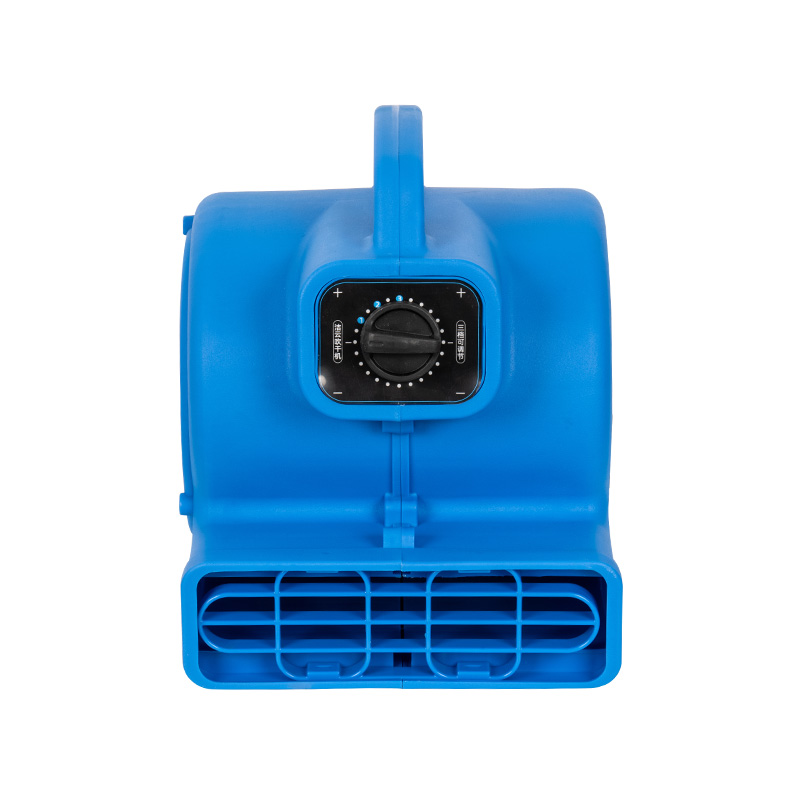
The AM-A03 Small Axial Floor Carpet Dryer is a highly efficient and versatile drying unit with a centrifugal air mover for faster surface drying. Not only is it suitable for drying carpets, floors, fu...
See Details
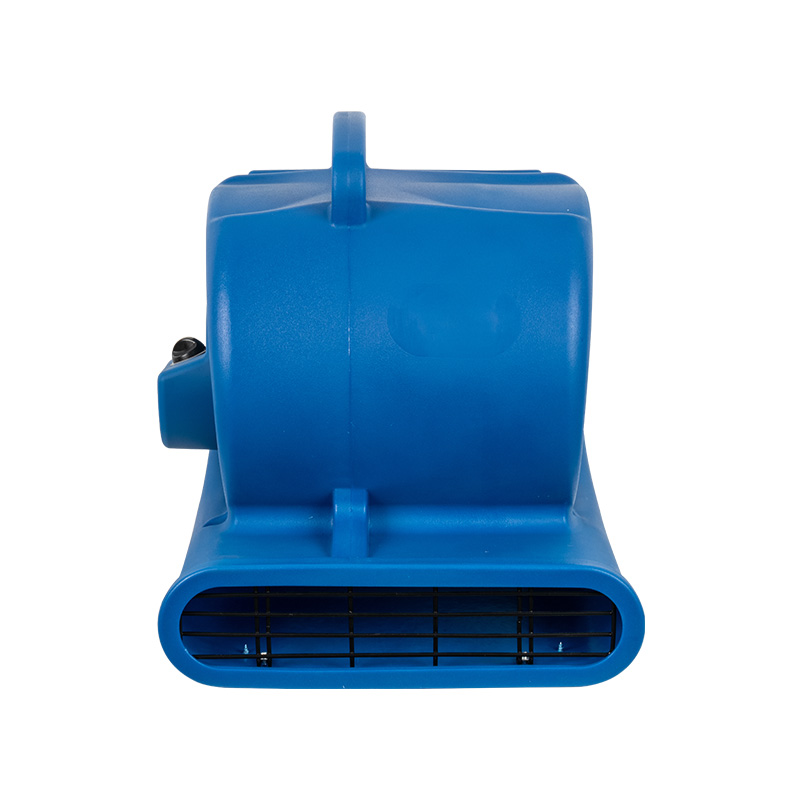
The AM-A04 Lightweight Portable Carpet Wall Floor Dryer features advanced centrifugal air movement technology for faster surface drying results. Not only is it suitable for a wide range of carpet, flo...
See DetailsStore Information
No. 88, Yuexin Road, Sanjiang Street, Shengzhou City, Shaoxing City, Zhejiang Province, China
+86-13819532379
Links
Products
Mobile Terminal