Content
Industrial ventilation systems are critical for maintaining air quality, temperature control, and safety in various manufacturing, processing, and storage environments. One of the key components of these systems is the blower, which plays a vital role in ensuring proper airflow and maintaining the desired conditions in industrial settings. Among the various types of blowers available, axial blowers are particularly popular for their efficiency, versatility, and performance in high-demand applications.
An axial blower is a type of air-moving equipment that uses rotating blades to move air or gas along an axis. These blowers work by drawing air into the inlet, accelerating it through the rotating blades, and then expelling it along the same axis. Unlike centrifugal blowers, which push air out in a radial direction, axial blowers maintain a straight airflow, making them ideal for applications requiring high volumes of air with lower pressure.
Axial blowers are widely used in various industries, including manufacturing, HVAC (heating, ventilation, and air conditioning), agriculture, and waste management. They are commonly employed in applications such as cooling systems, exhaust systems, and general air circulation.
High Airflow Capacity
Axial blowers are designed to handle large volumes of air, making them particularly effective in applications where high airflow is required. They are commonly used in situations where maintaining consistent airflow across large spaces, such as factory floors, warehouses, or ventilation ducts, is crucial.
Compared to other types of air-moving equipment, axial blowers tend to be more energy-efficient for applications that require a high volume of air with moderate pressure. This is because they can move a large amount of air with relatively low energy input, which helps to reduce overall energy costs in industrial ventilation systems.
Axial blowers are generally more compact and lightweight than their centrifugal counterparts. This makes them easier to install and integrate into existing systems. Their design also allows for installation in tighter spaces, providing flexibility in system layout.
Many modern axial blowers come with variable-speed controls, which allow for adjustment based on the specific requirements of the ventilation system. This can result in more precise airflow control, contributing to energy savings and enhanced performance in industrial settings.
Industrial ventilation systems are designed to control the environment within factories, warehouses, and processing plants. Effective ventilation is critical not only for maintaining a comfortable and safe working environment but also for ensuring the efficient operation of machinery and processes. Axial blowers are integral components of these systems, offering multiple advantages that contribute to the overall success of industrial ventilation strategies.
In industrial environments, the air often contains dust, fumes, gases, and other pollutants that can negatively impact worker health and product quality. Proper ventilation ensures that harmful substances are removed from the air, helping to maintain a safe and clean working environment.
Axial blowers are particularly effective at removing contaminants by promoting the flow of air through filtration systems and exhaust vents. Their high airflow capacity ensures that large volumes of air can be processed, helping to eliminate pollutants and keep indoor air quality at acceptable levels.
Many industrial processes generate heat, which can cause discomfort for workers and potentially damage sensitive equipment. Axial blowers are commonly used in cooling systems to regulate temperatures by circulating air around machinery, equipment, and production areas.
By maintaining a consistent airflow, axial blowers help to dissipate heat and prevent the build-up of hot spots. This ensures that machines operate within their optimal temperature range, reducing the risk of overheating and improving the overall efficiency of industrial operations.
In addition to improving air quality and temperature, axial blowers are often used in exhaust systems to remove excess heat, gases, and fumes from industrial processes. Whether it's venting the exhaust from a manufacturing line, a chemical plant, or a food processing facility, axial blowers provide a reliable solution for removing waste gases.
Their ability to handle high volumes of air makes them ideal for exhausting gases in large industrial spaces. Furthermore, the relatively low-pressure nature of axial blowers makes them well-suited for continuous, long-term operation in exhaust applications.
Many industries, such as construction, mining, and woodworking, generate large amounts of dust and particulate matter. Axial blowers are often used in conjunction with dust collection systems to capture and filter out harmful particles from the air.
By creating strong airflow, axial blowers help to move dust through filtration units, ensuring that the air in industrial spaces remains free of harmful contaminants. This contributes to better air quality, reduces the risk of respiratory problems among workers, and complies with safety regulations.
In industries such as mining, oil and gas, and agriculture, confined spaces often require careful ventilation to ensure that workers have access to clean, breathable air. Axial blowers are ideal for such applications because they can provide continuous air circulation in areas with limited space.
Whether it's a mine shaft, a storage tank, or a silo, axial blowers can help maintain proper airflow, preventing the build-up of toxic gases or low oxygen levels. Their ability to move large volumes of air is crucial for ensuring worker safety in these challenging environments.
Cost-Effectiveness
The initial cost of an axial blower is often lower compared to other types of blowers, such as centrifugal models. Additionally, the energy efficiency of axial blowers helps reduce operating costs, which can be a significant advantage for companies looking to manage their budget more effectively.
Axial blowers are known for their durability and long service life. Their simple design and robust construction make them reliable even in demanding industrial environments. They are designed to withstand continuous operation, reducing the need for frequent maintenance or replacement.
In many industrial settings, excessive noise can be a concern, especially in environments where workers need to communicate or where noise-sensitive equipment is in use. Axial blowers tend to operate at lower noise levels compared to centrifugal blowers, making them a suitable choice for environments where noise control is important.
Axial blowers are highly versatile and can be customized for a variety of applications. Whether you need to move air for cooling, ventilation, exhaust, or dust collection, axial blowers can be configured to meet the specific requirements of your industrial system. They are used in a wide range of sectors, including food processing, pharmaceuticals, automotive manufacturing, and power generation.
Selecting the right axial blower for your industrial ventilation system depends on several factors, including the size of the space, the specific ventilation needs, and the operating conditions. Here are some key considerations when choosing an axial blower:
The amount of air that needs to be moved is a primary consideration when choosing a blower. The larger the space or the greater the need for ventilation, the higher the airflow capacity required.
The operating conditions of the system will affect the choice of blower. Factors such as temperature, humidity, and the presence of corrosive materials should be considered to ensure the blower can perform reliably in the given environment.
Energy costs are a major concern for industrial operations, so selecting an energy-efficient blower is important. Look for blowers with variable-speed controls, as these allow for more precise airflow adjustments and energy savings.
Consider the ease of maintenance and the expected lifespan of the blower. Axial blowers are known for their reliability, but it's important to choose a model that suits your system's needs for long-term performance.
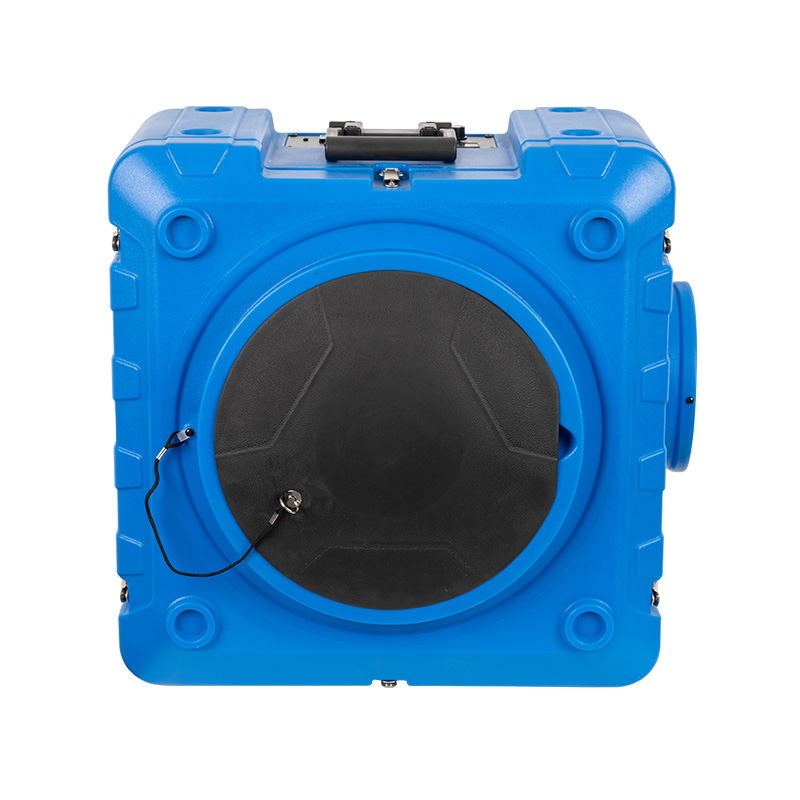
Three-Stage Filtration: The air scrubber features a three-stage filtration system that includes a pre-filter (MERV-10), carbon filter, and H13 HEPA filter. It effectively removes dust, pollen, smoke, ...
See Details
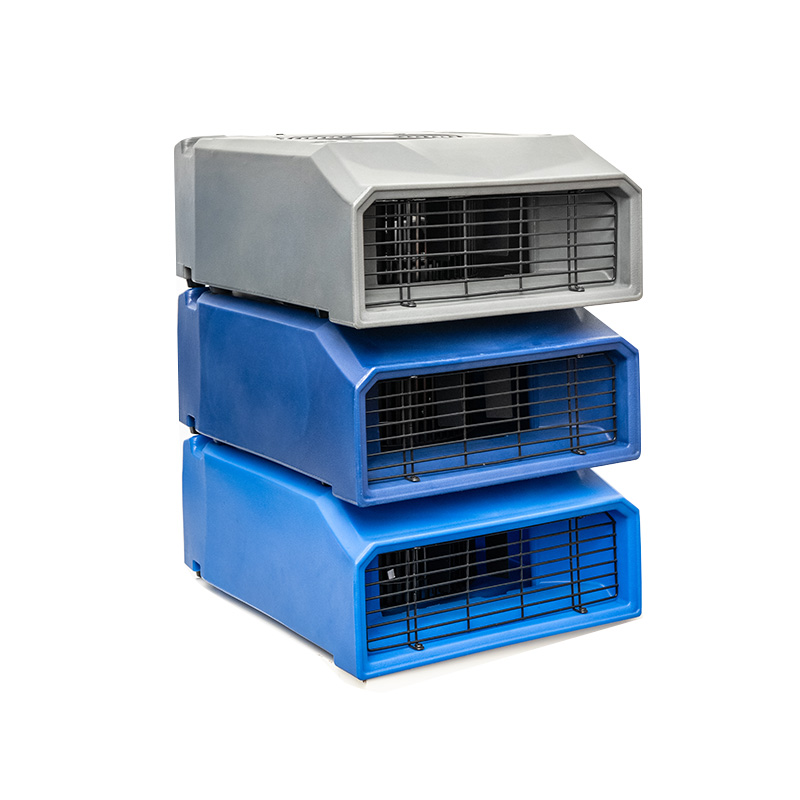
The AM-B01 High Air Volume Thin Carpet Dryers are equipped with a powerful motor that generates a high volume of airflow to ensure that your carpet dries thoroughly and quickly. This high air volume n...
See Details
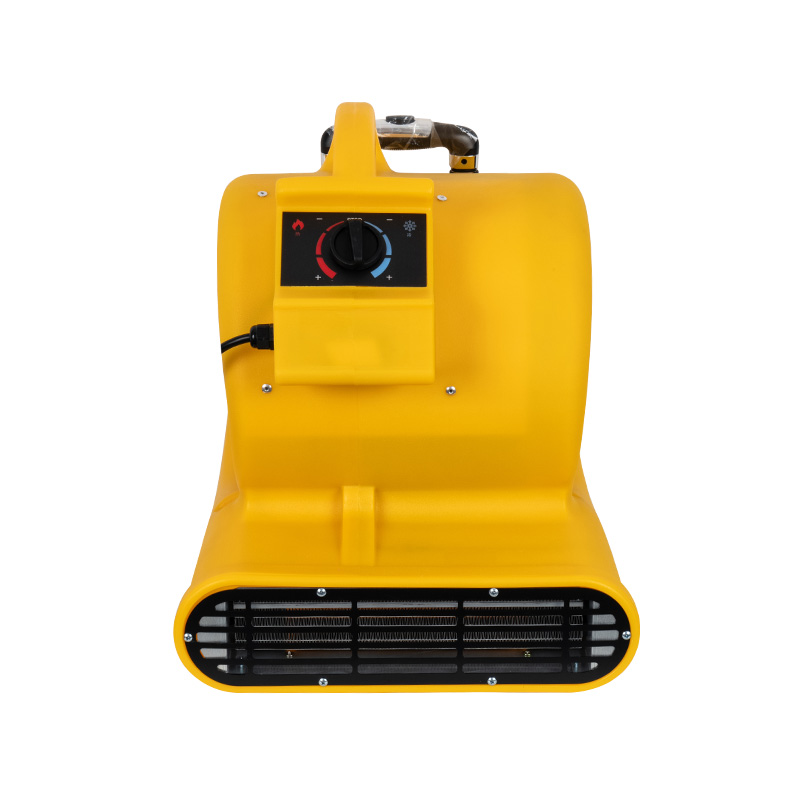
The AM-A01 Hot and Cold Carpet Drying Fans are versatile units designed to speed up the carpet drying process by utilizing hot and cold air. Combining the benefits of hot and cold air circulation, the...
See Details
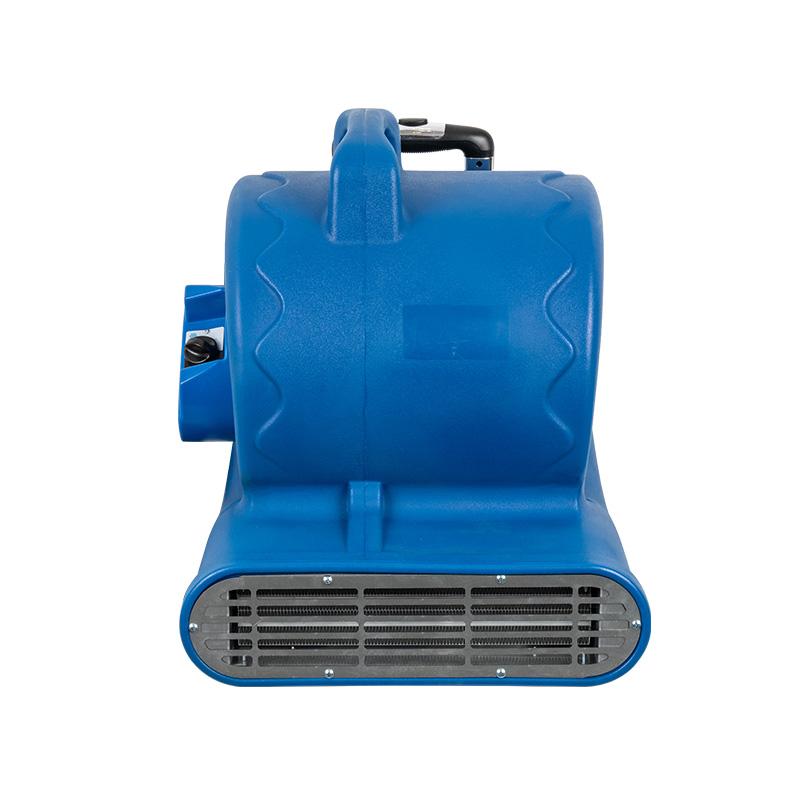
AM-A02 Multi-wing Centrifugal Wind Wheel Carpet Dryers effectively increase wind power and airflow for faster and more efficient carpet drying through the use of multi-wing centrifugal wind wheel tech...
See Details
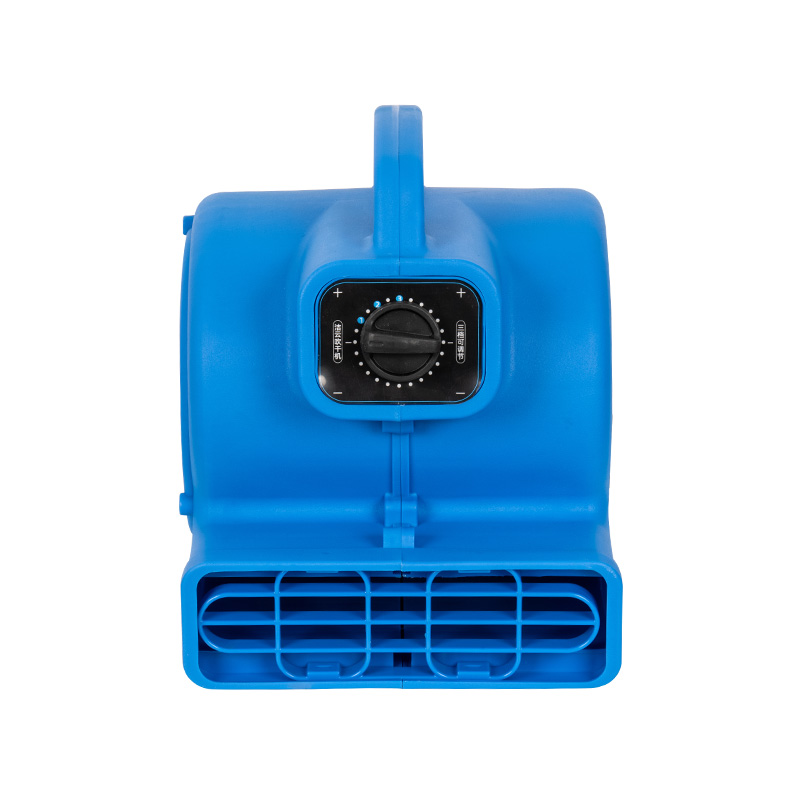
The AM-A03 Small Axial Floor Carpet Dryer is a highly efficient and versatile drying unit with a centrifugal air mover for faster surface drying. Not only is it suitable for drying carpets, floors, fu...
See Details
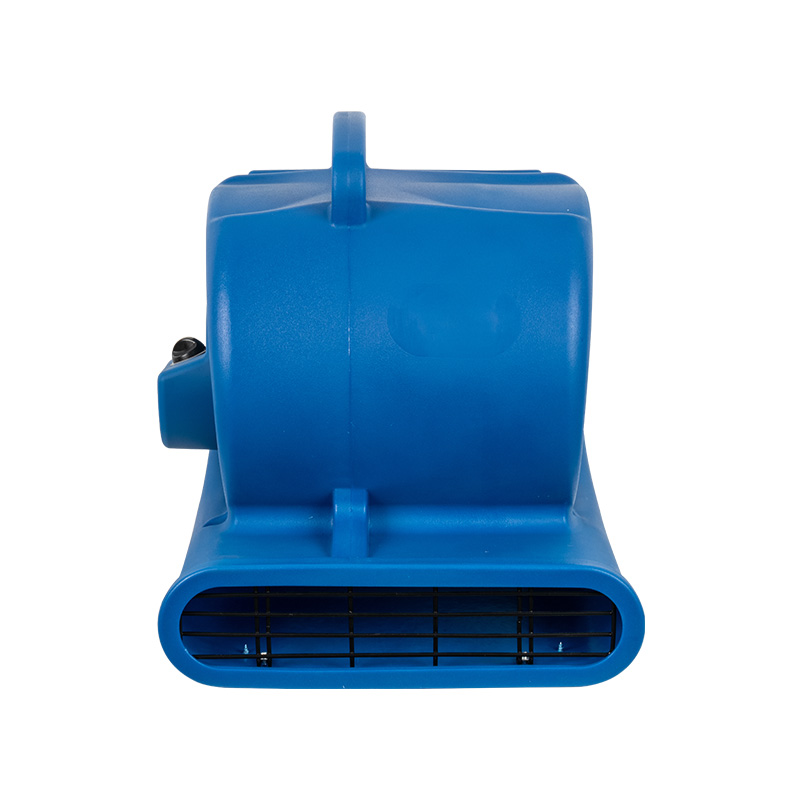
The AM-A04 Lightweight Portable Carpet Wall Floor Dryer features advanced centrifugal air movement technology for faster surface drying results. Not only is it suitable for a wide range of carpet, flo...
See DetailsStore Information
No. 88, Yuexin Road, Sanjiang Street, Shengzhou City, Shaoxing City, Zhejiang Province, China
+86-13819532379
Links
Products
Mobile Terminal


