Content
Axial blowers move large volumes of air at low pressure, making them ideal for ventilation, cooling, and wide-area drying. Jet blowers concentrate airflow into a high-velocity stream at higher pressure, making them better for targeted drying, water removal, and restoration work in confined spaces. The right choice depends entirely on whether your job demands coverage and volume or focused force and pressure.
Both are classified as air mover blowers, but their internal mechanics, performance curves, and optimal applications differ significantly. The sections below break down each type in practical detail so you can match the machine to the task.
An axial blower moves air parallel to the shaft of its rotating impeller — the airflow travels along the same axis as the fan blades spin, hence the name. The blades are angled like a propeller, pulling air in from the front and pushing it straight out the back.
This design is highly efficient at shifting large quantities of air with minimal energy input. A typical axial air mover blower operates at airflow rates of 1,000 to over 3,000 CFM (cubic feet per minute) while consuming relatively modest power — many units draw only 0.5 to 1.5 amps at 120V. The trade-off is static pressure: axial fans generate relatively low pressure, usually between 0.1 and 0.5 inches of water gauge (in. WG).
Jet blowers — sometimes called centrifugal air movers or snail blowers — use a centrifugal impeller (scroll housing design) that accelerates air outward from the center of a spinning wheel. Air enters axially at the impeller eye and exits radially at high velocity through a focused discharge nozzle.
This design produces significantly higher static pressure than axial blowers, typically ranging from 1.0 to over 3.0 in. WG, while delivering concentrated airflow that can reach velocities exceeding 100 mph at the nozzle exit. CFM ratings are lower than comparable axial units — usually 300 to 1,500 CFM — but the air is delivered with far greater force per square inch of outlet area.
The concentrated nozzle exit of a jet blower creates a coherent, high-velocity jet that maintains its velocity over longer distances than the diffuse airstream from an axial fan. This makes jet blowers especially effective for:
The table below compares the two air mover blower types across the metrics that matter most for buyers and operators.
| Specification | Axial Blower | Jet Blower |
|---|---|---|
| Airflow Volume (CFM) | 1,000–3,000+ | 300–1,500 |
| Static Pressure | 0.1–0.5 in. WG | 1.0–3.0+ in. WG |
| Airflow Pattern | Wide, diffuse coverage | Narrow, focused jet |
| Noise Level | 55–70 dB | 65–80 dB |
| Energy Efficiency | Higher (CFM per watt) | Lower (pressure trade-off) |
| Unit Weight (typical) | 10–30 lbs | 12–35 lbs |
| Stackability | Yes (low-profile units) | Limited |
| Typical Price Range | $80–$400 | $100–$500 |
| Primary Application | Ventilation, area drying, cooling | Water damage restoration, targeted drying |
Axial blowers are the right choice when your primary need is moving the maximum amount of air across the largest possible area at the lowest cost per CFM. Their wide airflow pattern and high volume output make them unmatched for:
Warehouses, garages, gyms, and event tents all benefit from axial air movers. A single industrial axial blower rated at 2,500 CFM can effectively ventilate a space of up to 2,500 square feet when positioned to create a cross-breeze. Multiple units are easily daisy-chained electrically since their low amp draw — often just 1.5–2.0 amps each — allows up to 8 units on a single 15-amp circuit.
When drying open floor areas, large carpeted rooms, or concrete slabs after flooding, axial blowers outperform jet blowers in coverage efficiency. Their low-profile versions are designed to be angled at 45 degrees so the airflow travels along the floor surface, accelerating evaporation across the entire wetted area simultaneously.
Auto body shops and industrial coating facilities use axial fans to accelerate solvent evaporation from freshly coated surfaces. The wide, gentle airstream avoids disturbing the wet coating surface — unlike jet blowers, which can ripple or streak finishes if pointed too directly.
Axial blowers are the dominant choice in greenhouse climate control and post-harvest crop drying because they deliver high airflow volumes with low turbulence, which is important for delicate plants and produce. A typical greenhouse axial fan moves 5,000–20,000 CFM at noise levels low enough to not interfere with worker comfort.
Jet blowers excel in scenarios where air must be forced into or through a space against resistance, or where concentrated velocity is more valuable than volume. Choose a jet blower for:
Professional restoration contractors rely on centrifugal jet air movers when drying wall cavities, subfloors, or under-slab areas. The higher static pressure allows the blower to force air through small injection holes drilled into drywall or flooring, pushing moisture out of areas inaccessible to axial units. Industry standard in restoration work is to place one jet air mover per 10–16 linear feet of affected wall.
Jet blowers are preferred for blowing sawdust out of machine housings, water off vehicle surfaces in automated car washes, and debris from tight mechanical enclosures. The coherent jet stream reaches further into confined areas than the dispersed output of an axial fan.
Bounce houses, inflatable advertising displays, and event structures require a sustained, pressurized airflow to maintain rigid shape. Jet blowers with static pressures of 1.5–2.5 in. WG and flow rates of 600–900 CFM are the standard specification for most commercial inflatables in the 10–20 foot range.
Manufacturing lines that require blow-off of machined parts, removal of coolant, or drying of washed components use jet-style air knife systems that operate on the same centrifugal principle as jet blowers. The velocity and directional control are critical for consistent, repeatable results on a production line.
For users who run air mover blowers for extended periods — restoration crews, event companies, or industrial facilities — operating cost and noise tolerance are critical selection factors.
Axial blowers typically generate 55–70 dB at one meter — roughly equivalent to a normal conversation at the lower end and a vacuum cleaner at the upper end. Jet blowers, due to the higher impeller speeds and more turbulent discharge, commonly measure 65–80 dB, with some commercial units exceeding 85 dB. For occupied buildings or overnight restoration jobs, this difference is operationally significant and may require ear protection compliance under OSHA guidelines when noise exceeds 85 dB for extended shifts.
Axial blowers are more energy-efficient on a CFM-per-watt basis. A quality axial air mover delivering 2,000 CFM may consume only 150–250 watts, while a jet blower producing 800 CFM might use 300–500 watts due to the energy cost of generating higher pressure. Running 10 axial units vs. 10 jet blowers for a 72-hour restoration job at $0.12/kWh could mean a difference of $10–$25 in electricity costs — modest per job but meaningful across hundreds of annual jobs for a restoration company.
Because axial units draw fewer amps, more of them can be placed on a single circuit. Most restoration-grade axial air movers draw 1.5–2.0 amps, allowing 6–8 units on a 15-amp circuit (respecting the 80% load rule, maximum 12 amps). Jet blowers drawing 3.0–4.5 amps may limit you to 2–3 units per circuit, requiring more extension cord runs and circuit planning on-site.
Use the following decision points to match the blower type to your specific use case:
Yes — and in professional water damage restoration, this is standard practice. The industry-recommended approach pairs jet blowers directed at affected wall bases and cavities with axial air movers positioned to create general room airflow and accelerate ambient evaporation simultaneously.
A typical combined setup for a 500 sq ft water-damaged room might include:
This combined deployment accelerates total drying time and reduces the risk of secondary damage from lingering moisture in structural materials — ultimately protecting both the property and the project timeline.
Regardless of type, the best air mover blowers share several key quality indicators that separate durable, professional-grade units from cheap consumer models.
Three-Stage Filtration: The air scrubber features a three-stage filtration system that includes a pre-filter (MERV-10), carbon filter, and H13 HEPA filter. It effectively removes dust, pollen, smoke, ...
See Details
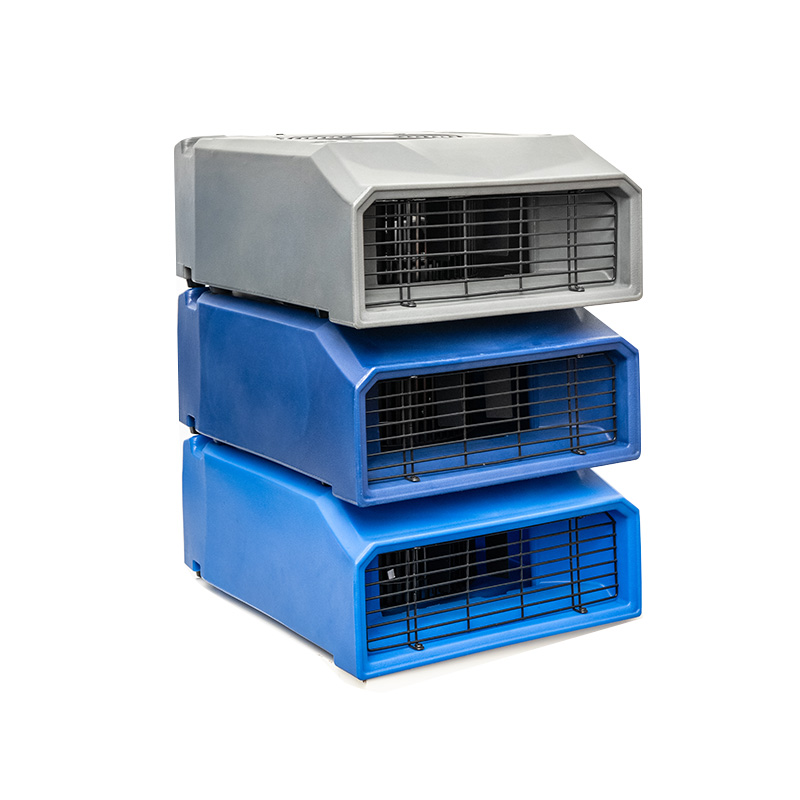
The AM-B01 High Air Volume Thin Carpet Dryers are equipped with a powerful motor that generates a high volume of airflow to ensure that your carpet dries thoroughly and quickly. This high air volume n...
See Details
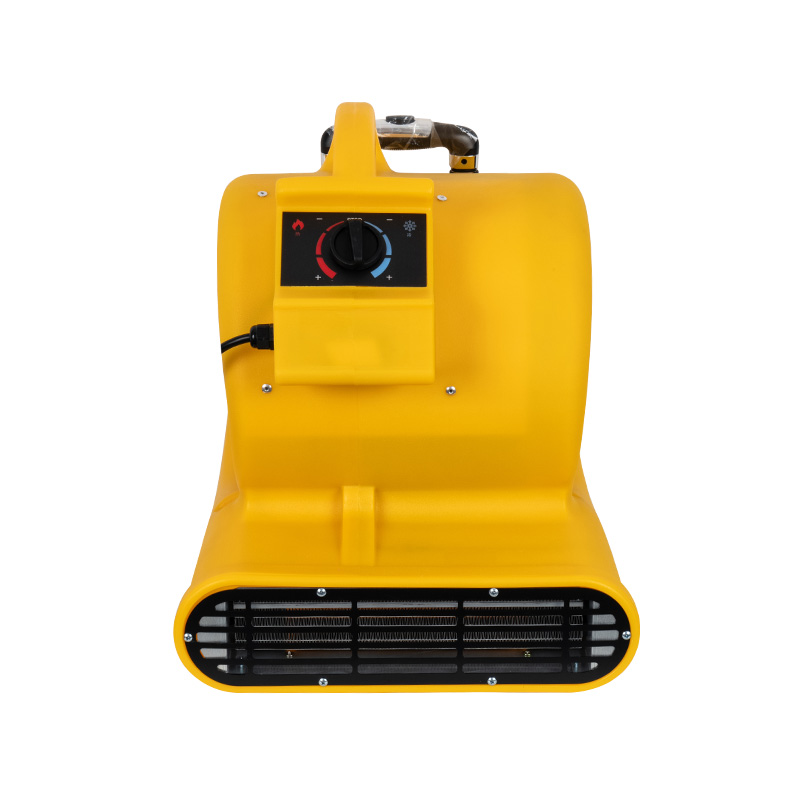
The AM-A01 Hot and Cold Carpet Drying Fans are versatile units designed to speed up the carpet drying process by utilizing hot and cold air. Combining the benefits of hot and cold air circulation, the...
See Details
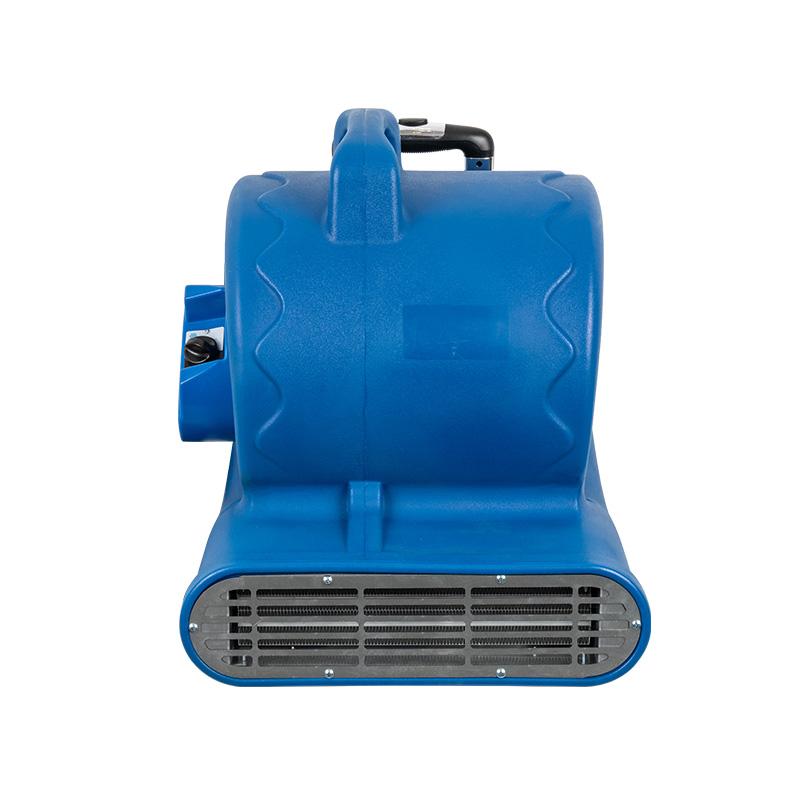
AM-A02 Multi-wing Centrifugal Wind Wheel Carpet Dryers effectively increase wind power and airflow for faster and more efficient carpet drying through the use of multi-wing centrifugal wind wheel tech...
See Details
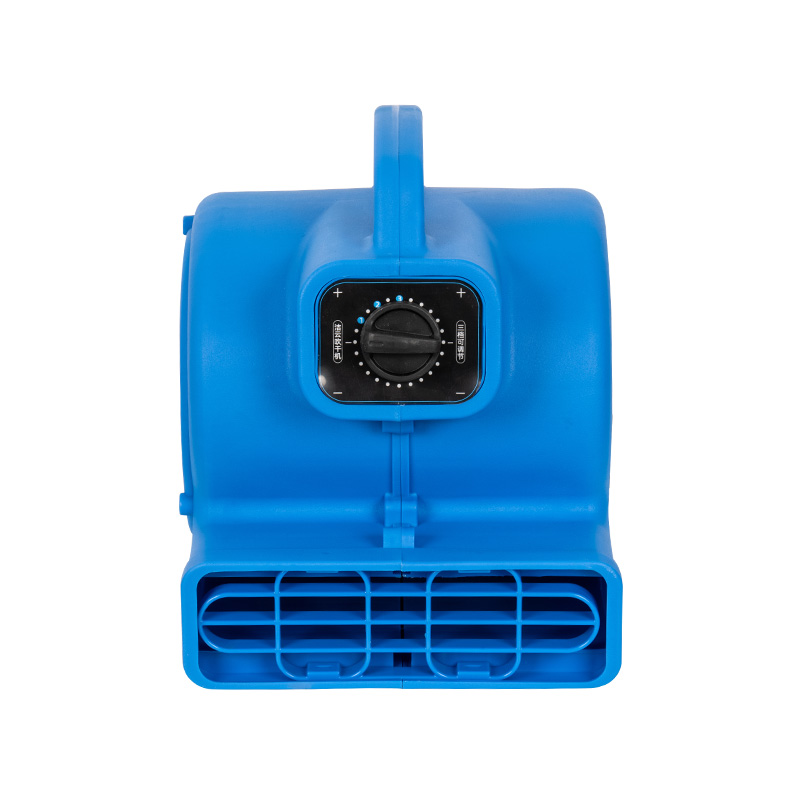
The AM-A03 Small Axial Floor Carpet Dryer is a highly efficient and versatile drying unit with a centrifugal air mover for faster surface drying. Not only is it suitable for drying carpets, floors, fu...
See Details
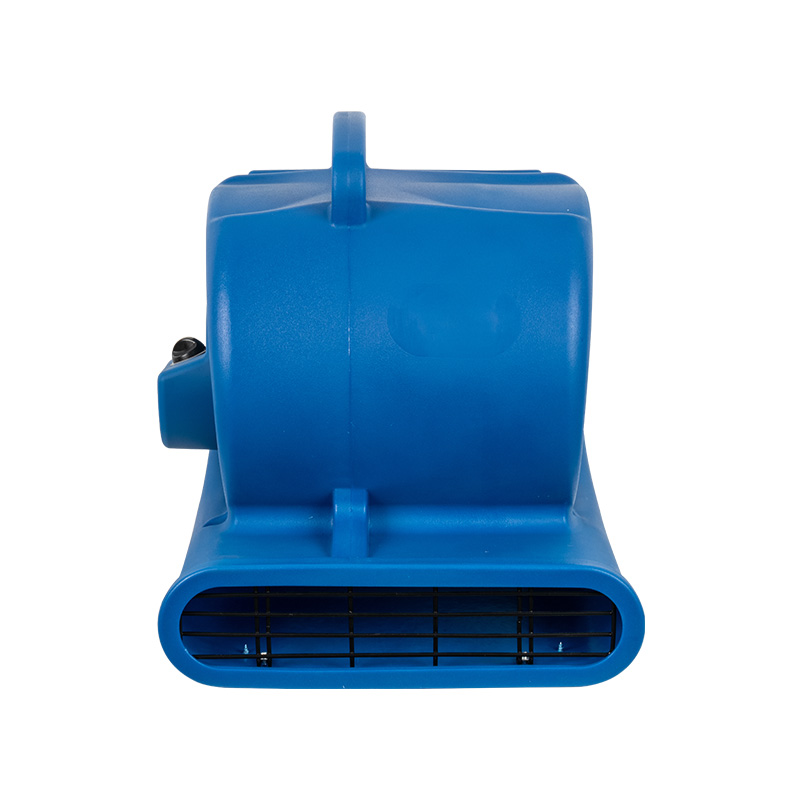
The AM-A04 Lightweight Portable Carpet Wall Floor Dryer features advanced centrifugal air movement technology for faster surface drying results. Not only is it suitable for a wide range of carpet, flo...
See DetailsStore Information
No. 88, Yuexin Road, Sanjiang Street, Shengzhou City, Shaoxing City, Zhejiang Province, China
+86-13819532379
Links
Products
Mobile Terminal


