Content
An air mover accelerates evaporation by blowing high-velocity, focused airflow across wet surfaces — pulling moisture into the air so a dehumidifier can remove it. Unlike a standard fan, which simply circulates ambient air, an air mover directs a concentrated stream at a low angle directly over floors, walls, or ceilings to dramatically speed up the drying process. In water damage restoration, an air mover can reduce drying time from weeks to just 3–5 days when used alongside a commercial dehumidifier.
Air movers are used across a wide range of professional and commercial applications: flood and water damage remediation, carpet and hardwood floor drying, freshly painted surface curing, construction site drying, and general-purpose ventilation in confined spaces. Their compact, powerful design allows them to work in areas where large industrial fans simply cannot fit or function effectively.
Air movers operate on a straightforward but highly effective principle: surface evaporation rate is directly tied to airflow velocity across a wet surface. Still or slow-moving air quickly becomes saturated with moisture near a wet surface, which slows or halts further evaporation. By constantly replacing that saturated air layer with dry, fast-moving air, an air mover keeps the evaporation rate high throughout the drying cycle.
Most air movers use a centrifugal blower — sometimes called a squirrel cage fan — rather than an axial (propeller-style) fan. A centrifugal blower draws air in through the intake and expels it at high velocity through a narrow outlet nozzle. This produces a focused, high-pressure airstream rather than a broad, gentle breeze. Airflow output typically ranges from 1,500 to 3,000 CFM (cubic feet per minute) on professional-grade units, with low-profile models often optimized around 1,600–2,000 CFM to balance power with portability.
The outlet nozzle is angled — typically between 25° and 45° — to direct airflow just above floor level in a wide, flat pattern. This keeps the drying air in contact with the wet surface for as long as possible across the maximum surface area.
Many people wonder whether a box fan or floor fan can substitute for a dedicated air mover. The short answer is no — the performance gap is significant, especially in water damage or professional drying scenarios.
| Feature | Air Mover | Standard Box/Floor Fan |
|---|---|---|
| Airflow Type | Focused, high-velocity stream | Broad, diffuse circulation |
| Typical CFM Output | 1,500–3,000 CFM | 200–600 CFM |
| Airflow Direction | Low-angle, surface-level | Horizontal or vertical |
| Fan Type | Centrifugal blower | Axial (propeller) |
| Primary Purpose | Evaporation acceleration | Personal cooling / ventilation |
| Stackable / Portable | Yes — designed for stacking | No |
| Power Draw | 0.8–7.5 amps (typically 1.5–2A) | 0.5–2.5 amps |
In practical terms, a single professional air mover can move 3 to 5 times more air than a typical box fan — while directing all of that airflow exactly where evaporation needs to happen. For water damage restoration, using standard fans instead of air movers can add days to the drying timeline and increase the risk of secondary mold growth.
A flat air mover — also called a low-profile air mover or snail air mover — is a specialized design where the unit sits only 4 to 6 inches tall, allowing it to be slid directly under furniture, beneath raised flooring, or into crawl-space-level gaps that a standard upright air mover cannot reach.
Standard air movers typically stand 10–14 inches tall and direct airflow at an angle across open floor areas. Flat air movers are built with an ultra-low-profile housing and a horizontal outlet that channels the entire airstream in a wide, flat blast at floor level — directly beneath obstacles that would otherwise block drying airflow entirely.
| Attribute | Flat Air Mover | Standard Air Mover |
|---|---|---|
| Profile Height | 4–6 inches | 10–14 inches |
| Typical CFM | 1,200–2,000 CFM | 1,500–3,000 CFM |
| Best Surface Coverage | Confined, low-clearance areas | Open floor areas, walls |
| Stackable | Usually yes | Yes |
| Under-Cabinet Use | Yes — purpose-built for this | No |
| Open Room Drying | Adequate | Superior |
| Typical Weight | 13–18 lbs | 16–30 lbs |
Most professional restoration contractors carry both types. Standard air movers handle the majority of open-floor drying work, while flat air movers are deployed specifically for confined areas where access is the primary challenge. On a typical water damage job involving kitchen flooding, you might use 3–4 standard units for the main floor area and 1–2 flat units beneath the cabinetry.
Shopping for an air mover involves several technical specs that directly affect performance. Here is what each one means in practice:
CFM measures the volume of air the unit moves per minute. Higher CFM means faster drying over a larger area. For residential water damage, units in the 1,600–2,000 CFM range are standard. Commercial-grade units push 2,500–3,000 CFM for large-scale jobs. One air mover is typically recommended per 50–70 square feet of wet floor area as a baseline.
In restoration work, multiple units run simultaneously on the same circuits. Most professional air movers draw 1.5 to 2.5 amps at peak speed, meaning you can safely run 5–8 units on a single 15-amp circuit without tripping the breaker. This is a critical consideration — overcrowding a circuit slows drying and creates electrical hazards. Always check the unit's amp draw against the available circuit capacity before deploying multiple machines.
Most air movers offer 2–3 speed settings. Lower speeds reduce noise and power draw for overnight operation or sensitive environments; higher speeds maximize drying speed when time is critical. Some units also feature a variable-speed dial for fine-tuned control in situations where airflow needs to be precisely managed, such as when drying delicate hardwood floors that could warp if dried too aggressively.
The outlet nozzle angle determines where the airstream is directed. Standard air movers typically offer a fixed angle or a rotatable outlet with positions ranging from 0° (straight horizontal) up to 45°. A 0°–25° angle is ideal for floor drying, while steeper angles can target wall cavities or elevated surfaces. Flat air movers have a fixed near-horizontal outlet optimized for under-furniture and under-cabinet work.
The IICRC S500 standard — the industry reference for water damage restoration — provides guidance on air mover placement. The widely used rule of thumb is one air mover per 50 to 70 square feet of wet material, including floor and wall cavities if affected. However, placement strategy matters as much as unit count.
While water damage restoration is the primary professional application, air movers are highly versatile tools used across a wide range of industries and scenarios:
Air movers speed up the curing of concrete, mortar, joint compound, and paint. A freshly painted room that might take 24 hours to dry under normal conditions can be ready for a second coat in 4–6 hours with an air mover running on low speed to circulate dry air without creating dust or debris on the wet surface.
After wet mopping hard floors or steam-cleaning carpets in commercial buildings, air movers dramatically reduce the time before the area can be safely reopened to foot traffic. A large hallway that would take 2–3 hours to air-dry naturally can be ready in 30–45 minutes with two air movers running.
In damp or poorly ventilated basements, air movers create active airflow that displaces humid, stagnant air and reduces conditions favorable to mold and mildew. Used seasonally or after heavy rain events, they are a cost-effective alternative to permanent mechanical ventilation upgrades.
Locker rooms, pool decks, and athletic facility floors accumulate moisture constantly. Air movers keep these surfaces dry between uses, reducing slip hazards and limiting microbial growth on wet flooring. Their low-profile, stackable design makes them easy to store when not in use.
Whether you are a restoration professional or a homeowner dealing with a burst pipe, these practical tips will maximize your drying results:
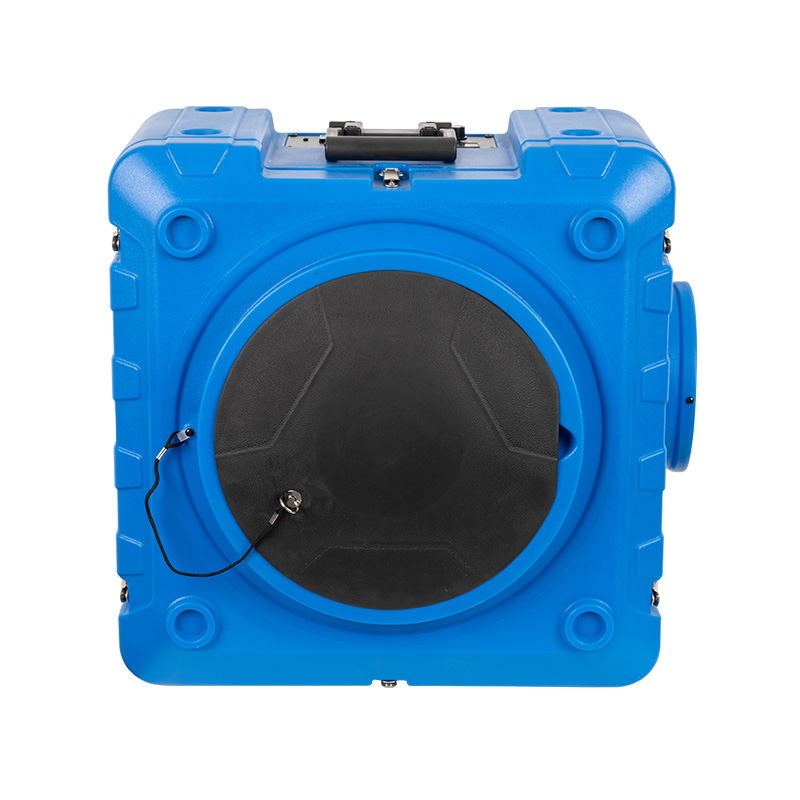
Three-Stage Filtration: The air scrubber features a three-stage filtration system that includes a pre-filter (MERV-10), carbon filter, and H13 HEPA filter. It effectively removes dust, pollen, smoke, ...
See Details
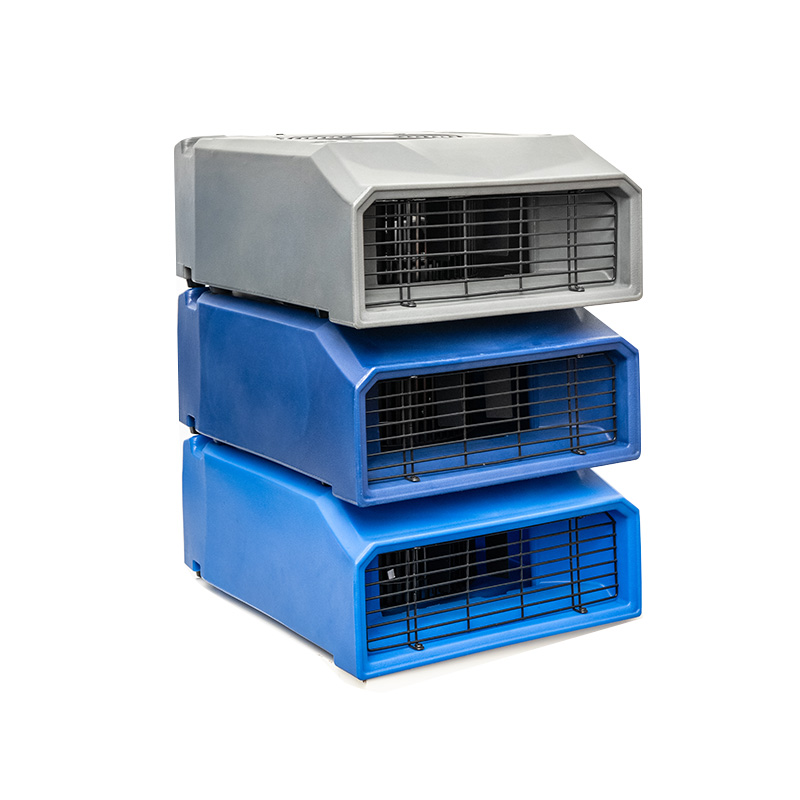
The AM-B01 High Air Volume Thin Carpet Dryers are equipped with a powerful motor that generates a high volume of airflow to ensure that your carpet dries thoroughly and quickly. This high air volume n...
See Details
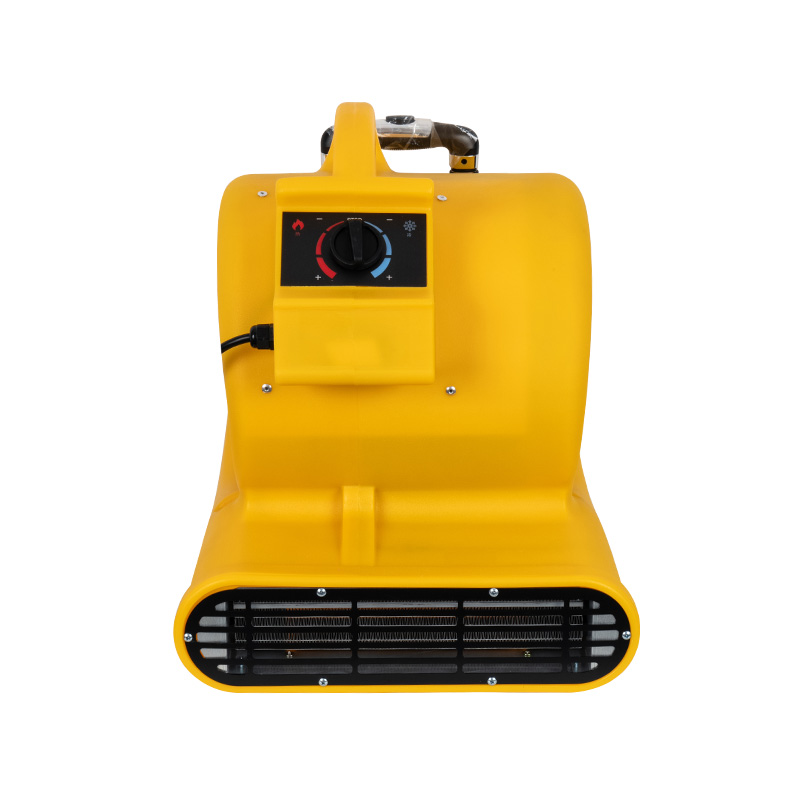
The AM-A01 Hot and Cold Carpet Drying Fans are versatile units designed to speed up the carpet drying process by utilizing hot and cold air. Combining the benefits of hot and cold air circulation, the...
See Details
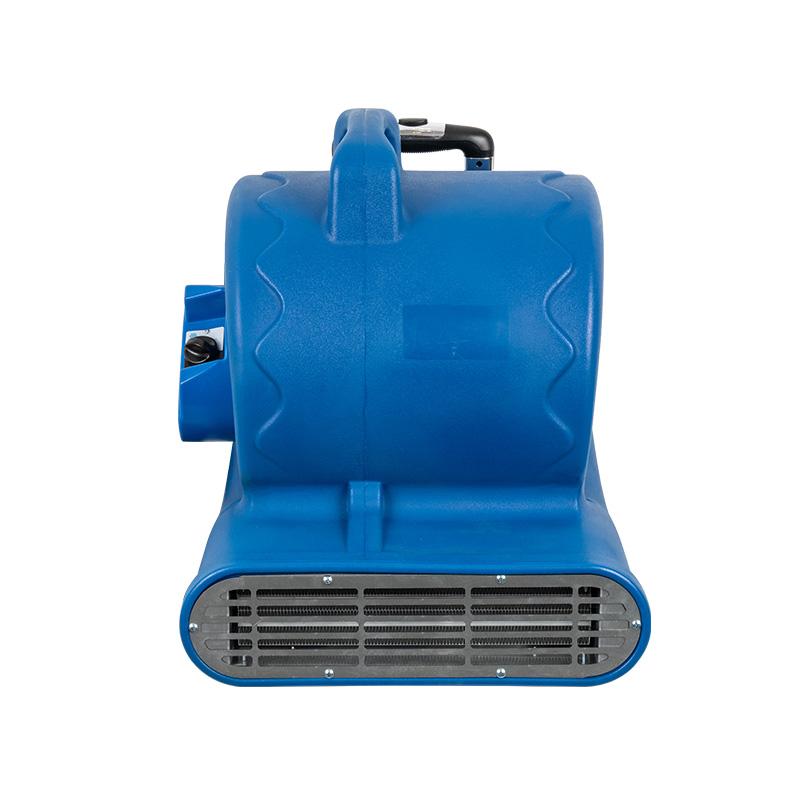
AM-A02 Multi-wing Centrifugal Wind Wheel Carpet Dryers effectively increase wind power and airflow for faster and more efficient carpet drying through the use of multi-wing centrifugal wind wheel tech...
See Details
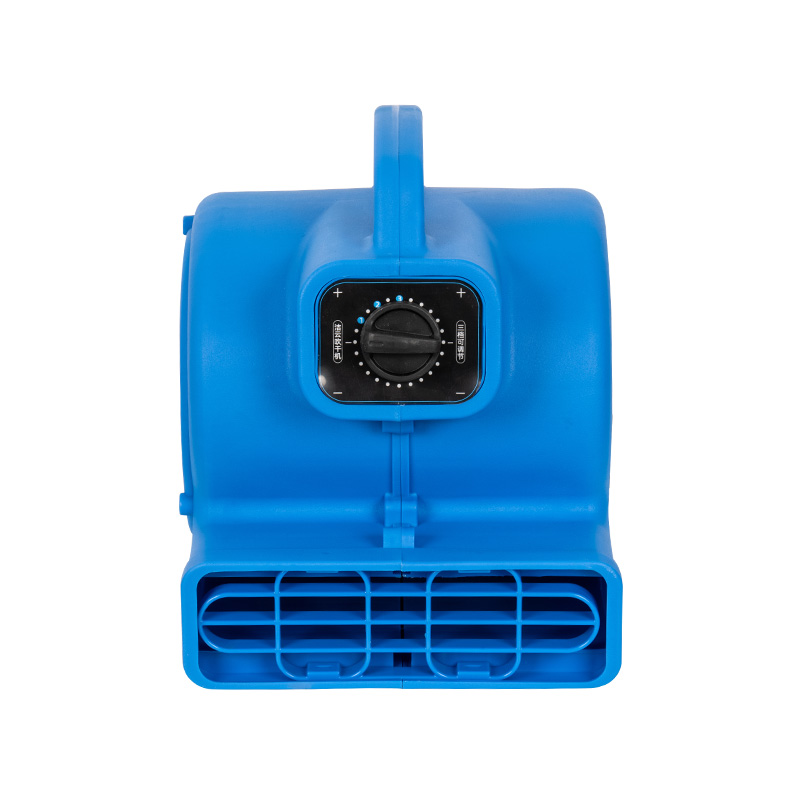
The AM-A03 Small Axial Floor Carpet Dryer is a highly efficient and versatile drying unit with a centrifugal air mover for faster surface drying. Not only is it suitable for drying carpets, floors, fu...
See Details
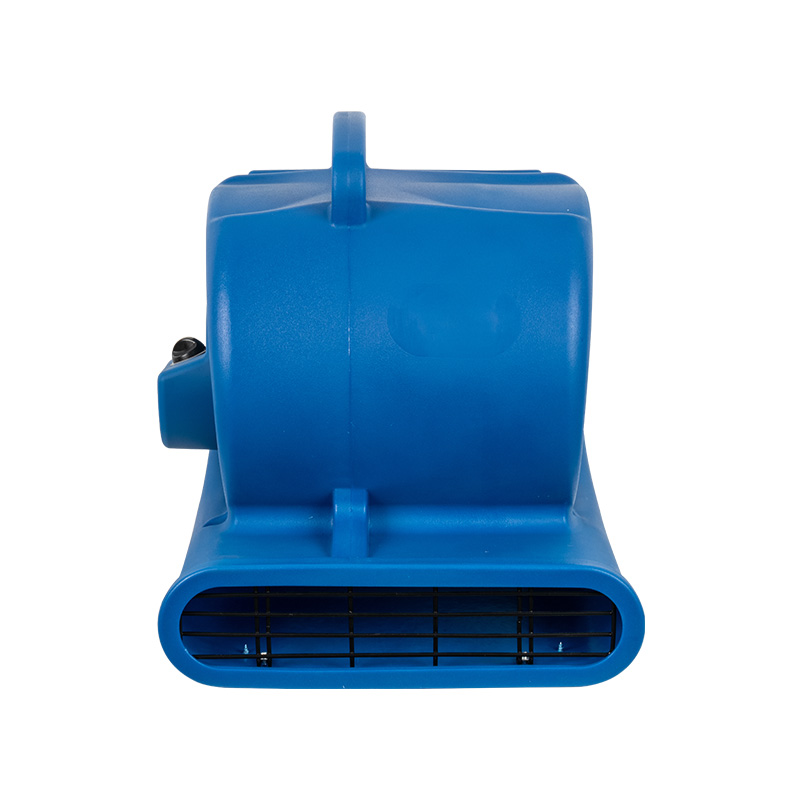
The AM-A04 Lightweight Portable Carpet Wall Floor Dryer features advanced centrifugal air movement technology for faster surface drying results. Not only is it suitable for a wide range of carpet, flo...
See DetailsStore Information
No. 88, Yuexin Road, Sanjiang Street, Shengzhou City, Shaoxing City, Zhejiang Province, China
+86-13819532379
Links
Products
Mobile Terminal


