Content
Yes, you can leave a carpet blower on all night in most situations — but only when the unit is in good working condition, placed correctly, and operating in a ventilated space. Floor blowers are specifically engineered for extended continuous use, and many professional water damage restoration jobs run them for 24 to 72 hours straight. However, leaving one running overnight without following basic safety guidelines introduces real risks: overheating, electrical hazards, and inadequate drying that leads to mold growth within 24 to 48 hours.
This guide answers the overnight question directly, then covers how long carpet blowers actually need to run, what risks to manage, how to position floor blowers for maximum efficiency, and when to stop the machine early.
Carpet blowers — also called air movers or floor blowers — are high-velocity fans designed to accelerate evaporation from wet flooring, carpets, padding, and subfloors. They are not ordinary household fans. Most professional-grade floor blowers operate at 1,600 to 3,000 CFM (cubic feet per minute), which is roughly 10 to 20 times the airflow of a standard box fan.
Unlike residential fans, carpet blowers use motors rated for continuous duty cycles — meaning they are built to run without stopping for extended periods. The key engineering distinction is thermal protection: quality floor blowers include automatic thermal overload cutoffs that shut the unit down if the motor temperature exceeds a safe threshold, then allow it to restart once cooled.
The required run time depends on the severity of the water damage, the type of flooring, and ambient temperature and humidity. Running a blower too briefly is one of the most expensive mistakes in water damage recovery — incomplete drying leads to mold, which can begin colonizing wet carpet padding within 24 to 48 hours of initial wetting.
| Situation | Flooring Type | Minimum Run Time | Typical Run Time |
|---|---|---|---|
| Small spill, surface-level | Carpet (no padding) | 4–6 hours | 6–12 hours |
| Moderate water intrusion | Carpet with padding | 24 hours | 36–48 hours |
| Flooding or major leak | Carpet with padding + subfloor | 48 hours | 48–72 hours |
| Post-cleaning (professional) | Carpet (steam cleaned) | 6 hours | 8–12 hours |
| Hardwood or LVP water damage | Hard surface flooring | 24 hours | 48–96 hours |
The IICRC (Institute of Inspection, Cleaning and Restoration Certification), the leading standards body for water damage restoration, recommends using a moisture meter to verify dryness rather than relying solely on elapsed time. Target moisture readings below 16% for wood subfloors and below 12% for hardwood flooring before stopping drying equipment.
Running a carpet blower overnight is safe when conditions are right, but several variables need to be assessed before you leave the machine unattended for 6–8 hours.
Electrical fires from fans and air-moving equipment are real but relatively rare when equipment is used correctly. According to the U.S. Consumer Product Safety Commission (CPSC), approximately 20,000 residential fires per year are attributed to fans and related electrical appliances — the majority caused by consumer-grade units, damaged cords, or improper power connections, not professional-grade floor blowers.
The most common ignition scenarios for floor blowers specifically are:
The practical rule: if the manufacturer's documentation does not explicitly state continuous-duty or 24-hour operation, do not leave the unit running unattended overnight. This specification is clearly listed on all major professional floor blowers and is absent on most consumer-grade fans.
Correct positioning doubles or triples drying efficiency compared to simply pointing a blower at the wet area. Professional restoration technicians use a specific placement method that maximizes airflow across the surface boundary layer — the thin layer of saturated air sitting directly on wet material that prevents further evaporation if left undisturbed.
| Wet Area (sq ft) | Minimum Blowers Needed | Recommended Blowers | Add Dehumidifier? |
|---|---|---|---|
| Under 50 sq ft | 1 | 1–2 | Optional |
| 50–150 sq ft | 2 | 2–3 | Recommended |
| 150–300 sq ft | 3 | 4–5 | Strongly recommended |
| Over 300 sq ft | 5+ | 1 per 50–75 sq ft | Essential |
One practical concern about overnight operation is noise. Most professional carpet blowers operate at 55 to 72 decibels (dB) — roughly equivalent to a vacuum cleaner at the lower end or a busy restaurant at the higher end. This is loud enough to disrupt sleep in adjacent rooms, especially in smaller homes or apartments.
A common question alongside the safety issue is cost. Running a floor blower overnight (8 hours) is inexpensive relative to the cost of mold remediation if the carpet is not dried properly.
Most professional-grade air movers draw between 0.7 and 1.2 kilowatts (kW) of power. At the U.S. average electricity rate of approximately $0.16 per kWh (2024 data from the U.S. Energy Information Administration):
The cost-benefit calculation strongly favors running blowers continuously until verified dryness is achieved, rather than running them in shifts to save on electricity.
Knowing when to stop is as important as knowing when to keep going. Continuing to run a floor blower after the area is dry wastes energy and can over-dry wood subfloors, causing cracking or warping. There are clear signs that drying is complete.
For most homeowners dealing with a one-time water event, renting a professional floor blower is the most practical option. Rental units are certified for continuous operation and are maintained regularly — two factors that make overnight use significantly safer than using an unfamiliar owned unit.
Before leaving any floor blower to run unattended through the night, confirm every item on this checklist:
Following this checklist consistently reduces overnight risk to a level that restoration professionals consider routine and acceptable for unattended operation in occupied buildings.
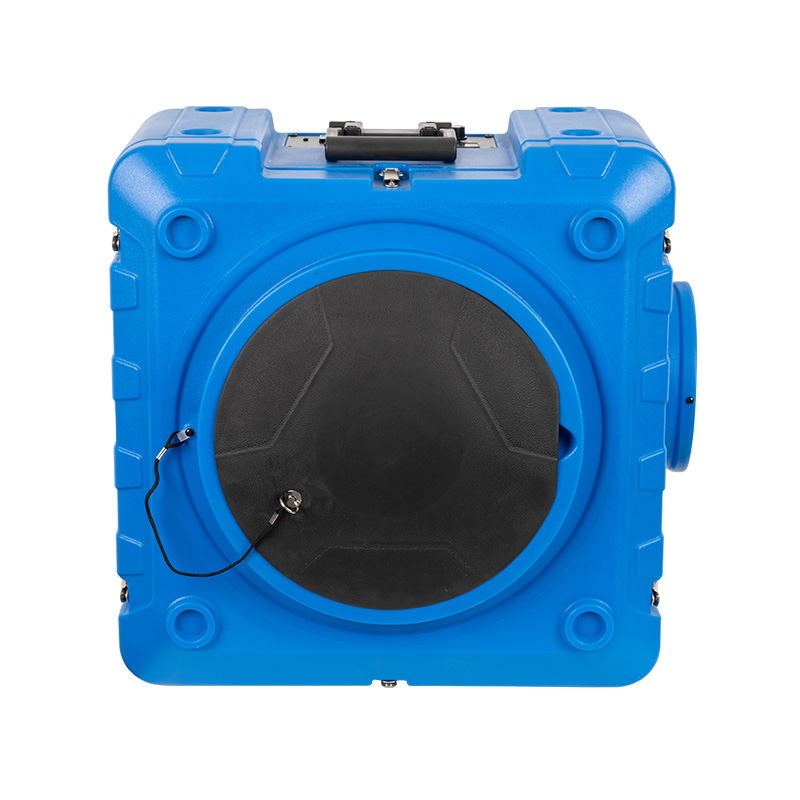
Three-Stage Filtration: The air scrubber features a three-stage filtration system that includes a pre-filter (MERV-10), carbon filter, and H13 HEPA filter. It effectively removes dust, pollen, smoke, ...
See Details
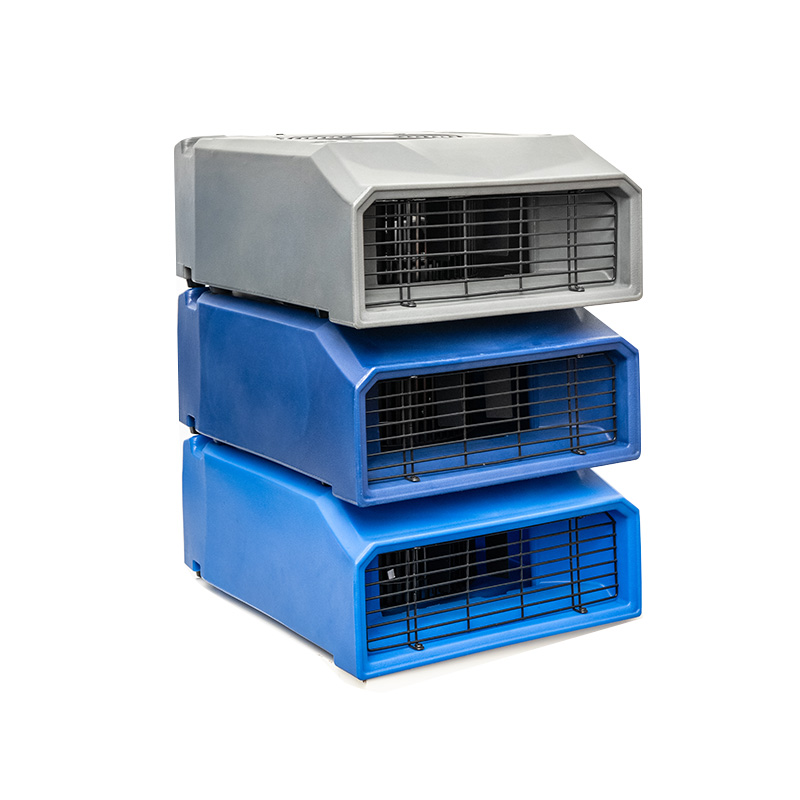
The AM-B01 High Air Volume Thin Carpet Dryers are equipped with a powerful motor that generates a high volume of airflow to ensure that your carpet dries thoroughly and quickly. This high air volume n...
See Details
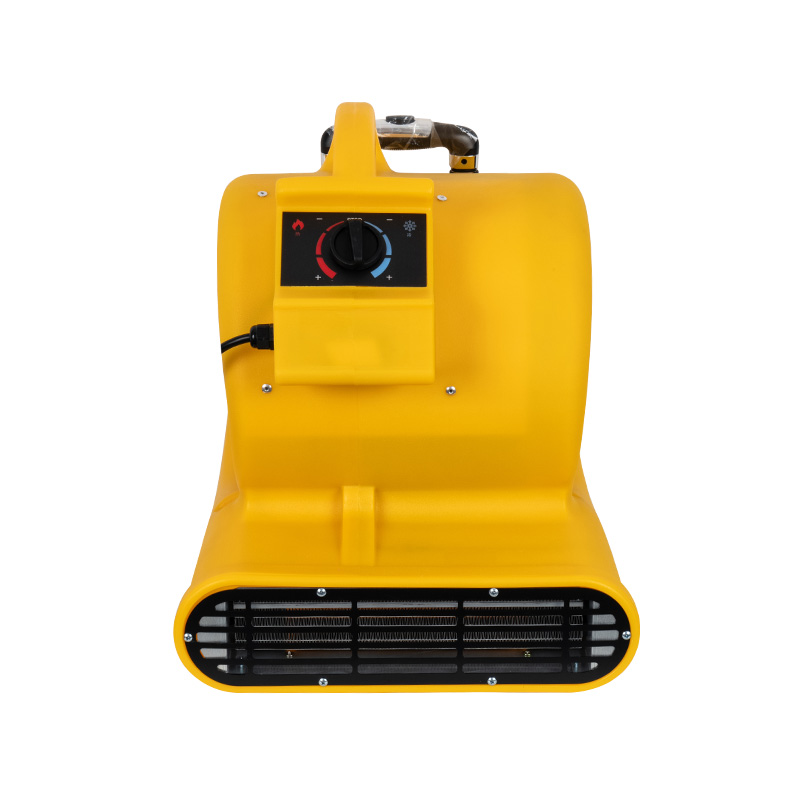
The AM-A01 Hot and Cold Carpet Drying Fans are versatile units designed to speed up the carpet drying process by utilizing hot and cold air. Combining the benefits of hot and cold air circulation, the...
See Details
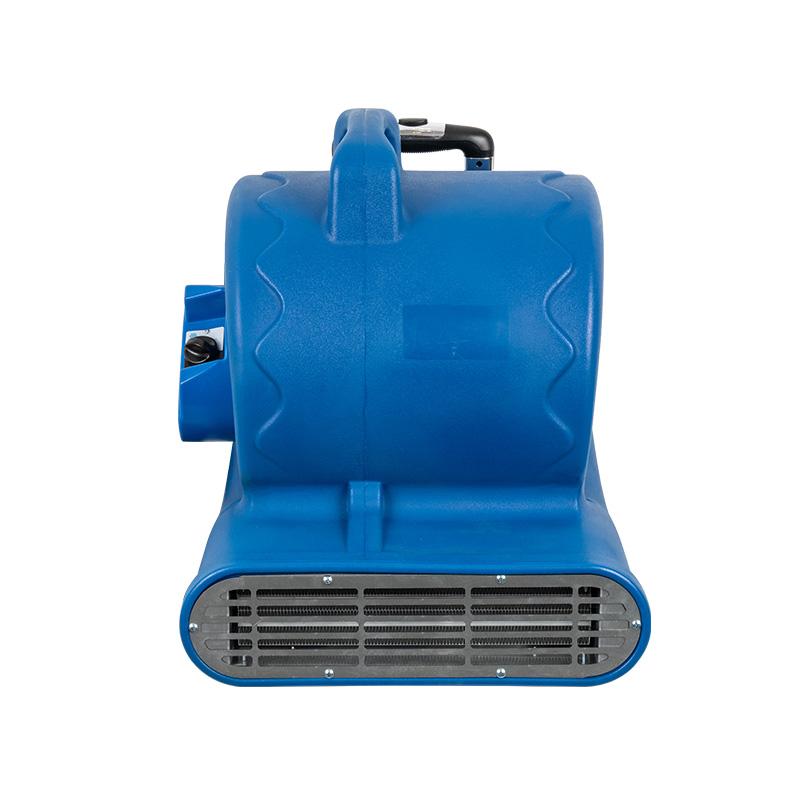
AM-A02 Multi-wing Centrifugal Wind Wheel Carpet Dryers effectively increase wind power and airflow for faster and more efficient carpet drying through the use of multi-wing centrifugal wind wheel tech...
See Details
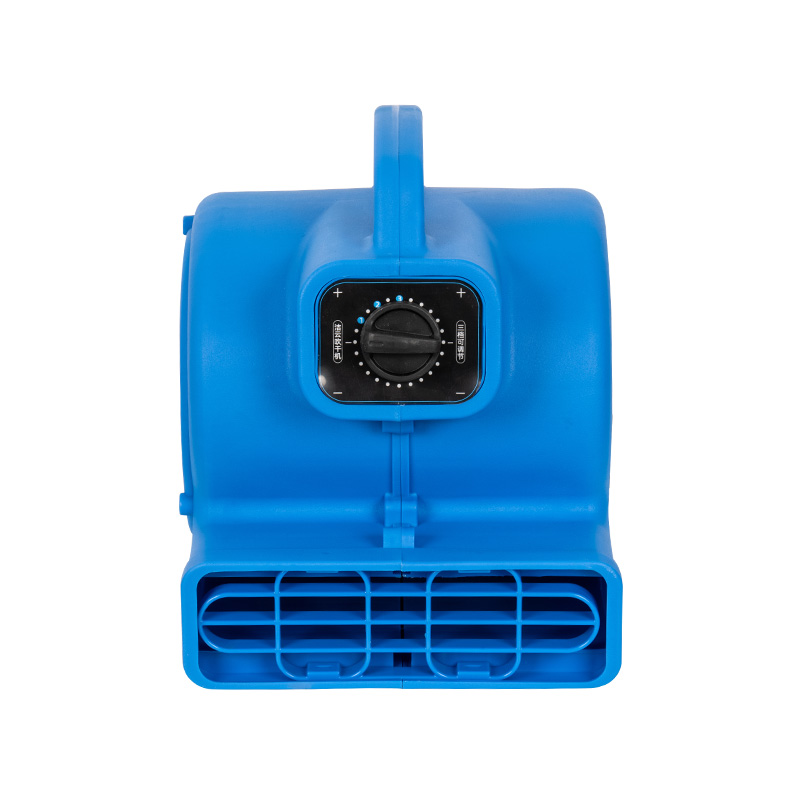
The AM-A03 Small Axial Floor Carpet Dryer is a highly efficient and versatile drying unit with a centrifugal air mover for faster surface drying. Not only is it suitable for drying carpets, floors, fu...
See Details
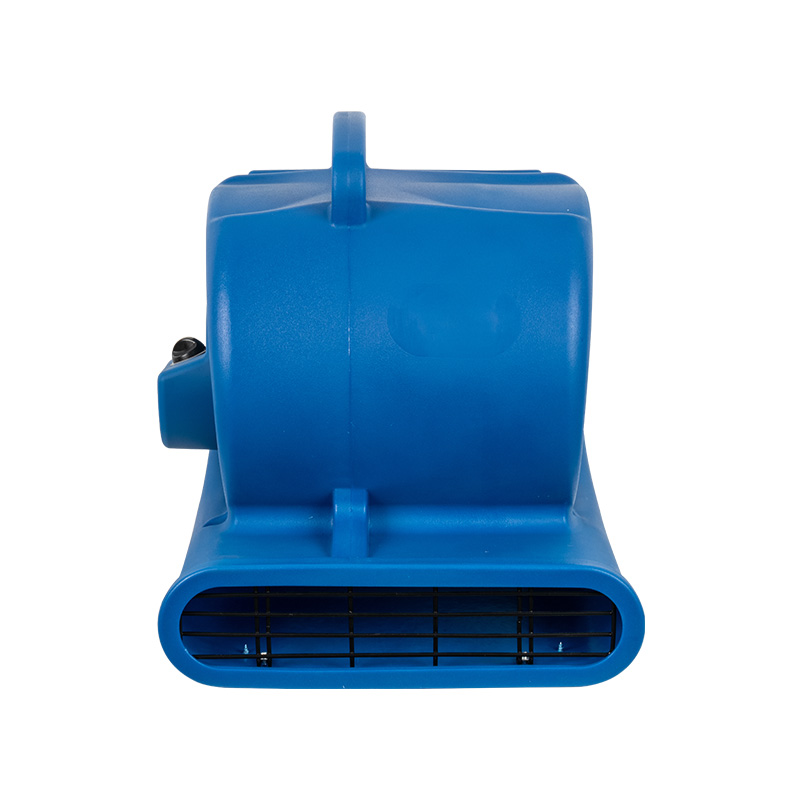
The AM-A04 Lightweight Portable Carpet Wall Floor Dryer features advanced centrifugal air movement technology for faster surface drying results. Not only is it suitable for a wide range of carpet, flo...
See DetailsStore Information
No. 88, Yuexin Road, Sanjiang Street, Shengzhou City, Shaoxing City, Zhejiang Province, China
+86-13819532379
Links
Products
Mobile Terminal


