Content
Yes — in specific conditions, a dehumidifier can meaningfully reduce snoring. When indoor humidity exceeds 60%, airway tissues swell and mucus production increases, narrowing the nasal passages and throat. This forces air through a tighter channel, causing the vibrating soft tissue sounds we recognize as snoring. By bringing relative humidity down to the optimal range of 40–50%, a dehumidifier can reduce this swelling and make breathing during sleep noticeably easier.
That said, a dehumidifier is not a cure-all. If your snoring is caused by obesity, sleep apnea, alcohol consumption, or anatomical factors, controlling humidity alone won't eliminate it. But for people whose snoring worsens in humid months or in damp bedrooms, it is one of the most practical and non-invasive interventions available.
Understanding the mechanism helps you decide whether humidity is actually your problem. Here's what happens in a high-humidity bedroom:
Research published in the journal Indoor Air found that reducing bedroom humidity from 70% to 45% decreased reported nighttime nasal congestion symptoms by over 30% in participants with dust mite sensitivities. For snorers whose root cause is congestion or allergic airway inflammation, this is a significant, measurable benefit.
The target zone is clear: maintain bedroom relative humidity between 40% and 50%. Here's what different humidity levels mean for your airways and sleep quality:
| Humidity Level | Effect on Airways | Snoring Risk |
|---|---|---|
| Below 30% | Dry membranes, throat irritation, cracked nasal passages | Moderate–High |
| 30–40% | Slightly dry, some irritation possible | Low–Moderate |
| 40–50% | Optimal — airways clear, tissue healthy | Lowest |
| 50–60% | Mild swelling, dust mite activity begins | Moderate |
| Above 60% | Significant congestion, mold risk, heavy allergen load | High |
Note that going too low is also counterproductive. Air below 30% relative humidity dries out nasal membranes, causes throat irritation, and can itself trigger snoring through a different mechanism — dry tissue friction. Use a hygrometer (humidity gauge) to monitor your bedroom; most cost under $15 and are accurate to ±3%.
A standing dehumidifier (also called a full-size or tower dehumidifier) is the most effective option for managing bedroom humidity consistently. Here's how it compares to smaller alternatives:
For most households dealing with snoring linked to chronic bedroom humidity, a standing dehumidifier with 30–50 pint capacity and an automatic humidistat offers the best performance-to-maintenance ratio.
Not all standing dehumidifiers are equally suited to bedroom use. Prioritize these features when choosing one specifically to help with snoring:
Look for units that let you set a target humidity in 5% increments, ideally between 35–70%. Avoid models with only "Low / Medium / High" settings — they can't maintain a consistent target and frequently over- or under-dehumidify.
Most compressor-based standing dehumidifiers run at 45–55 dB — comparable to a quiet conversation. Look for models with a "Sleep Mode" or low-fan setting that reduces output noise to under 45 dB. Alternatively, place the unit outside the bedroom door with the door slightly ajar, which can reduce perceived noise by 10–15 dB while still affecting the room's humidity.
In high-humidity environments, a 50-pint dehumidifier can fill its water tank in under 12 hours. A unit with a gravity drain hose port means you connect a standard garden hose to a floor drain or bucket and never need to manually empty the tank. This is critical for uninterrupted overnight operation.
Look for Energy Star certified models. A certified 50-pint dehumidifier uses roughly 700–800 watts during operation — running 8 hours per night adds approximately $0.56–$0.65/day to your electricity bill at average US rates. Non-certified units can consume 30–40% more power for the same output.
This feature ensures the dehumidifier resumes operation at the same settings after a power outage — important for maintaining consistent bedroom conditions without manual intervention.
Below is a comparison of the most recommended standing dehumidifier categories for people seeking snoring relief, based on capacity, noise, and features:
| Type | Capacity | Noise Level | Best Room Size | Continuous Drain |
|---|---|---|---|---|
| 30-pint compressor | 30 pts/day | 44–48 dB | Up to 1,500 sq ft | Most models |
| 50-pint compressor | 50 pts/day | 48–54 dB | Up to 3,000 sq ft | Standard |
| 70-pint whole-home | 70 pts/day | 52–58 dB | Up to 4,500 sq ft | Standard |
| Desiccant tower | 10–20 pts/day | 35–42 dB | Up to 800 sq ft | Rare |
For a standard bedroom (150–300 sq ft) in a moderately humid climate, a 30-pint compressor dehumidifier is the sweet spot — powerful enough to maintain 45% humidity consistently, quieter than larger units, and energy-efficient for overnight use.
Placement significantly affects both the unit's effectiveness and your ability to sleep through its operation. Follow these placement principles:
This is one of the most common points of confusion. The answer depends entirely on your current humidity levels and snoring cause:
Buy a hygrometer first (under $15 at most hardware stores) and measure your bedroom humidity at 2 AM and 6 AM for one week. This data tells you exactly which device you need — and prevents buying the wrong one.
A dehumidifier addresses the environmental component of snoring. Pair it with these measures for the most complete approach:
If snoring persists despite optimized humidity, side-sleeping, and allergen reduction, consult a sleep specialist to rule out obstructive sleep apnea (OSA) — a condition affecting an estimated 1 billion people globally that requires dedicated medical treatment beyond environmental adjustments.
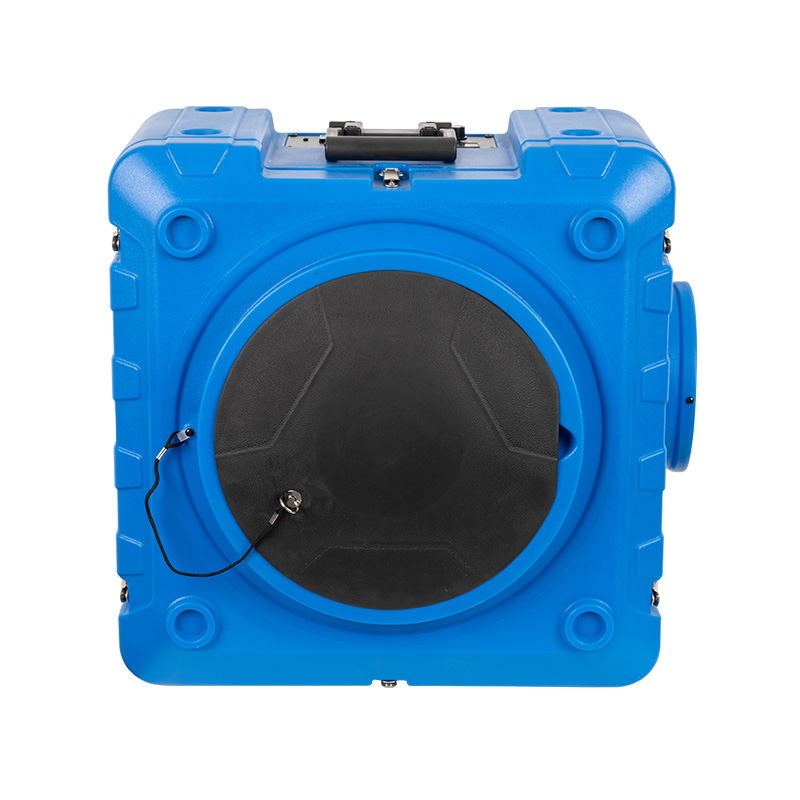
Three-Stage Filtration: The air scrubber features a three-stage filtration system that includes a pre-filter (MERV-10), carbon filter, and H13 HEPA filter. It effectively removes dust, pollen, smoke, ...
See Details
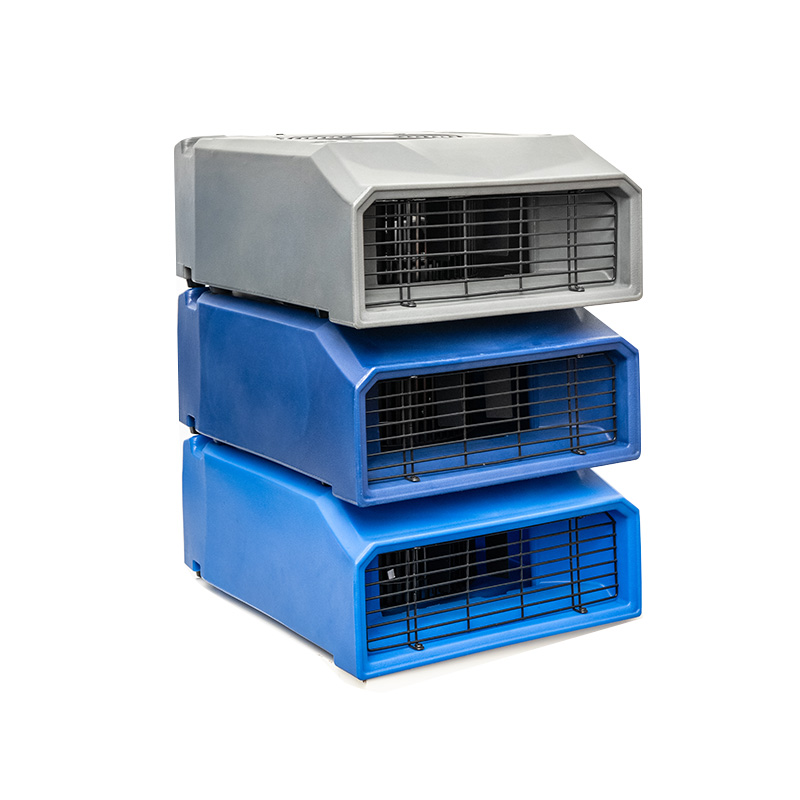
The AM-B01 High Air Volume Thin Carpet Dryers are equipped with a powerful motor that generates a high volume of airflow to ensure that your carpet dries thoroughly and quickly. This high air volume n...
See Details
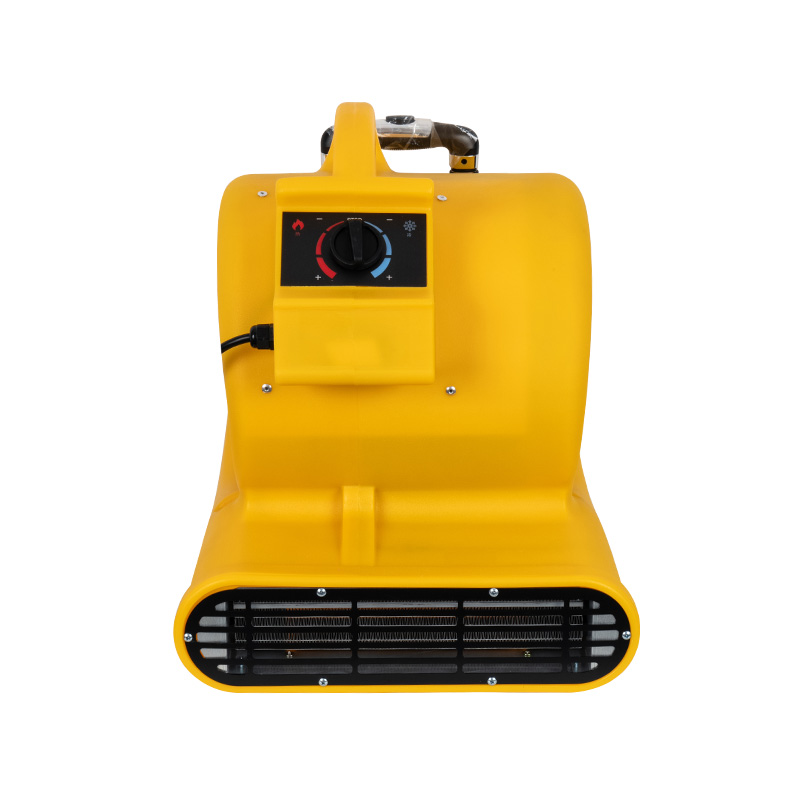
The AM-A01 Hot and Cold Carpet Drying Fans are versatile units designed to speed up the carpet drying process by utilizing hot and cold air. Combining the benefits of hot and cold air circulation, the...
See Details
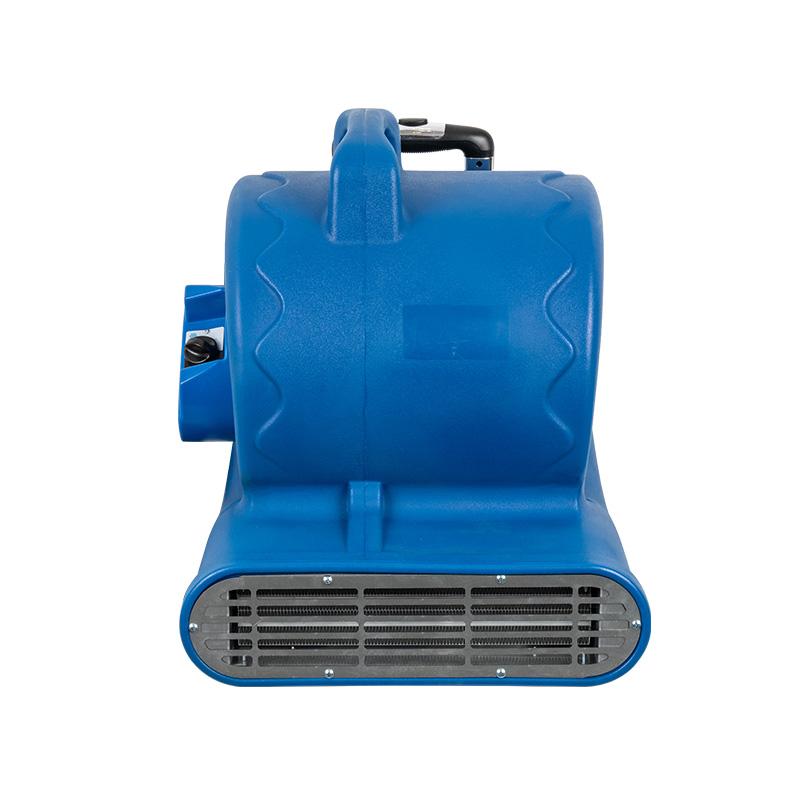
AM-A02 Multi-wing Centrifugal Wind Wheel Carpet Dryers effectively increase wind power and airflow for faster and more efficient carpet drying through the use of multi-wing centrifugal wind wheel tech...
See Details
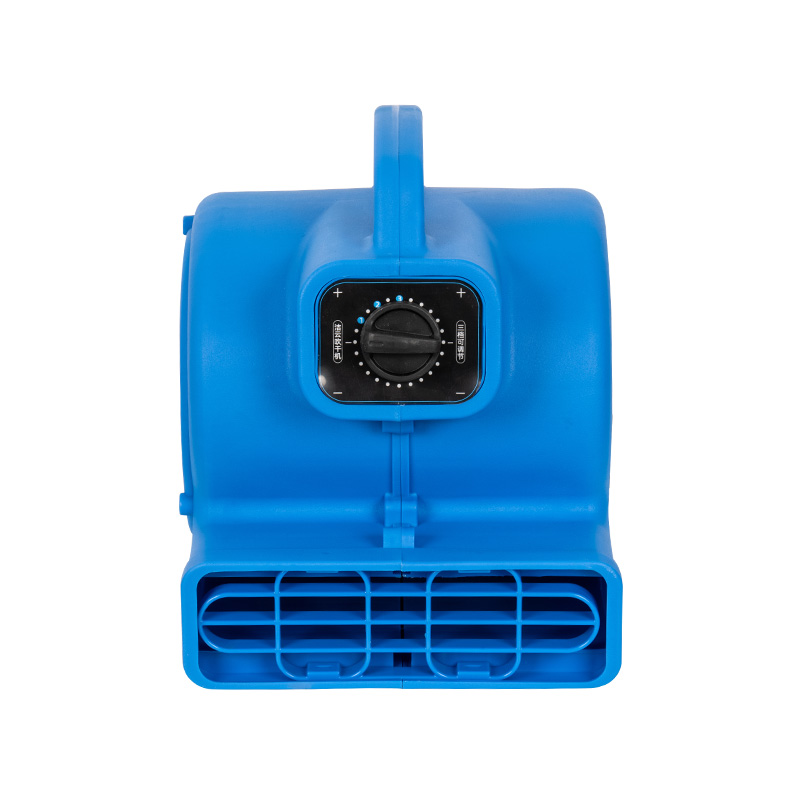
The AM-A03 Small Axial Floor Carpet Dryer is a highly efficient and versatile drying unit with a centrifugal air mover for faster surface drying. Not only is it suitable for drying carpets, floors, fu...
See Details
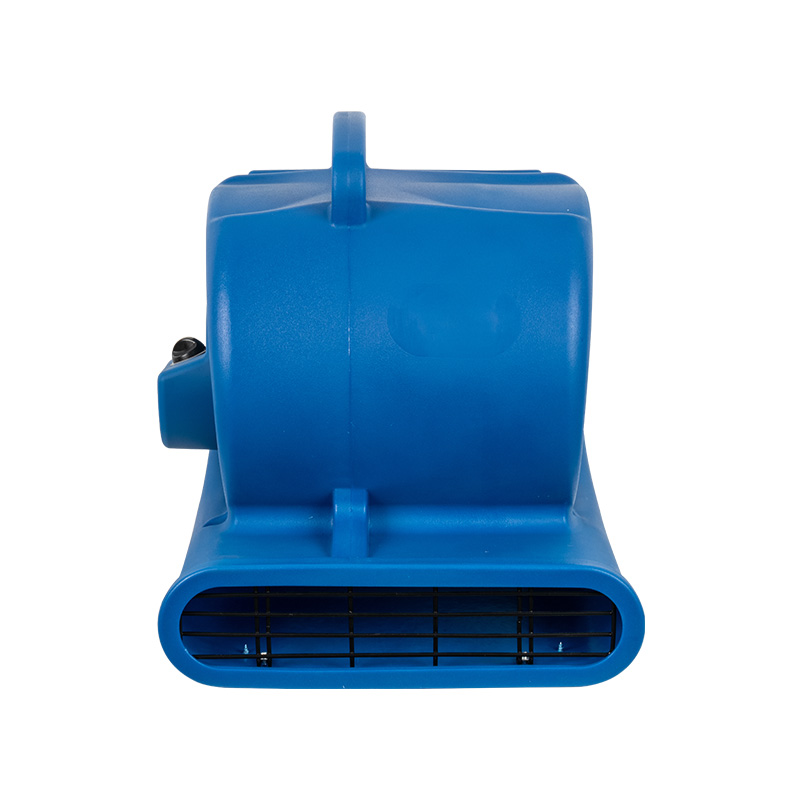
The AM-A04 Lightweight Portable Carpet Wall Floor Dryer features advanced centrifugal air movement technology for faster surface drying results. Not only is it suitable for a wide range of carpet, flo...
See DetailsStore Information
No. 88, Yuexin Road, Sanjiang Street, Shengzhou City, Shaoxing City, Zhejiang Province, China
+86-13819532379
Links
Products
Mobile Terminal


