Content
The fundamental difference is this: axial fans move air parallel to the fan's rotating shaft, while centrifugal fans redirect air at a 90-degree angle, expelling it outward from the impeller. This single mechanical distinction drives nearly every performance, efficiency, and application difference between the two types.
In practical terms, axial blowers excel at moving large volumes of air at low pressure—think ventilation, cooling, and drying. Centrifugal fans, often called air mover blowers in industrial and restoration contexts, generate significantly higher static pressure, making them the right choice when air must overcome resistance through ducts, filters, or confined spaces.
An axial fan works exactly like an aircraft propeller or a household ceiling fan. Blades are angled and mounted on a central hub. As the hub rotates, the blade pitch creates a pressure differential that pulls air in from the front and pushes it straight out the back—along the same axis as the shaft. Air travels in a linear, parallel path with minimal directional change.
Axial blowers are highly efficient at this task when system resistance is low. A typical axial fan operates at static pressures of 0.5 to 3 inches of water gauge (in. WG), with airflow volumes ranging from a few hundred to over 100,000 CFM in large industrial units.
A centrifugal fan uses an impeller—a set of curved blades mounted inside a scroll-shaped housing. Air enters axially through the inlet eye at the center, is accelerated by the spinning impeller, and is flung outward by centrifugal force into the scroll casing, which converts velocity into pressure. The air then exits perpendicular to its entry direction.
This design allows centrifugal fans to generate static pressures from 1 in. WG up to 30+ in. WG depending on blade design and motor size—far exceeding what axial blowers can produce. This is why centrifugal-type air mover blowers dominate water damage restoration, dust collection, and HVAC ducted systems.
| Feature | Axial Fan / Axial Blower | Centrifugal Fan / Air Mover Blower |
|---|---|---|
| Airflow Direction | Parallel to shaft (axial) | Perpendicular to shaft (radial) |
| Static Pressure Range | 0.5–3 in. WG | 1–30+ in. WG |
| Airflow Volume (CFM) | High (up to 100,000+ CFM) | Moderate to high (varies by size) |
| Efficiency at Low Pressure | High | Moderate |
| Efficiency at High Pressure | Poor | High |
| Noise Level | Lower (at equivalent CFM) | Moderate to higher |
| Size & Footprint | Compact (inline profile) | Larger (scroll housing needed) |
| Typical Applications | Ventilation, cooling, drying | Ducted HVAC, restoration, dust collection |
| Resistance to System Backpressure | Low tolerance | High tolerance |
Axial blowers use propeller, tubeaxial, or vaneaxial configurations. Vaneaxial fans add guide vanes around the blade hub to straighten airflow and recover velocity pressure, boosting efficiency by 10 to 15 percent compared to basic propeller designs. Blade pitch angle is a critical variable—steeper pitch increases both pressure and power draw simultaneously.
Centrifugal fans come in three primary blade geometries, each with distinct trade-offs:
Axial blowers are the right call when your priority is moving a large volume of air through open or low-resistance spaces. Their inline profile and lower cost per CFM make them particularly attractive for high-volume, low-pressure applications. Choose an axial blower when:
Centrifugal fans outperform axial blowers in any application where air must push against resistance. If your system includes ductwork, filters, bends, grilles, or confined spaces, a centrifugal design is almost always the correct choice. Select a centrifugal fan or air mover blower when:
The term "air mover blower" most commonly refers to compact, portable centrifugal fans used in water damage restoration, construction drying, and surface preparation. They are a purpose-built subset of centrifugal fan technology optimized for field use. Key characteristics include:
Air mover blowers are distinct from general-purpose centrifugal fans in that they prioritize portability and surface-directed airflow over static pressure maximization. They are not designed to replace ducted HVAC centrifugal fans but serve a complementary, highly specialized role.
Neither fan type is categorically more efficient—efficiency depends on matching the fan type to the correct operating point on its performance curve. Running the wrong fan type for an application is where efficiency losses occur:
When properly matched to the application, backward-curved centrifugal fans achieve peak efficiencies of 80 to 85 percent, while high-performance axial fans with guide vanes reach 75 to 82 percent. Both types benefit substantially from variable frequency drives (VFDs), which reduce energy consumption by up to 50 percent when airflow demand varies throughout the day.
Axial blowers tend to produce a broad, whooshing sound at lower decibel levels for a given CFM output. Centrifugal fans generate a more tonal, higher-frequency noise due to blade pass frequency and scroll housing resonance. In noise-sensitive environments such as offices or hospitals, axial fans are often preferred for open-area ventilation, while centrifugal units are isolated within mechanical rooms.
Axial fans have simpler construction with fewer components—typically just the motor, hub, and blades—making blade inspection and replacement straightforward. Centrifugal fans require periodic inspection of the impeller for debris buildup or imbalance, which can occur quickly in dusty environments. Bearing replacement intervals are similar for both types when properly sized, typically every 20,000 to 40,000 operating hours for quality units.
Axial blowers install directly inline with circular ductwork and require minimal structural support. Centrifugal fans, with their heavier scroll housings, typically require dedicated mounting platforms or hangers and more complex inlet/outlet duct transitions. However, centrifugal fans offer greater flexibility in outlet orientation—the scroll can be manufactured or rotated to discharge air in virtually any direction.
Use this simplified decision process to identify the correct fan type for your application:
When in doubt, consult the manufacturer's fan curve for the specific unit you're considering. The fan curve plots CFM output against static pressure and immediately reveals whether a given unit will perform adequately at your system's operating point—the most reliable way to avoid an expensive mismatch.
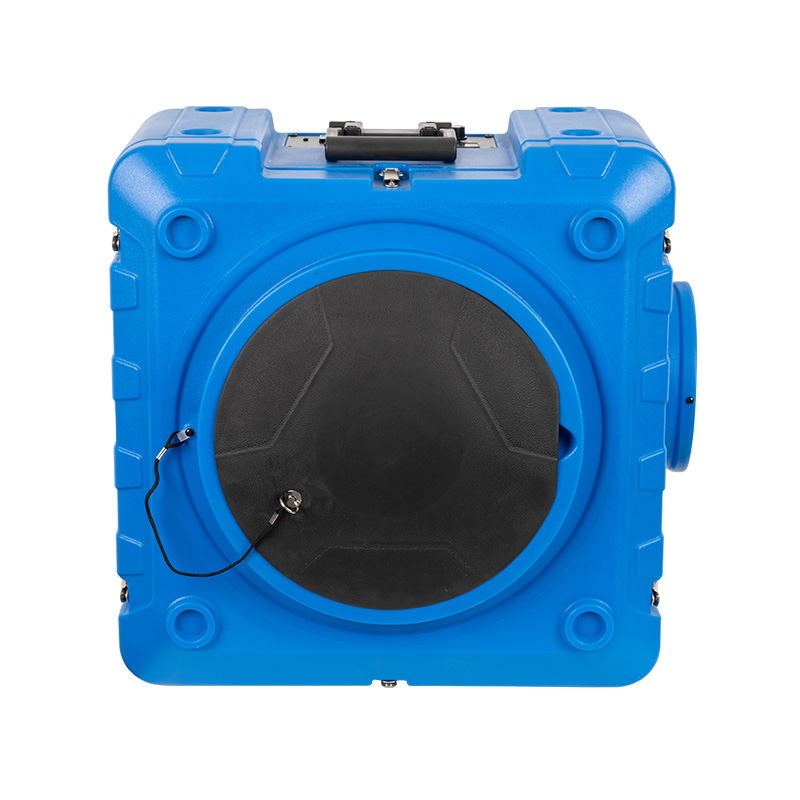
Three-Stage Filtration: The air scrubber features a three-stage filtration system that includes a pre-filter (MERV-10), carbon filter, and H13 HEPA filter. It effectively removes dust, pollen, smoke, ...
See Details
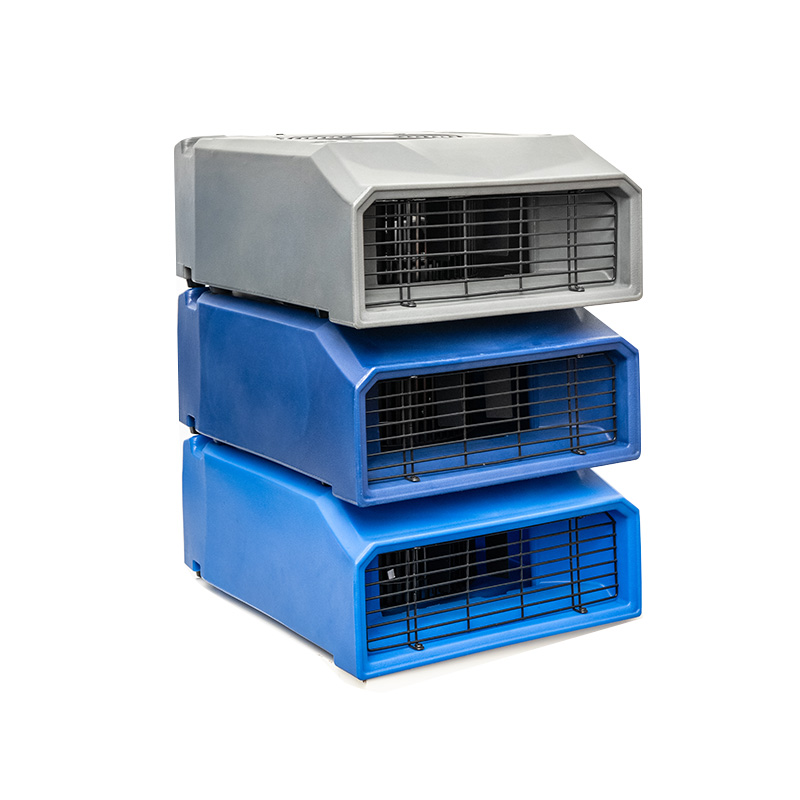
The AM-B01 High Air Volume Thin Carpet Dryers are equipped with a powerful motor that generates a high volume of airflow to ensure that your carpet dries thoroughly and quickly. This high air volume n...
See Details
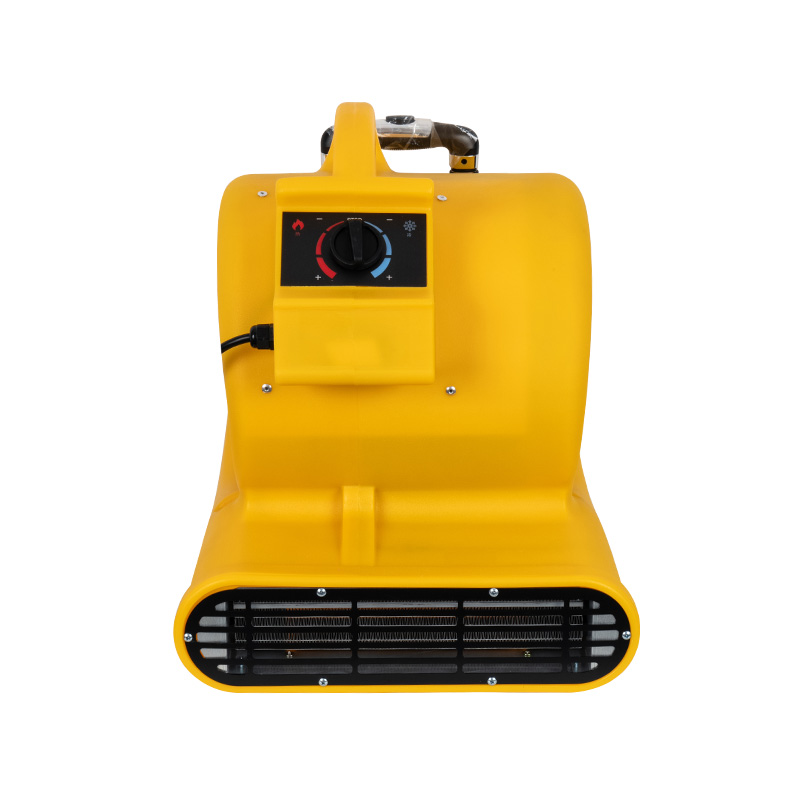
The AM-A01 Hot and Cold Carpet Drying Fans are versatile units designed to speed up the carpet drying process by utilizing hot and cold air. Combining the benefits of hot and cold air circulation, the...
See Details
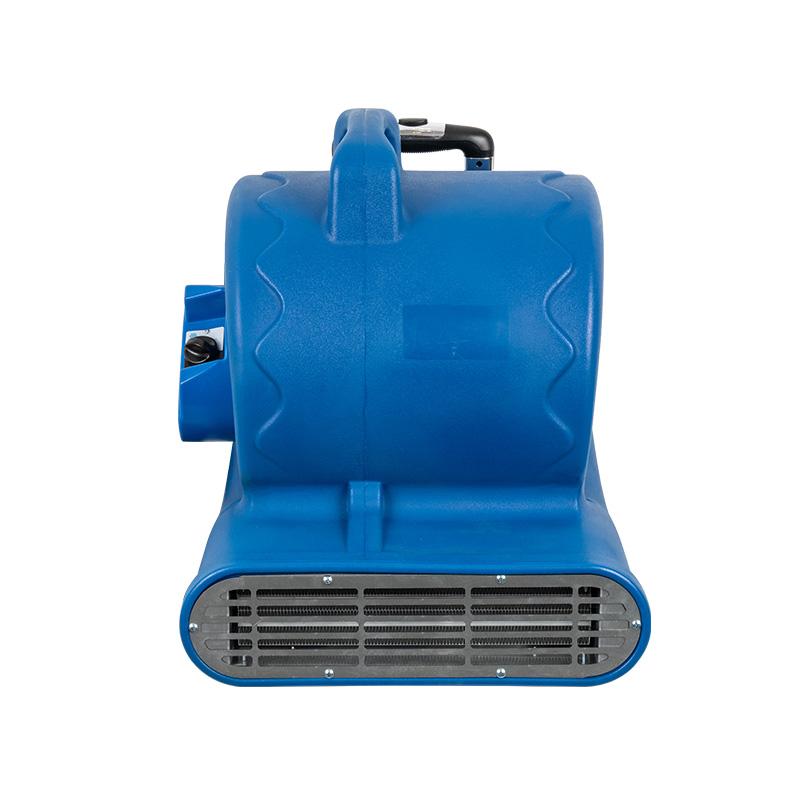
AM-A02 Multi-wing Centrifugal Wind Wheel Carpet Dryers effectively increase wind power and airflow for faster and more efficient carpet drying through the use of multi-wing centrifugal wind wheel tech...
See Details
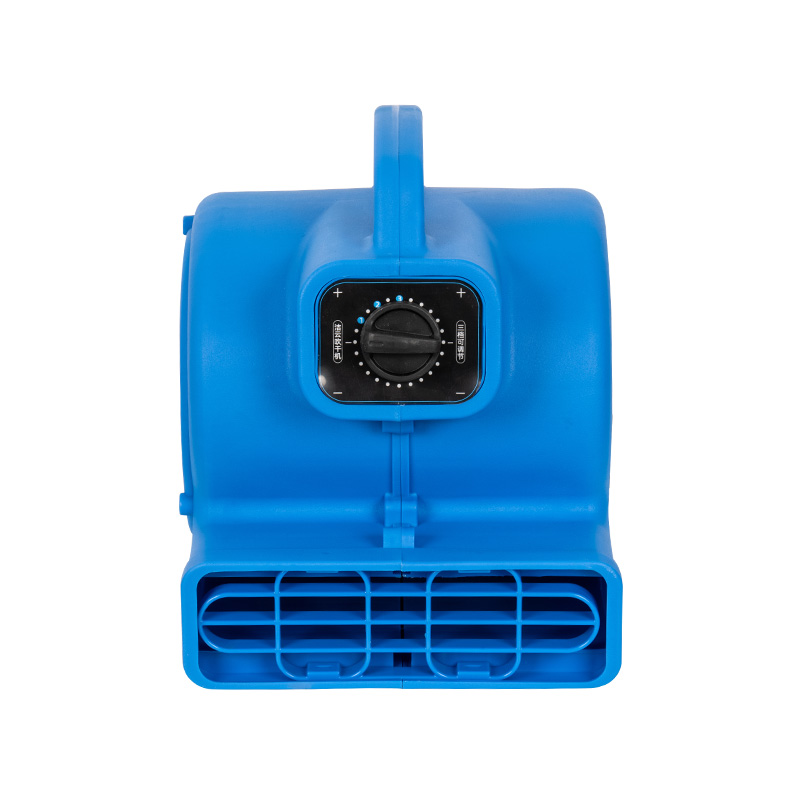
The AM-A03 Small Axial Floor Carpet Dryer is a highly efficient and versatile drying unit with a centrifugal air mover for faster surface drying. Not only is it suitable for drying carpets, floors, fu...
See Details
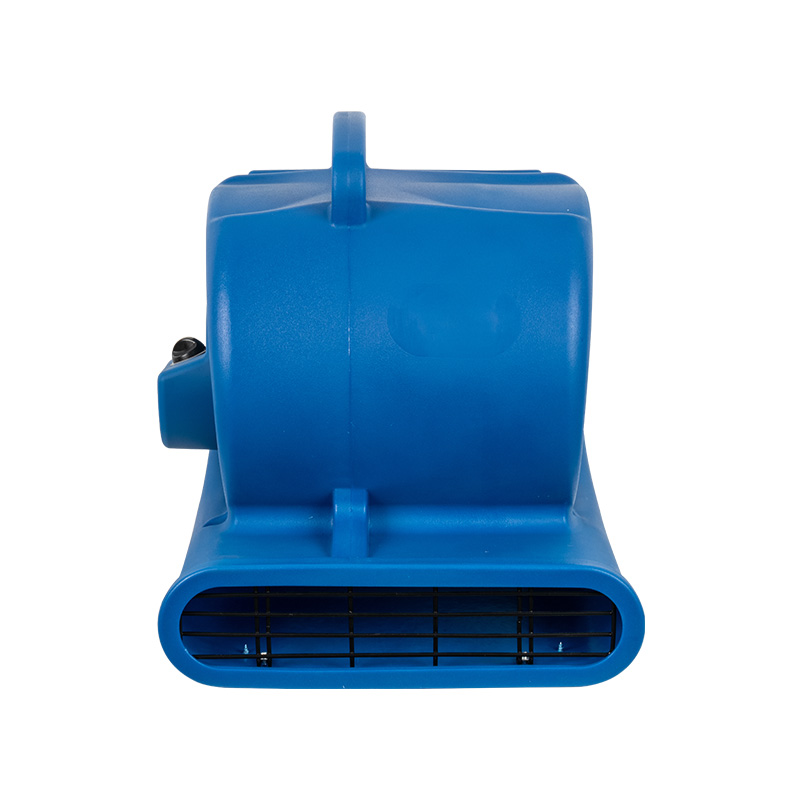
The AM-A04 Lightweight Portable Carpet Wall Floor Dryer features advanced centrifugal air movement technology for faster surface drying results. Not only is it suitable for a wide range of carpet, flo...
See DetailsStore Information
No. 88, Yuexin Road, Sanjiang Street, Shengzhou City, Shaoxing City, Zhejiang Province, China
+86-13819532379
Links
Products
Mobile Terminal


