Content
If you need to control humidity in one or two rooms, a portable standing dehumidifier is the smarter, lower-cost choice. If excess moisture affects your entire home, a whole house dehumidifier integrated with your HVAC system will outperform any portable unit. The decision comes down to three factors: the size of the problem area, your budget, and whether you want a set-and-forget solution or a flexible one you can move between spaces. Everything below breaks down exactly how each type works, what it costs, and which situations each one handles best.
Both types remove moisture from the air using refrigerant-based or desiccant technology, but they differ fundamentally in scale, installation, and integration with your home.
A whole house dehumidifier connects directly to your home's existing HVAC ductwork. It pulls humid air from every room via the return ducts, removes the moisture, and redistributes the conditioned air throughout the house. Most whole house units are rated to handle 70 to 150 pints of moisture per day and are designed for homes ranging from 1,500 to over 3,000 square feet. They drain continuously through a dedicated line — no bucket emptying required — and are controlled by a central humidistat.
A portable or stand alone dehumidifier is a freestanding appliance that processes air only in the room or zone where it is placed. Modern standing dehumidifiers typically remove 30 to 70 pints per day and are sized to cover areas from 500 to 4,500 square feet depending on the model. They collect water in an internal reservoir that must be emptied regularly — usually every 8 to 24 hours in high-humidity conditions — or can be connected to a floor drain via a gravity hose for continuous drainage.
The table below summarizes the most important differences to help you evaluate both options at a glance.
| Factor | Whole House Dehumidifier | Portable / Standing Dehumidifier |
|---|---|---|
| Coverage area | Entire home via ductwork | One room or zone |
| Capacity (pints/day) | 70–150 pints | 30–70 pints |
| Installation | Professional required | Plug-and-play, no install |
| Unit cost | $1,000–$2,800+ | $150–$400 |
| Installation cost | $300–$700 additional | None |
| Drainage | Automatic continuous drain | Manual bucket or gravity hose |
| Noise level | Minimal (hidden in HVAC) | 40–55 dB (audible) |
| Portability | Fixed in place | Movable room to room |
| Maintenance | Annual HVAC service | Filter cleaning every 2–4 weeks |
| Best for | Whole-home humidity issues | Basement, bedroom, one-room problems |
A whole house dehumidifier is the correct solution when humidity is a structural, recurring problem affecting multiple areas of the home — not just one damp corner.
The Aprilaire 1850W (95-pint capacity, up to 5,200 sq ft) and the Santa Fe Advance2 (90-pint capacity) are two of the most recommended whole house units by HVAC professionals. Both include built-in humidistats, automatic drainage, and Energy Star certification, keeping annual operating costs reasonable despite their higher upfront price.
A stand alone dehumidifier is the practical, cost-effective answer for localized moisture problems — and for renters, apartment dwellers, or homeowners who don't have central HVAC systems.
When shopping for a portable standing model, prioritize these specifications:
Budget is often the deciding factor, so it helps to see the full cost picture — not just the sticker price.
| Cost Category | Whole House Unit | Portable Standing Unit |
|---|---|---|
| Unit purchase price | $1,000–$2,800 | $150–$400 |
| Professional installation | $300–$700 | $0 |
| Annual electricity cost | $100–$200/year | $50–$120/year |
| Annual maintenance | $50–$150 (HVAC service) | Minimal (filter cleaning) |
| Estimated 5-year total | $2,050–$4,750 | $400–$1,000 |
The whole house system costs significantly more upfront and over time, but it delivers whole-home control with zero daily management. If you have a severe, house-wide humidity problem, the health and structural protection benefits typically justify the investment. For localized problems, a quality 50-pint standing dehumidifier at $200–$300 offers exceptional value and can pay for itself by preventing mold remediation costs that average $1,500–$3,500 per incident.
One of the most common purchasing mistakes is choosing a unit that is undersized for the actual conditions. The 2012 DOE standard changed how dehumidifier capacity is measured, so older sizing guides may be inaccurate. Use this practical framework instead:
This is a common question for homeowners who want to avoid the cost of a whole house system. The answer is: yes, but with trade-offs.
Running two or three stand alone dehumidifiers in different parts of the home can approximate whole-home coverage, but the combined purchase cost ($300–$900), ongoing electricity costs, and maintenance burden (multiple filters and buckets) can approach or exceed the cost of a whole house unit over five years — without the convenience of centralized control.
Multiple portable units make practical sense in these specific scenarios:
Long-term performance depends heavily on consistent maintenance. Neglecting upkeep is the leading cause of premature dehumidifier failure.
Use this straightforward decision guide to land on the right choice for your home:
Regardless of which type you choose, the most important thing is to act early. Sustained indoor humidity above 60% for more than 24–48 hours is sufficient for mold colonies to begin forming on walls, insulation, and wood framing — damage that is far more expensive to remediate than either type of dehumidifier costs to purchase and run.
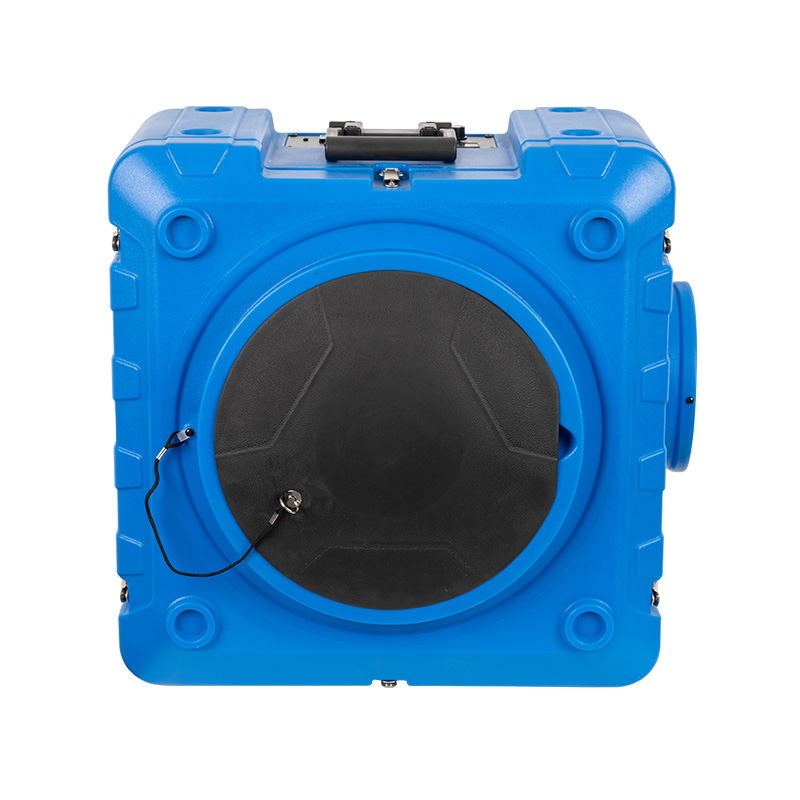
Three-Stage Filtration: The air scrubber features a three-stage filtration system that includes a pre-filter (MERV-10), carbon filter, and H13 HEPA filter. It effectively removes dust, pollen, smoke, ...
See Details
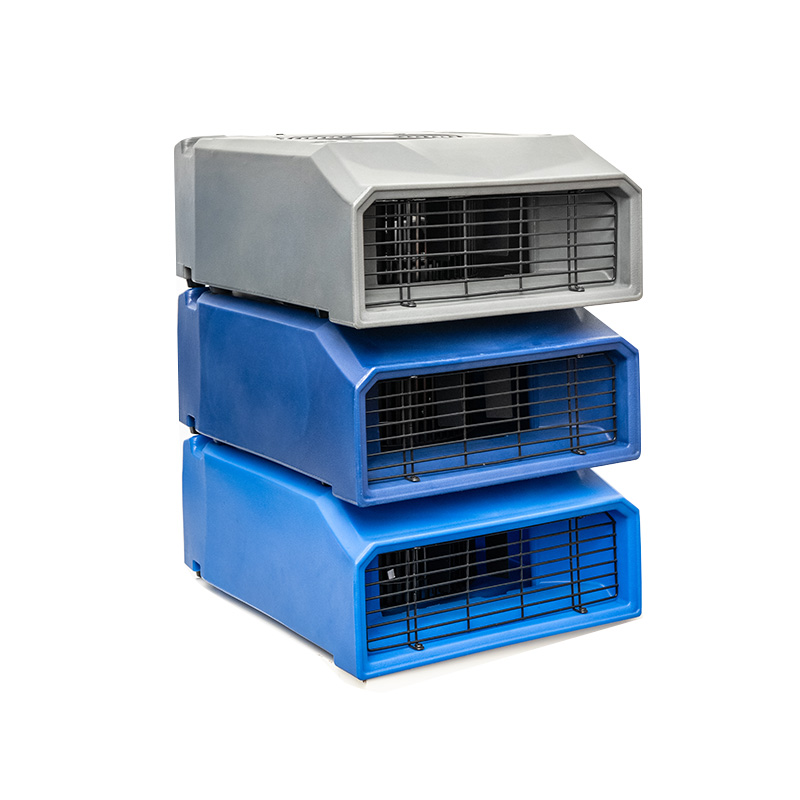
The AM-B01 High Air Volume Thin Carpet Dryers are equipped with a powerful motor that generates a high volume of airflow to ensure that your carpet dries thoroughly and quickly. This high air volume n...
See Details
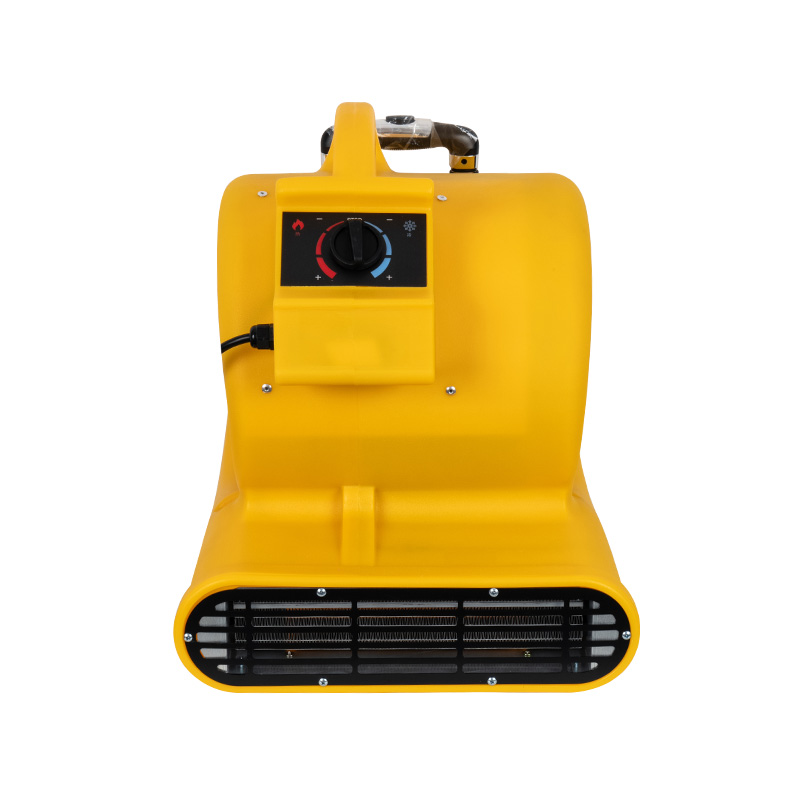
The AM-A01 Hot and Cold Carpet Drying Fans are versatile units designed to speed up the carpet drying process by utilizing hot and cold air. Combining the benefits of hot and cold air circulation, the...
See Details
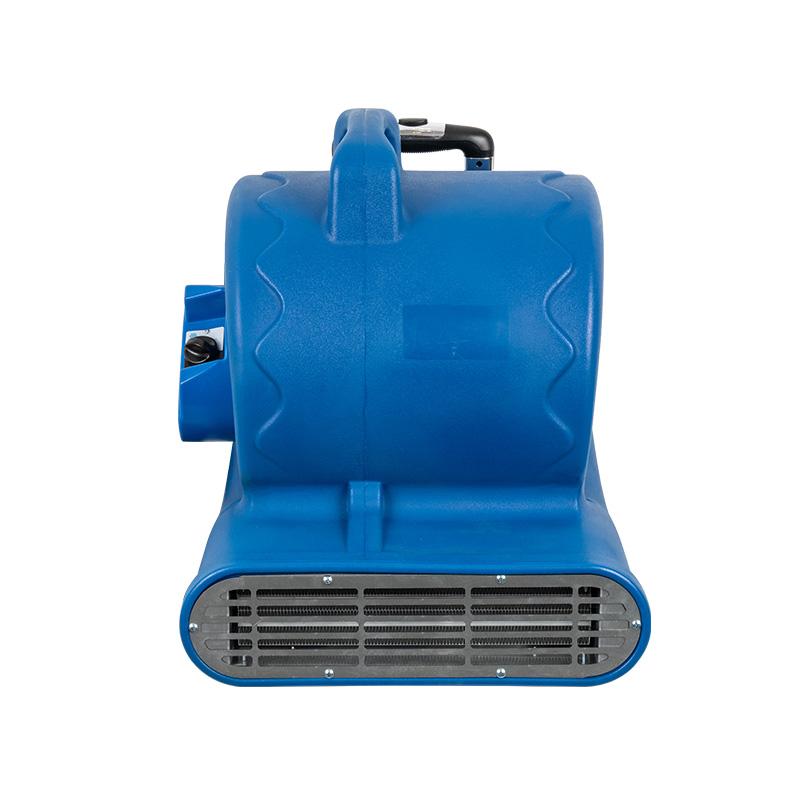
AM-A02 Multi-wing Centrifugal Wind Wheel Carpet Dryers effectively increase wind power and airflow for faster and more efficient carpet drying through the use of multi-wing centrifugal wind wheel tech...
See Details
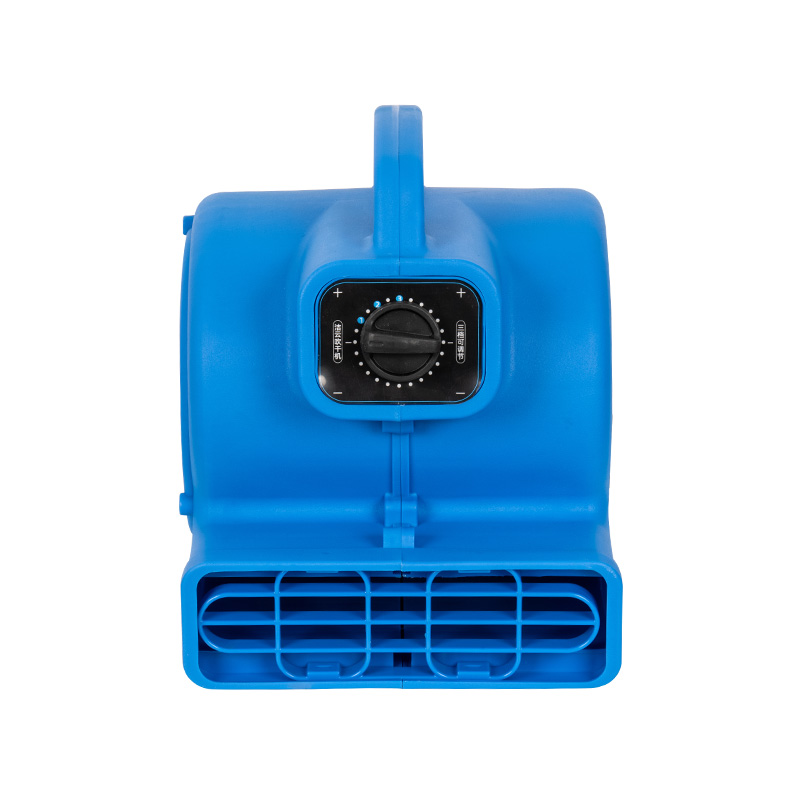
The AM-A03 Small Axial Floor Carpet Dryer is a highly efficient and versatile drying unit with a centrifugal air mover for faster surface drying. Not only is it suitable for drying carpets, floors, fu...
See Details
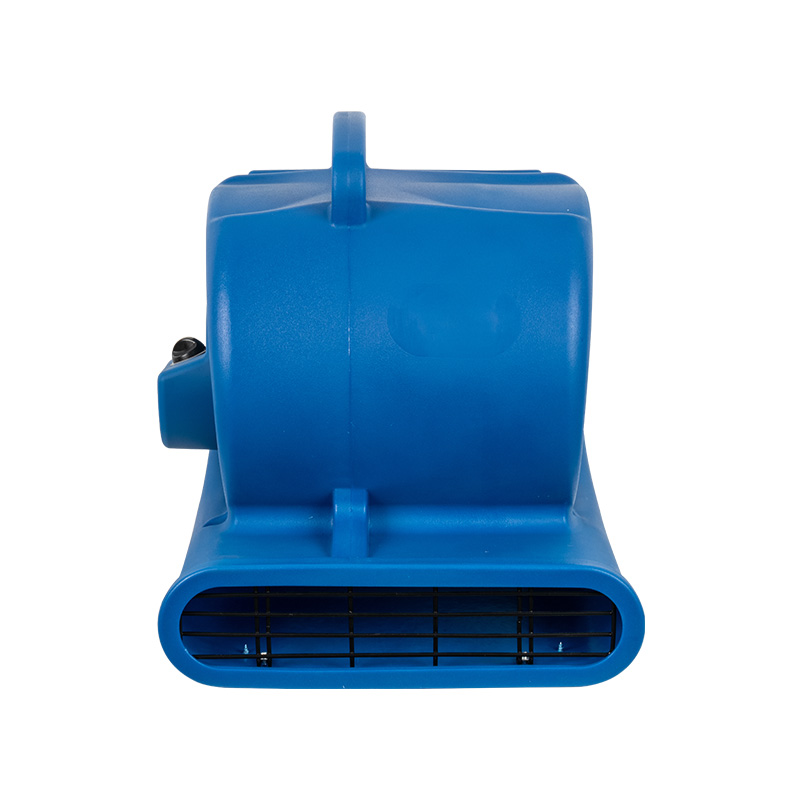
The AM-A04 Lightweight Portable Carpet Wall Floor Dryer features advanced centrifugal air movement technology for faster surface drying results. Not only is it suitable for a wide range of carpet, flo...
See DetailsStore Information
No. 88, Yuexin Road, Sanjiang Street, Shengzhou City, Shaoxing City, Zhejiang Province, China
+86-13819532379
Links
Products
Mobile Terminal


