Content
Yes — air scrubbers genuinely work, but with an important qualification: their effectiveness depends entirely on what you need them to remove and which technology the unit uses. An air scrubber equipped with a true HEPA filter will capture 99.97% of airborne particles 0.3 microns or larger, including dust, mold spores, pollen, and many bacteria. Models that add activated carbon layers also neutralize odors and volatile organic compounds (VOCs). Units with UV-C light or photocatalytic oxidation (PCO) go further, targeting viruses and airborne pathogens.
The key distinction is between air purifiers (consumer-grade, typically used in single rooms) and industrial or HVAC-integrated air scrubbers (used in construction sites, restoration jobs, hospitals, and whole-home systems). Both categories work — but for different tasks, at different scales, and at very different price points. The sections below break down the science, the use cases, and what the data actually shows.
An air scrubber pulls air through one or more filtration or purification stages and returns cleaner air to the room or duct system. The specific tasks it performs depend on its filter stack and technology:
The air scrubber tasks each technology handles are distinct. No single filter type addresses every pollutant category, which is why multi-stage units consistently outperform single-filter models in independent laboratory testing.
Multiple peer-reviewed studies and institutional evaluations support the effectiveness of air scrubbers — within defined parameters.
A 2020 study published in Environmental Science & Technology found that HEPA air purifiers reduced indoor fine particulate matter (PM2.5) concentrations by 45–85% within two hours of operation in residential settings. A separate EPA-funded study demonstrated that portable air cleaners with HEPA filters reduced particle concentrations in bedrooms by an average of 50% over 24 hours of continuous use, with some units achieving reductions above 70%.
Research published in the Journal of Allergy and Clinical Immunology confirmed that HEPA air purifiers reduce airborne cat allergen (Fel d 1) by up to 75% in treated rooms. However, the same research noted that allergens embedded in carpets, upholstery, and bedding are largely unaffected by air scrubbers — a critical limitation that users must understand. Air scrubbers address what's airborne, not what's settled on surfaces.
During the COVID-19 pandemic, the CDC and ASHRAE (American Society of Heating, Refrigerating and Air-Conditioning Engineers) both endorsed the use of HEPA filtration as a supplemental measure for reducing airborne viral particles. A 2021 study from Harvard T.H. Chan School of Public Health found that HEPA purifiers operating in classrooms reduced aerosol concentrations by approximately 40%, comparable to the improvement from opening two windows. UV-C systems add another layer — laboratory testing shows UV-C exposure can inactivate 99.9% of certain airborne pathogens at sufficient intensity and exposure time, though real-world results vary based on airflow speed and lamp placement.
HEPA filters do not remove gases or odors. Activated carbon is required for this task. A 2019 analysis by the California Air Resources Board (CARB) found that air purifiers with at least 5 lbs of activated carbon meaningfully reduced formaldehyde and benzene levels in test chambers, while units with thin carbon pre-filters (under 1 lb) showed negligible VOC reduction after the first few weeks of use.
Understanding exactly which air scrubber tasks a unit can and cannot handle prevents wasted money and unmet expectations.
| Task / Pollutant | HEPA Only | HEPA + Carbon | HEPA + Carbon + UV-C |
|---|---|---|---|
| Dust & PM2.5 | Excellent | Excellent | Excellent |
| Pollen & Allergens | Good | Good | Good |
| Mold Spores | Good (capture) | Good (capture) | Excellent (capture + kill) |
| Smoke Particles | Partial | Good | Good |
| Odors & VOCs | Ineffective | Good | Good |
| Bacteria & Viruses | Captures, doesn't kill | Captures, doesn't kill | Captures + inactivates |
| Surface Contaminants | Not addressed | Not addressed | Not addressed |
| Radon Gas | Ineffective | Ineffective | Ineffective |
The table above makes clear that no air scrubber handles every air quality task. Radon, for instance, requires dedicated mitigation systems. Surface contamination requires cleaning, not air filtration. Matching your unit's technology to your actual problem is the single most important factor in whether an air scrubber works for you.
The term "air scrubber" is used for both professional-grade machines and consumer home units, but these are very different products with different capabilities and air scrubber tasks.
These are large, portable machines used by water damage restoration companies, construction crews, mold remediation specialists, and hospitals. Key characteristics:
Consumer air purifiers and HVAC add-on systems (like the popular ActivePure or RGF REME HALO units) are designed for ongoing home air quality improvement. Key facts:
The Clean Air Delivery Rate (CADR), developed by the Association of Home Appliance Manufacturers (AHAM), is the most reliable independent metric for comparing air scrubbers. It measures the volume of filtered air delivered per minute for three specific pollutants: smoke, dust, and pollen. Higher CADR numbers mean faster, more effective air cleaning.
| Room Size (sq ft) | Minimum CADR Needed | Recommended CADR | Typical Unit Price |
|---|---|---|---|
| Up to 150 sq ft | 100 CFM | 130+ CFM | $50–$120 |
| 150–300 sq ft | 130 CFM | 200+ CFM | $100–$250 |
| 300–500 sq ft | 200 CFM | 300+ CFM | $200–$400 |
| 500–800 sq ft | 300 CFM | 400+ CFM | $300–$600 |
| 800–1,500 sq ft | 400 CFM | 500+ CFM | $500–$800+ |
Important: manufacturer-claimed "coverage area" figures are often optimistic and may assume only one air change per hour. For allergy or asthma sufferers, five air changes per hour is the clinical recommendation — which means you may need a unit rated for a room 2–3 times larger than your actual space, or two units running simultaneously.
When people conclude that air scrubbers "don't work," the failure usually traces back to one of these preventable mistakes:
Running a 150 sq ft-rated purifier in a 600 sq ft open-plan living area is the most common error. The unit simply cannot cycle enough air volume to make a measurable difference. Always size up — a unit rated for a larger space running on medium speed is generally more effective and quieter than a correctly-sized unit running at maximum.
A saturated HEPA filter doesn't just stop capturing particles — it can begin releasing previously captured material back into the air. Most HEPA filters require replacement every 6–12 months under normal use; activated carbon filters often need replacement every 3–6 months, especially in kitchens or homes with smokers. Ignoring filter replacement is the single largest cause of declining air scrubber performance.
Buying a HEPA-only unit to address cooking smells or chemical odors will produce no measurable improvement — HEPA cannot adsorb gases. Conversely, buying an ionizer-only unit to reduce wildfire smoke particles is far less effective than a true HEPA unit. Match the technology to the target pollutant (refer to the table in the section above).
Air scrubbers placed in corners, behind furniture, or too close to walls have reduced intake airflow. Best practice is to position the unit at least 12–18 inches from walls and furniture, ideally near the center of the room or in the area where you spend the most time. For bedrooms, placing the unit near the bed — not across the room — significantly improves the air you actually breathe during sleep.
Air quality recovers quickly once a purifier is turned off, particularly in homes with pets, smokers, or high outdoor pollution. Studies show that continuous operation at a low or medium fan speed is more effective than short bursts at maximum speed. Modern air scrubbers with auto-sensing modes (adjusting fan speed based on detected particle levels) offer the best balance of effectiveness and energy cost.
Air scrubbers provide the greatest measurable benefit to specific groups and situations. If you fall into any of the categories below, the evidence strongly supports investing in a quality unit:
Before purchasing, answer these four questions to identify the right unit for your needs:
Also check for third-party certifications: AHAM Verified (confirms CADR rating), Energy Star (confirms efficiency), and California Air Resources Board (CARB) Certified (confirms the unit does not produce harmful ozone levels above 0.050 ppm). Avoid ionizers or plasma units that are not CARB certified, as some produce ozone concentrations that can irritate airways — the opposite of what you're trying to achieve.
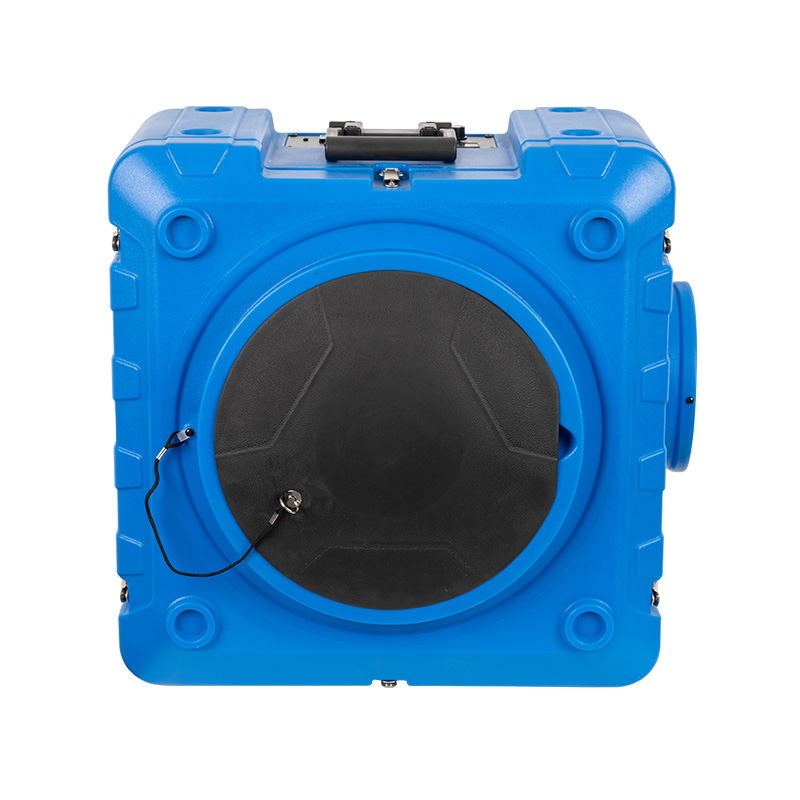
Three-Stage Filtration: The air scrubber features a three-stage filtration system that includes a pre-filter (MERV-10), carbon filter, and H13 HEPA filter. It effectively removes dust, pollen, smoke, ...
See Details
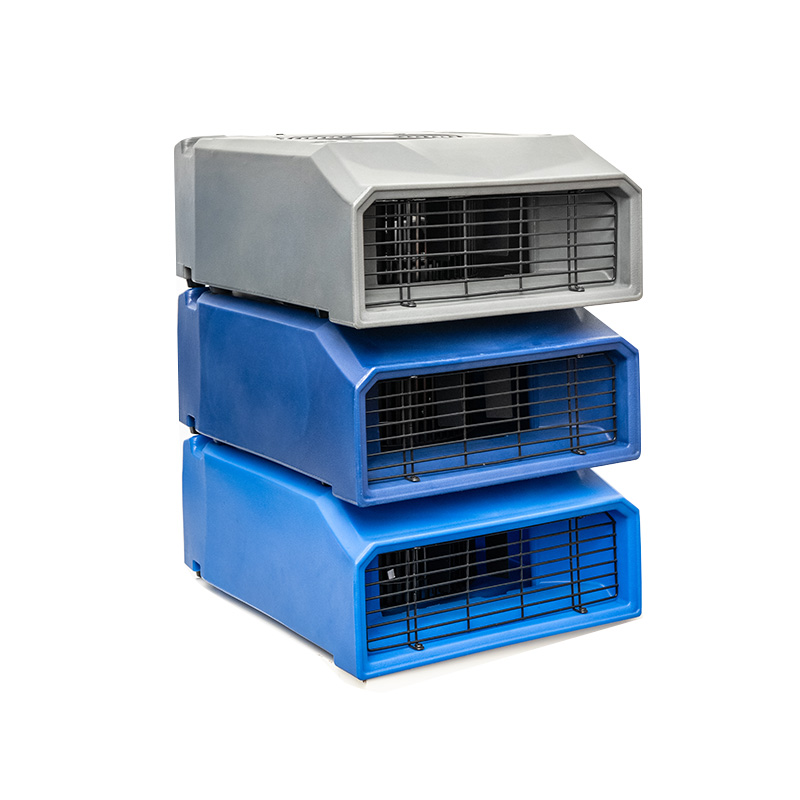
The AM-B01 High Air Volume Thin Carpet Dryers are equipped with a powerful motor that generates a high volume of airflow to ensure that your carpet dries thoroughly and quickly. This high air volume n...
See Details
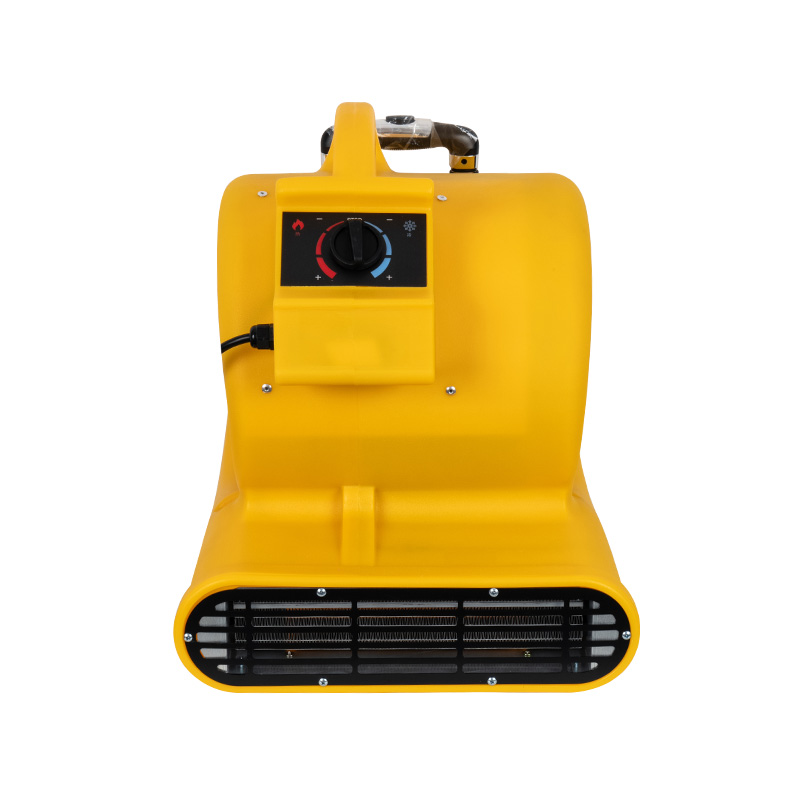
The AM-A01 Hot and Cold Carpet Drying Fans are versatile units designed to speed up the carpet drying process by utilizing hot and cold air. Combining the benefits of hot and cold air circulation, the...
See Details
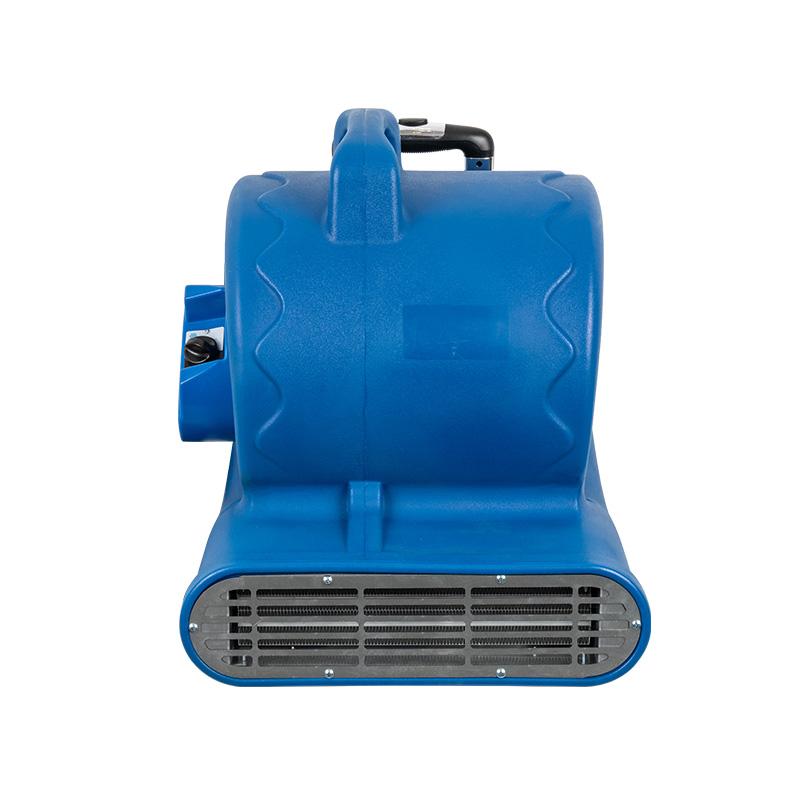
AM-A02 Multi-wing Centrifugal Wind Wheel Carpet Dryers effectively increase wind power and airflow for faster and more efficient carpet drying through the use of multi-wing centrifugal wind wheel tech...
See Details
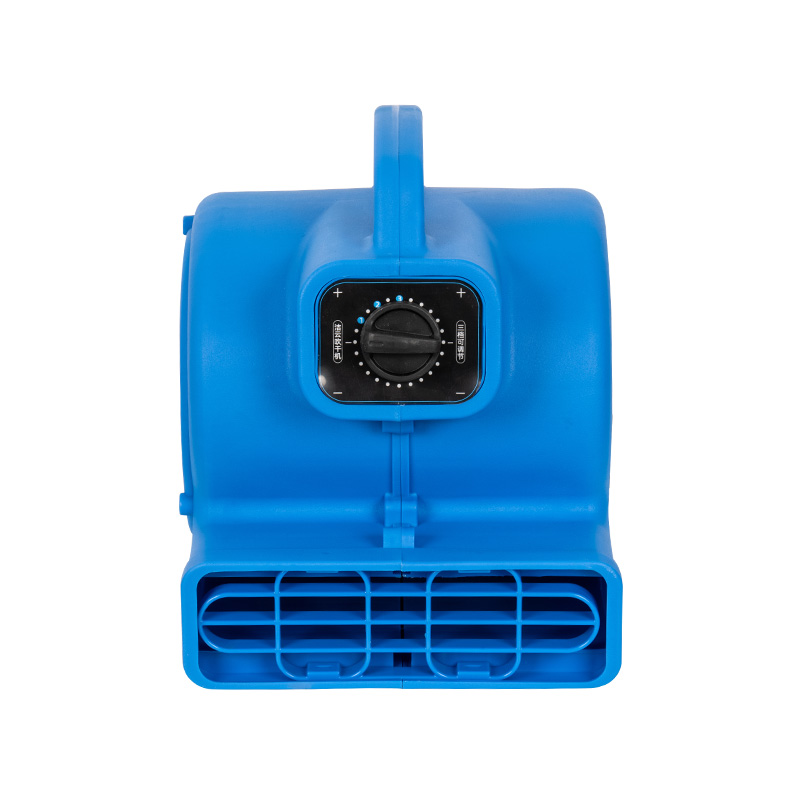
The AM-A03 Small Axial Floor Carpet Dryer is a highly efficient and versatile drying unit with a centrifugal air mover for faster surface drying. Not only is it suitable for drying carpets, floors, fu...
See Details
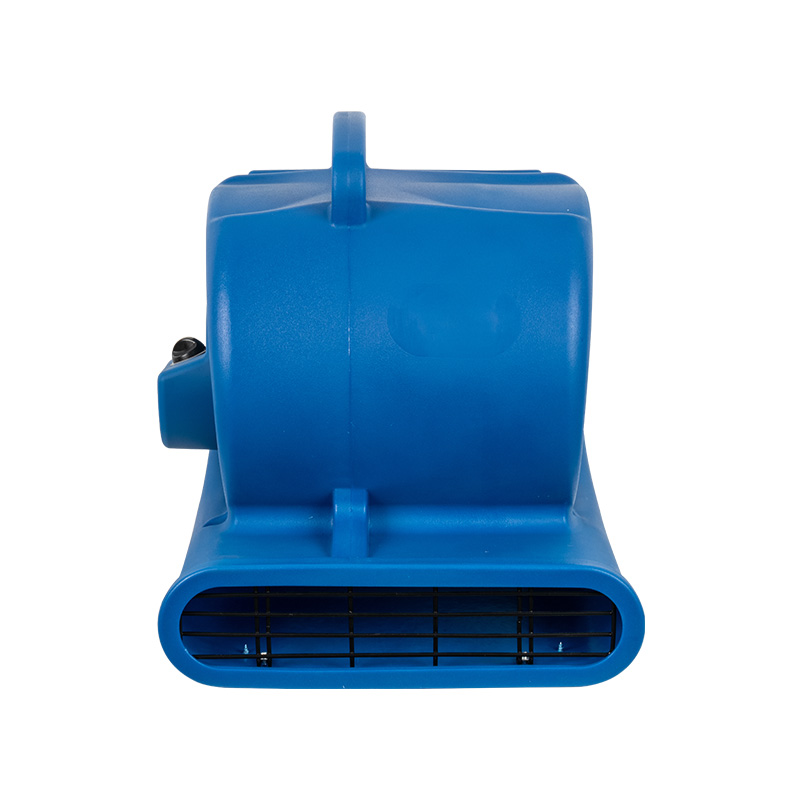
The AM-A04 Lightweight Portable Carpet Wall Floor Dryer features advanced centrifugal air movement technology for faster surface drying results. Not only is it suitable for a wide range of carpet, flo...
See DetailsStore Information
No. 88, Yuexin Road, Sanjiang Street, Shengzhou City, Shaoxing City, Zhejiang Province, China
+86-13819532379
Links
Products
Mobile Terminal


