Content
Duct booster fans do work—but only under the right conditions. If weak airflow to a specific room is caused by a long duct run, excessive bends, or undersized branch ducts, a duct fan can meaningfully increase airflow and improve comfort. However, if the root problem is an undersized HVAC system, a failing blower motor, leaky ductwork, or blocked vents, a booster fan will not fix it—and may actually make your system work harder. Understanding when duct fans help and when they don't is essential before spending money on one.
A duct booster fan is a small inline or register-mounted fan installed inside or at the end of an HVAC duct. Its purpose is to supplement the airflow generated by the central air handler, pushing more conditioned air into a specific room or zone that is not receiving adequate flow.
Most modern duct booster fans are wired to activate automatically when the HVAC system runs, using a pressure switch or an end switch on the air handler. This prevents the fan from running continuously and wasting energy.
Duct fans are genuinely effective in a specific set of scenarios. If your situation matches one of these, a booster fan is likely to help.
This is where many homeowners waste money. A duct fan cannot fix systemic HVAC problems. Installing one in the wrong situation may provide no benefit or even cause harm to the system.
Additionally, installing a powerful inline booster fan can create negative pressure in the duct system, potentially pulling conditioned air back through return ducts or causing the HVAC blower to work harder than it should. Always size the fan appropriately for the duct diameter and system capacity.
| Feature | Inline Duct Fan | Register Booster Fan |
|---|---|---|
| Airflow Capacity | 50–400+ CFM | 25–100 CFM |
| Installation Difficulty | Moderate (requires duct access) | Easy (plug-in or simple swap) |
| Visibility | Hidden inside duct | Visible at vent |
| Noise Level | Low to moderate | Moderate (audible at vent) |
| Cost | $30–$150+ | $20–$80 |
| Best For | Long duct runs, serious airflow deficits | Minor airflow issues, easy DIY fix |
| Auto On/Off | Yes (pressure or end switch) | Often yes (thermostat or sail switch) |
For a room at the end of a long duct run suffering from a significant airflow deficit, an inline fan is almost always the better choice due to its higher capacity and cleaner installation. Register fans are best for minor comfort issues or as a temporary solution.
Before buying a duct fan, run through this diagnostic process to confirm it addresses the actual cause of your problem.
Not all duct booster fans are interchangeable. Matching the fan to your specific duct size and airflow requirements is critical.
Inline fans must match the diameter of your existing ductwork. Common sizes are 4-inch, 6-inch, and 8-inch round ducts. Using a fan that doesn't match means fabricating transitions, which adds cost and creates additional airflow resistance.
Calculate the approximate airflow needed for the room. A general rule of thumb is 1 CFM per square foot of room area for standard 8-foot ceilings. A 150 sq ft bedroom needs roughly 150 CFM. Choose a fan rated at or slightly above that figure, accounting for the added resistance of the duct run.
Choose a fan with automatic on/off capability—either a pressure-activated sail switch or a connection to the HVAC system's end switch. A fan running continuously when the HVAC is off creates backdrafts and wastes electricity.
For bedrooms or living areas, look for fans rated at under 1.0 sone (equivalent to a quiet refrigerator hum). Cheaper fans can produce noticeable rattling or vibration that is disruptive in quiet rooms.
Most duct booster fans consume between 15 and 60 watts. Running a 30-watt fan 8 hours a day costs roughly $1–$2 per month at average U.S. electricity rates—an acceptable operating cost if the fan is genuinely improving comfort and reducing HVAC runtime.
A duct fan is not always the best solution. Here is how it compares to other common approaches for improving room comfort:
| Solution | Best Use Case | Approximate Cost | Effectiveness |
|---|---|---|---|
| Duct booster fan | Long duct runs, room additions | $20–$150 | High (when correctly applied) |
| Duct sealing (mastic/tape) | Leaky ductwork | $100–$500 (pro) | Very high |
| Zoning dampers | Multi-zone comfort control | $2,000–$5,000+ | Very high |
| Mini-split system | Additions, detached rooms | $1,500–$4,000+ | Excellent |
| HVAC system upgrade | Undersized equipment | $5,000–$12,000+ | Complete solution |
| Portable space heater/AC | Temporary or supplemental comfort | $30–$400 | Moderate |
A duct booster fan offers the best cost-to-benefit ratio when the underlying ductwork is sound and the airflow deficit is localized. For whole-home problems or systemic HVAC deficiencies, the more expensive solutions in the table above are worth the investment.
Duct booster fans are a legitimate, cost-effective tool—but they are not a universal fix. Used correctly, an inline duct fan costing $50–$100 can solve a comfort problem that would otherwise require thousands of dollars in ductwork modifications. Used incorrectly, they add noise, increase energy consumption, and leave the real problem unresolved.
The key is diagnosis first. Seal duct leaks, clear obstructions, and replace the air filter before buying anything. If a specific room is still underperforming after those steps, and the duct run to that room is long or convoluted, a properly sized inline duct booster fan will very likely make a noticeable difference.
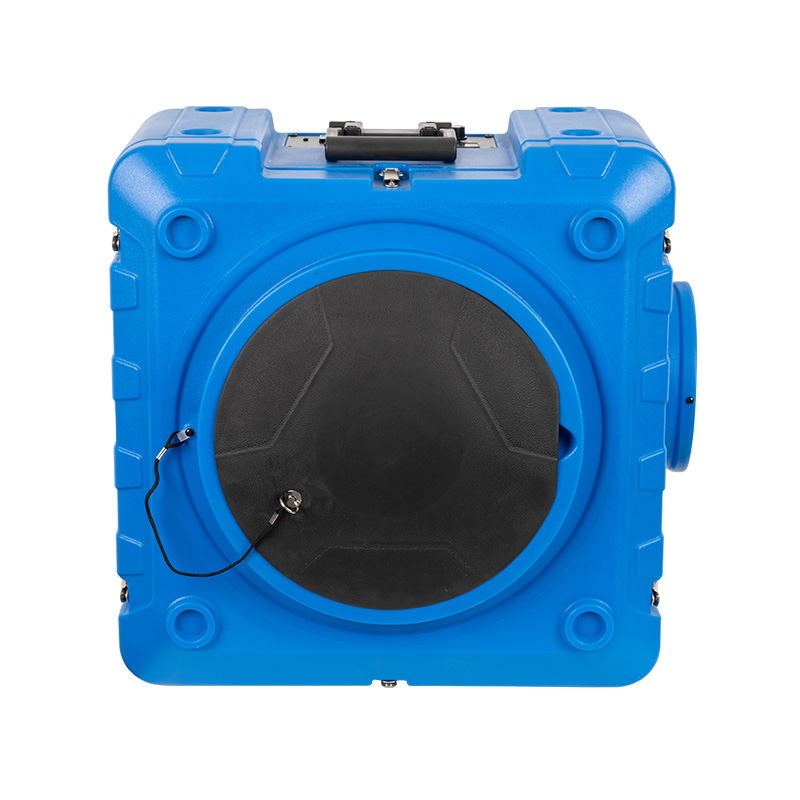
Three-Stage Filtration: The air scrubber features a three-stage filtration system that includes a pre-filter (MERV-10), carbon filter, and H13 HEPA filter. It effectively removes dust, pollen, smoke, ...
See Details
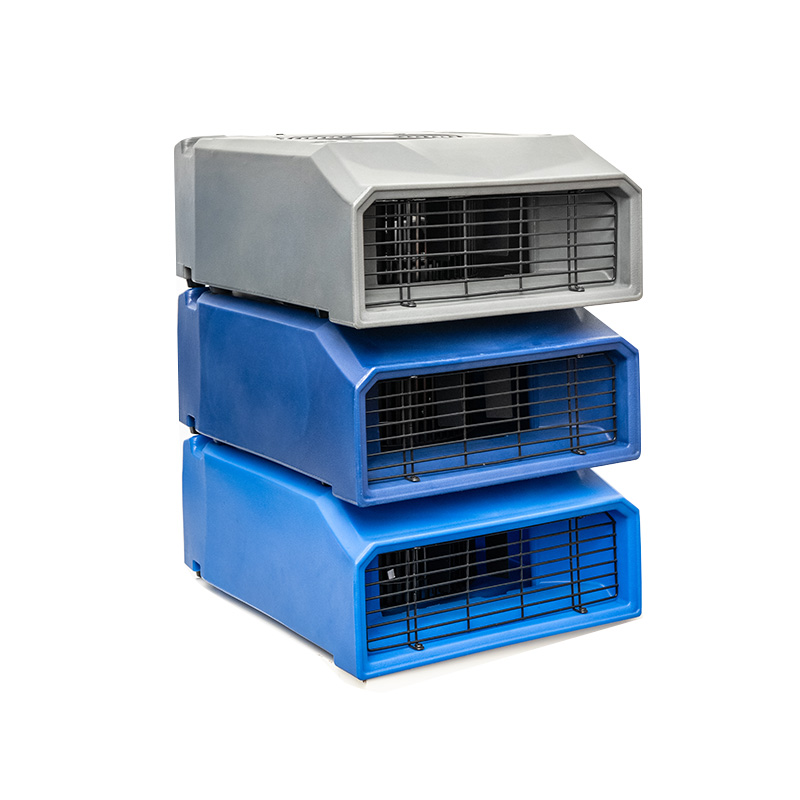
The AM-B01 High Air Volume Thin Carpet Dryers are equipped with a powerful motor that generates a high volume of airflow to ensure that your carpet dries thoroughly and quickly. This high air volume n...
See Details
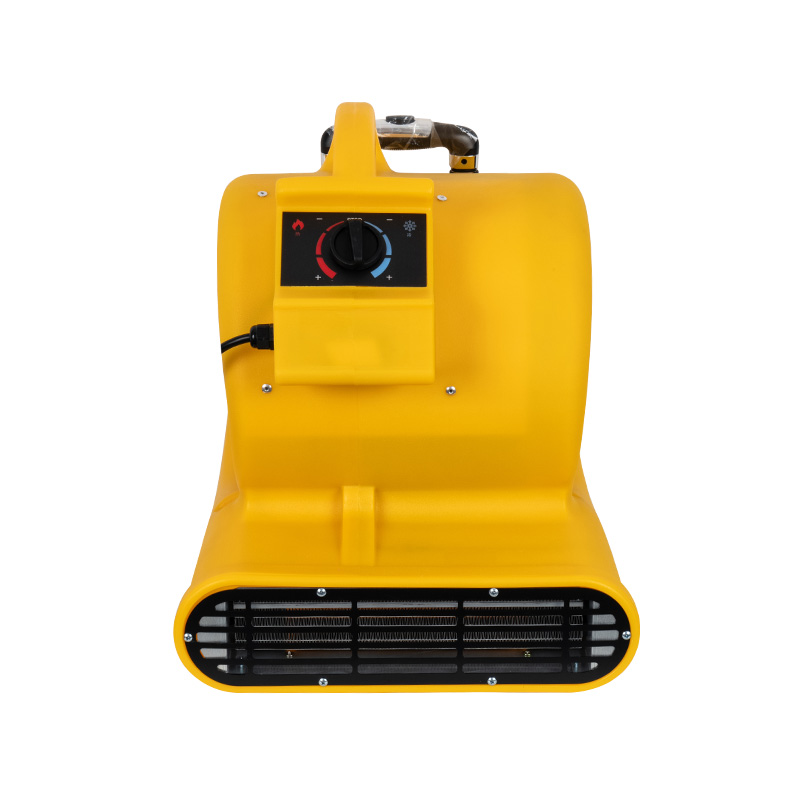
The AM-A01 Hot and Cold Carpet Drying Fans are versatile units designed to speed up the carpet drying process by utilizing hot and cold air. Combining the benefits of hot and cold air circulation, the...
See Details
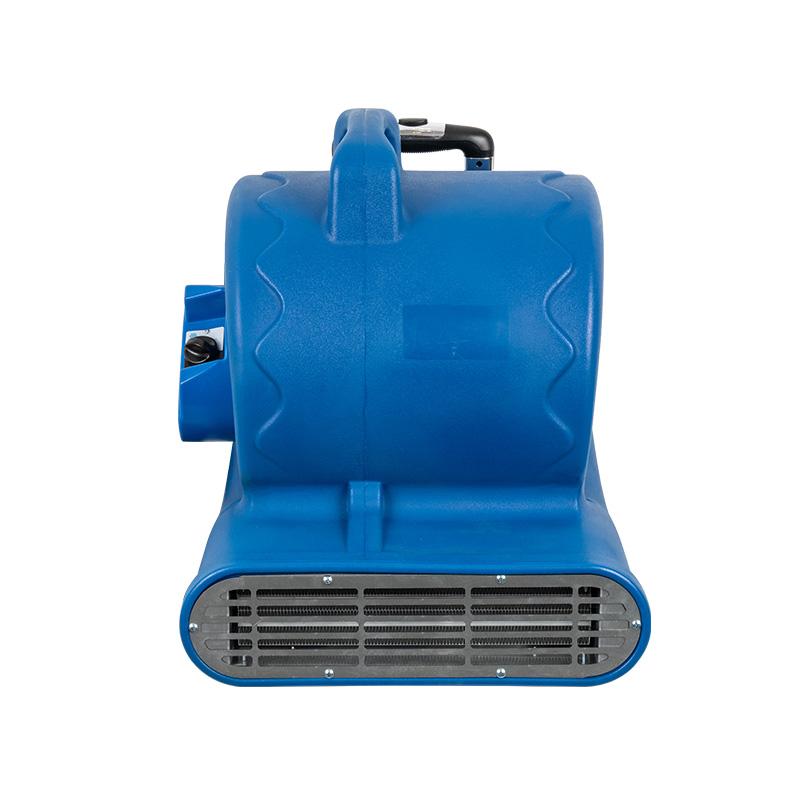
AM-A02 Multi-wing Centrifugal Wind Wheel Carpet Dryers effectively increase wind power and airflow for faster and more efficient carpet drying through the use of multi-wing centrifugal wind wheel tech...
See Details
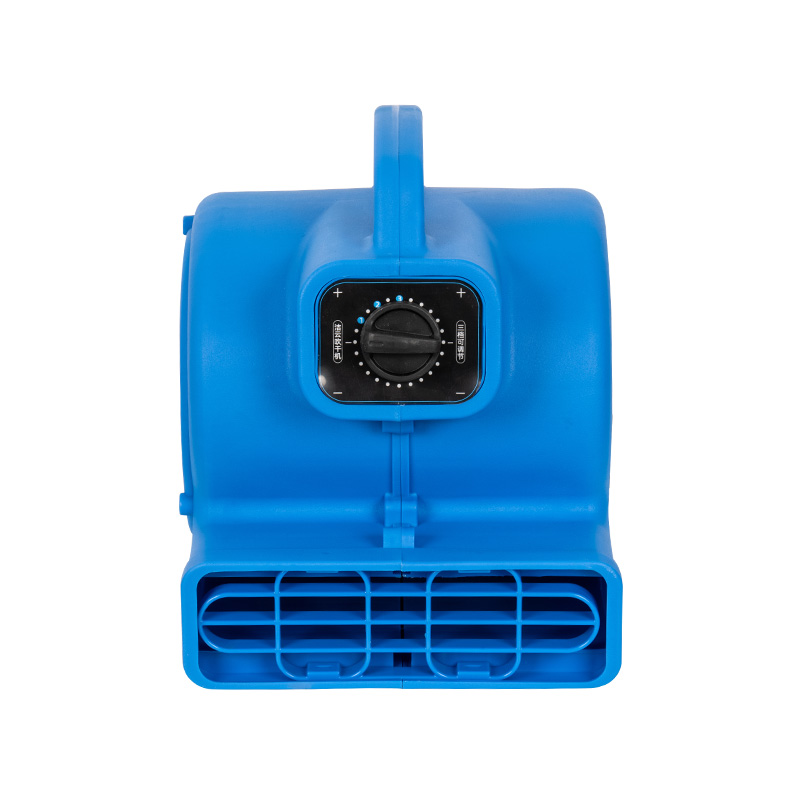
The AM-A03 Small Axial Floor Carpet Dryer is a highly efficient and versatile drying unit with a centrifugal air mover for faster surface drying. Not only is it suitable for drying carpets, floors, fu...
See Details
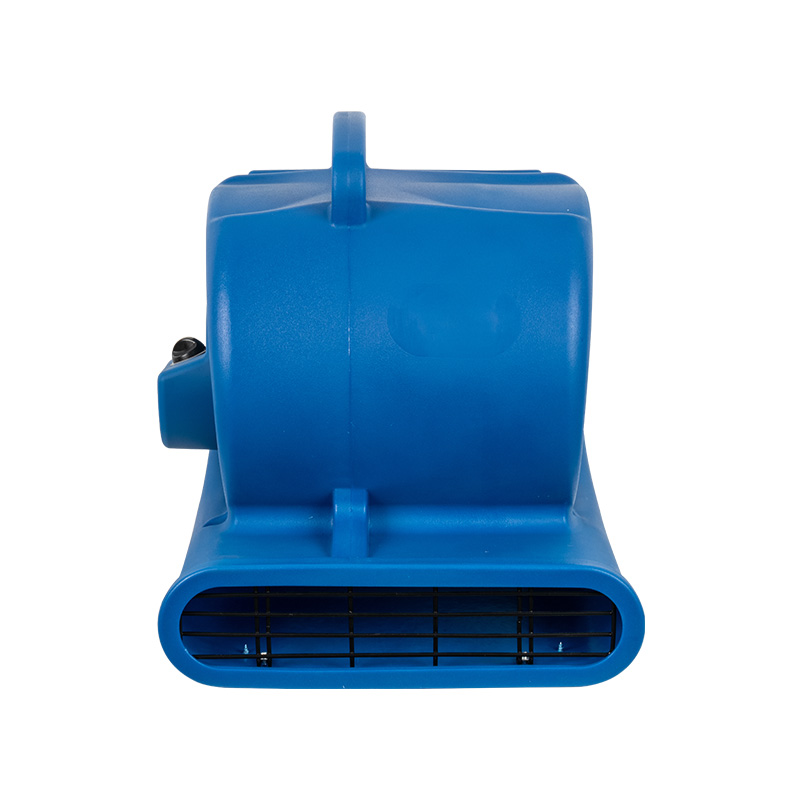
The AM-A04 Lightweight Portable Carpet Wall Floor Dryer features advanced centrifugal air movement technology for faster surface drying results. Not only is it suitable for a wide range of carpet, flo...
See DetailsStore Information
No. 88, Yuexin Road, Sanjiang Street, Shengzhou City, Shaoxing City, Zhejiang Province, China
+86-13819532379
Links
Products
Mobile Terminal


