Content
If you have ever tried to dry a soaked carpet or a freshly scrubbed floor with an ordinary household fan, you already know how painfully slow the process can be. An air mover solves that problem by producing a concentrated, high-velocity stream of air that pushes moisture off surfaces and into the surrounding air. As a manufacturer that builds air movers, carpet dryers, and axial blowers every day, we want to explain how they work and how to get the best results.
An air mover is a portable blower designed specifically for drying and air circulation. It contains three essential parts: a motor, an impeller or blade wheel, and a shaped housing with an intake and a discharge opening. Instead of simply stirring the air the way a conventional fan does, an air mover generates a powerful, directed sheet of air that sweeps across damp carpets, floors, walls, and other wet surfaces.
Air movers were first developed for professional water damage restoration, but they are now standard equipment in carpet cleaning, property maintenance, construction, and industrial ventilation as well.
The working principle is simple. The motor spins the impeller at high speed, drawing air in through the rear or side intake. The rotating blades accelerate the air, and the specially shaped housing guides it out through the front nozzle as a fast-moving, fan-shaped stream.
When air sits against a wet surface, it quickly becomes saturated with moisture, forming what engineers call the boundary layer. A normal fan only disturbs this layer gently. An air mover, however, strips the boundary layer away again and again, exposing fresh water molecules to the moving air so they can evaporate. The higher the velocity at the surface, the faster evaporation takes place. That is why an air mover can dry a wet carpet in hours while a conventional fan might take more than a day.
Air movers generally use one of two mechanical designs. Axial units use a propeller-style impeller that pulls air straight through the unit, producing high volume with low pressure. Centrifugal units use a multi-blade blower wheel, often called a squirrel cage, which turns the air 90 degrees and pushes it out at higher velocity. Both designs have their place, and the right choice depends on the job.
| Design | Airflow Character | Velocity | Typical Job |
|---|---|---|---|
| Axial | High volume, straight path | Moderate | Wide-area drying and ventilation |
| Centrifugal | Pressurized, directed stream | High | Carpet, floor, and wall drying |
If your work demands maximum volume over a broad area, our ABB01 axial flow rotational-molded fan is a solid choice, with a tough housing and airflow that keeps large spaces moving.
It is easy to mistake an air mover for a fan, especially when you see the round housing and the blade guard. In practice, however, the two machines are engineered for completely different jobs. A fan is designed to produce a wide, gentle airflow for personal comfort. An air mover is designed to produce a focused, high-velocity airstream that dries surfaces, ventilates rooms, and supports restoration work.
The construction differs, too. Air movers use stronger motors, heavier housings, and a compact discharge profile that sends air out in a controlled sheet rather than in all directions. They are built to run for long periods, to be stacked or angled, and to survive jobsite use that would quickly wear out a typical household fan.
| Feature | Regular Fan | Air Mover |
|---|---|---|
| Main purpose | Personal comfort | Surface drying and airflow |
| Airflow shape | Wide and gentle | Concentrated and forceful |
| Construction | Light duty | Reinforced for professional use |
| Typical setting | Home and office | Cleaning, restoration, construction |
If you are still weighing which machine your team actually needs, we have compared air movers and traditional fans in more depth over on our industry blog.
Because an air mover is a very efficient way to move air, it shows up in more places than you might expect. These are the applications we see most often among our customers:
For carpet and floor cleaning teams, a quality drying fan is the centerpiece of the workflow. Our AMA01 hot-and-cold carpet drying fan, for example, offers switchable air temperature and multi-angle blowing to keep drying efficient even in humid conditions.
Air movers also work best when paired with a dehumidifier. The air mover accelerates evaporation from the wet surface, while the dehumidifier removes the water vapor from the room air before it can condense on walls and furniture. This one-two combination is the standard professional strategy for structural drying, and it works well with portable units such as our DEHB02 compact dehumidifier.
Placement matters as much as the machine itself. These guidelines, which we share with visitors to our factory, make a real difference:
Most professional air movers are designed for continuous duty, so it is generally safe to leave them running around the clock until the moisture reading drops to an acceptable level. Models with three-speed adjustment are especially useful because you can start at high speed and then drop to a quieter setting as the surface becomes nearly dry.
Every drying job is slightly different, so the right air mover depends on your typical working conditions. Start with these five basic criteria:
Duct fans and axial blowers can also help, moving air through walls, floors, and crawl spaces where portable air movers cannot reach. Every setup comes back to the same principle: keep air moving across every wet surface, and keep removing the moisture it picks up.
No, which is one reason they are so popular. A typical air mover draws about the same power as a conventional fan, but because it finishes the job much faster, the total energy cost of a drying project is usually lower. With three-speed models, you can save even more by reducing power during the final drying stage.
Understanding how air movers work makes it easier to choose the right one. Whether you are a restoration professional, a cleaning contractor, or a facility manager, the right airflow equipment will pay for itself quickly. If you are planning your next purchase, we would be glad to talk through your requirements and recommend a solution from our range of axial blowers, carpet dryers, duct fans, and dehumidifiers.
Three-Stage Filtration: The air scrubber features a three-stage filtration system that includes a pre-filter (MERV-10), carbon filter, and H13 HEPA filter. It effectively removes dust, pollen, smoke, ...
See Details
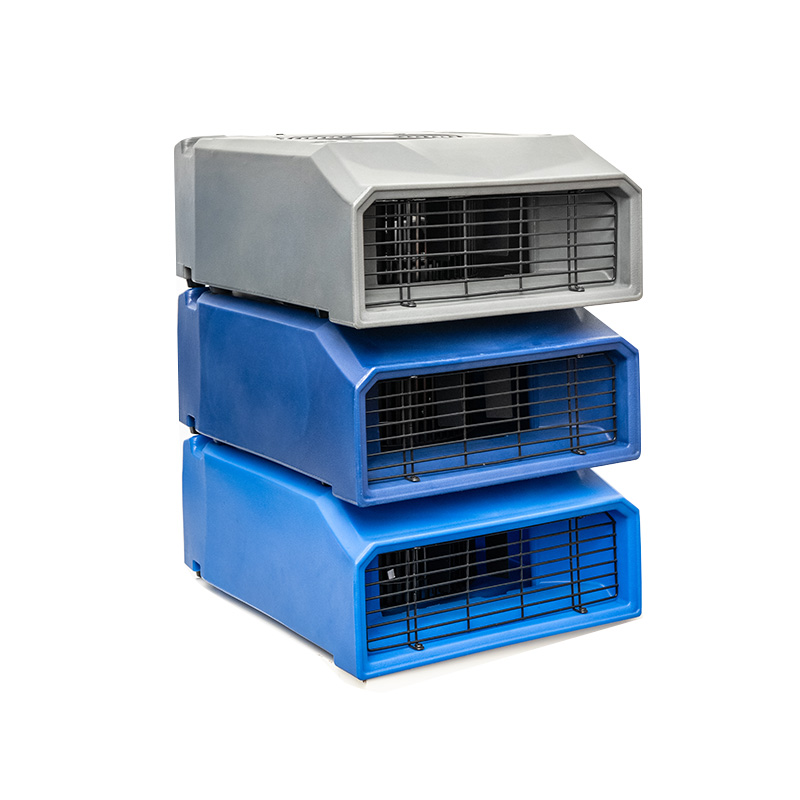
The AM-B01 High Air Volume Thin Carpet Dryers are equipped with a powerful motor that generates a high volume of airflow to ensure that your carpet dries thoroughly and quickly. This high air volume n...
See Details
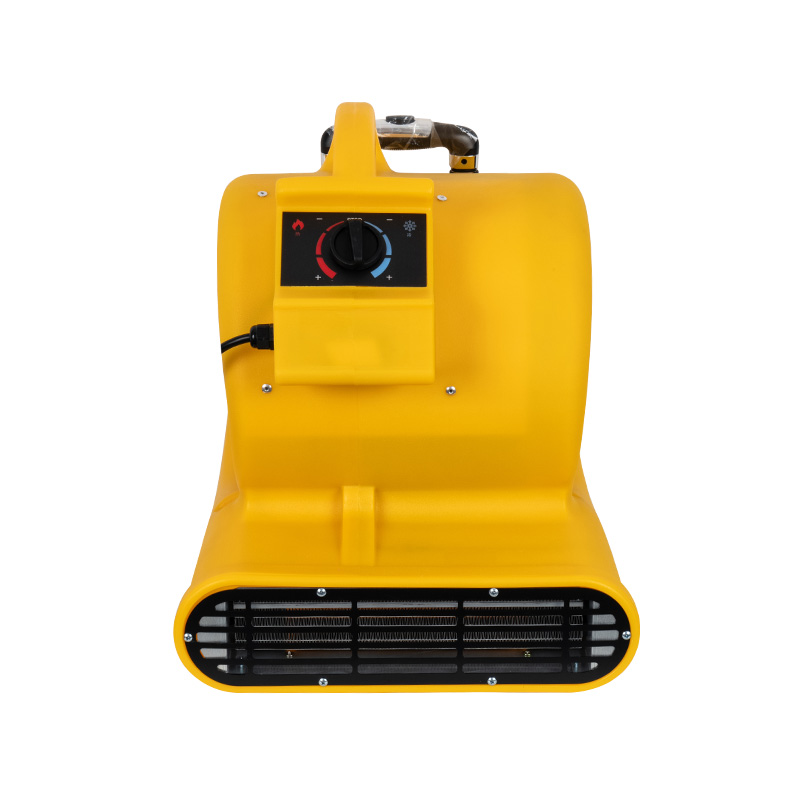
The AM-A01 Hot and Cold Carpet Drying Fans are versatile units designed to speed up the carpet drying process by utilizing hot and cold air. Combining the benefits of hot and cold air circulation, the...
See Details
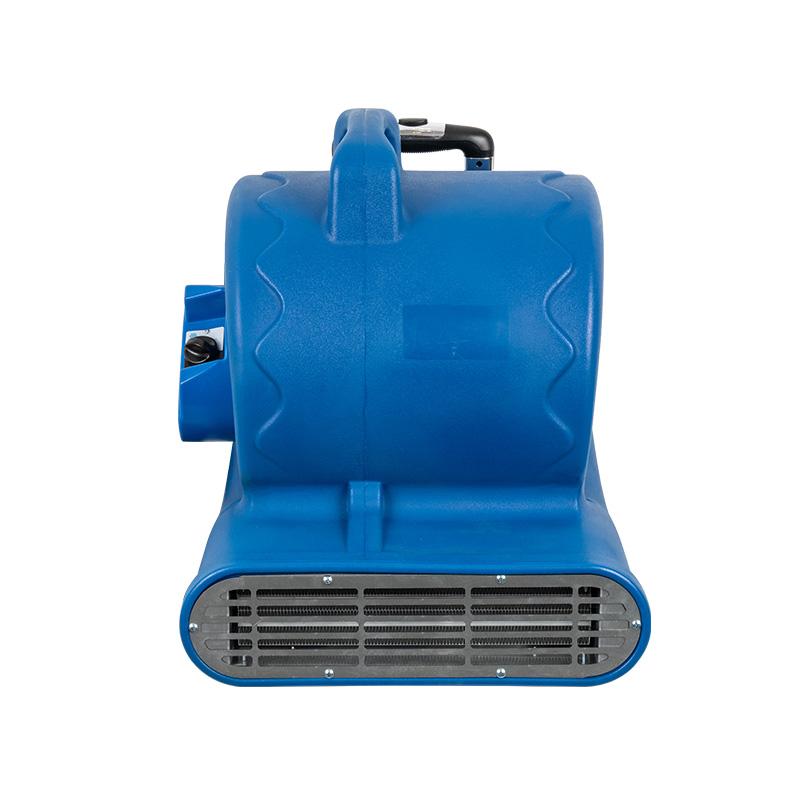
AM-A02 Multi-wing Centrifugal Wind Wheel Carpet Dryers effectively increase wind power and airflow for faster and more efficient carpet drying through the use of multi-wing centrifugal wind wheel tech...
See Details
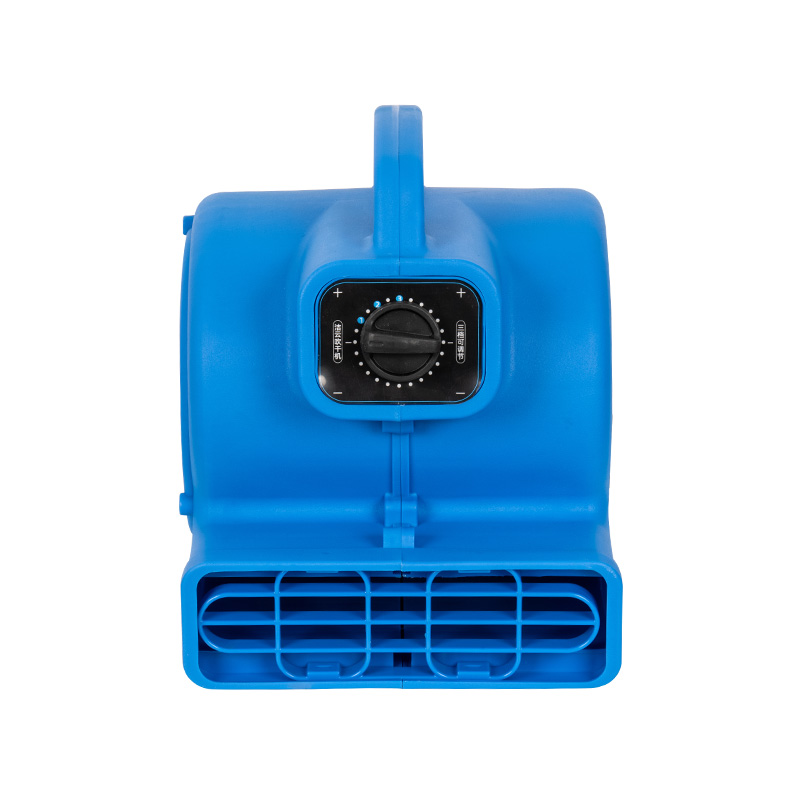
The AM-A03 Small Axial Floor Carpet Dryer is a highly efficient and versatile drying unit with a centrifugal air mover for faster surface drying. Not only is it suitable for drying carpets, floors, fu...
See Details
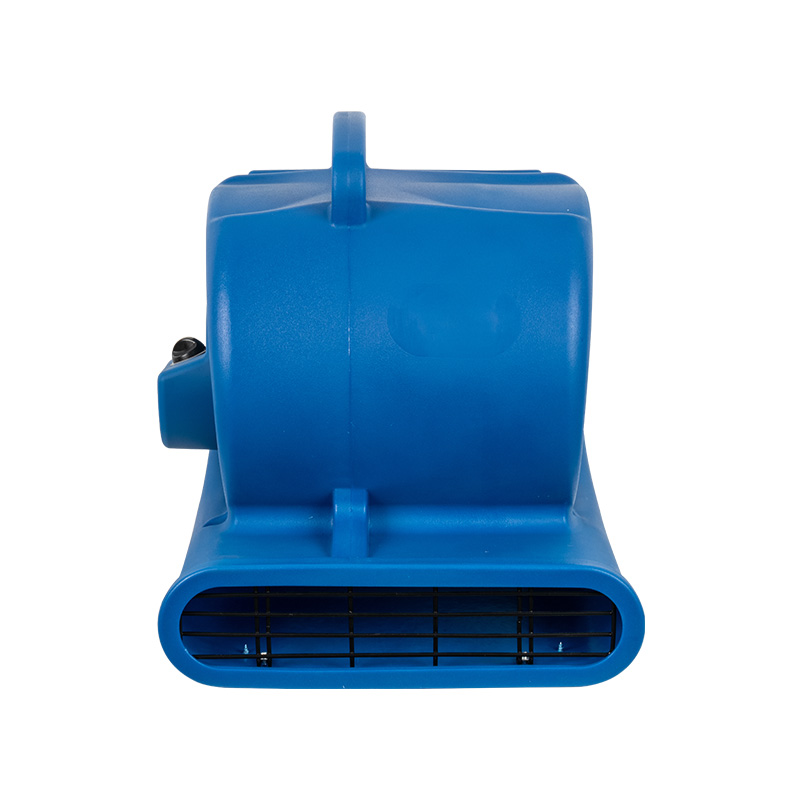
The AM-A04 Lightweight Portable Carpet Wall Floor Dryer features advanced centrifugal air movement technology for faster surface drying results. Not only is it suitable for a wide range of carpet, flo...
See DetailsStore Information
No. 88, Yuexin Road, Sanjiang Street, Shengzhou City, Shaoxing City, Zhejiang Province, China
+86-13819532379
Links
Products
Mobile Terminal