Content
Inline duct fans are one of the most useful tools for moving air through long, twisting ductwork without relying on a single main blower. Whether you are improving a home ventilation system, upgrading commercial air distribution, or removing stale air from a basement, an inline duct fan can quietly and efficiently keep air flowing in the right direction. In this guide, we explain how these fans work, what makes them different from related duct accessories, and how to choose the right one.
An inline duct fan is a compact fan unit that sits directly inside a round duct run. Instead of being mounted on a wall, ceiling, or roof, it is placed in line with the ductwork, between sections of flexible or rigid duct. The fan has a cylindrical housing with an inlet on one side and an outlet on the other.
Inside the housing, a motor drives an impeller. When the motor is turned on, the impeller spins and creates a low-pressure zone at the inlet. Air from the room or outside is drawn into the housing and then pushed out through the outlet into the downstream duct. This pressure difference is what makes the air travel along the duct, even if the route includes bends or a significant length of pipe.
Most inline duct fans use a mixed-flow impeller to move air. A mixed-flow design combines the high air movement of an axial fan with the pressure-building ability of a centrifugal fan. When the impeller rotates, the blades push air both forward and outward, producing a smooth airstream that can overcome the resistance of duct bends, filters, and long straight runs.
Here is the simple sequence of events during operation:
Because the fan is located within the duct itself, it works consistently in almost any orientation. Horizontal, vertical, or slightly restricted installations still allow the impeller to create a useful pressure difference. For especially quiet environments, a silent inline duct fan design reduces noise by using a low-speed EC motor and an aerodynamically shaped mixed-flow impeller.
Although inline duct fans are simple machines, they rely on several well-designed components to provide reliable airflow:
In many ways, an inline duct fan is a self-contained ventilation module: you connect a duct to each side, provide power, and the fan does the rest.
Inline duct fans are used wherever a dedicated air path is needed. One of the most common jobs is boosting airflow to rooms that are far from the main HVAC unit. Long supply ducts can lose pressure before the air reaches the last register, and a well-sized inline fan can push the air further to create more even comfort.
These fans also help in places where standard wall fans cannot be installed. In a kitchen, a bathroom, a workshop, or a basement, an inline fan can be mounted in the ceiling void and connected to a remote vent. This keeps the unit out of sight and reduces noise in the living area. For a broader view, read more about how duct fans improve air distribution and temperature control.
Inline duct fans are also useful in grow rooms, drying rooms, storage areas, and commercial ventilation systems that need a constant exchange of air.
People often use the terms "inline duct fan" and "duct booster fan" as if they were the same product, but there are important differences. A duct booster fan is usually a small axial fan that sits inside a section of duct to assist the main HVAC system. It adds a modest push to airflow that already exists, making it a practical solution for weak registers or undersized supply runs.
An inline duct fan, by contrast, is designed to work as the main mover of air in a dedicated duct run. Its mixed-flow impeller and more powerful motor allow it to generate higher pressure and move larger air volumes, even through longer and more complex ductwork. If the goal is simply to strengthen airflow from an existing register, a booster fan may be enough. If you need a complete ventilation path, an inline duct fan is usually the better tool.
For a closer look at the technical differences between duct-mounted fan types, you can review the duct fan vs exhaust fan comparison.
Selecting an inline duct fan is not only about physical size. You need to consider airflow, static pressure, noise, and control options.
The table below shows a few duct fans with different design focuses. In our line, a variable-speed model is often the first choice for projects where airflow has to be balanced against noise.
| Duct Fan Model | Design Focus | Best For |
|---|---|---|
| DUFA01 Speed-Adjustable Ventilation Duct Fan | Variable speed control | Adjustable airflow in daily operation |
| DUFA03 Oblique-Flow Mute Duct Fan | Muted mixed-flow design | Noise-sensitive residential and office spaces |
| DUFA04 Low-Noise Axial Duct Fan | Low-noise axial architecture | Lighter duty duct runs with moderate airflow needs |
| DUFA05 Ventilation Silent Inline Duct Fan | Silent inline operation | Continuous ventilation with minimal disturbance |
Installing an inline duct fan is straightforward when the ductwork is planned carefully. Place the fan in an accessible location so you can reach the motor and wiring for servicing. Secure each end of the fan to the duct with clamps or flanges, and use sealing material where needed to prevent air leaks.
Try to keep the duct run as direct as possible. Sharp bends, narrow transitions, and long stretches of flexible ducting increase resistance and reduce fan performance. If the installation is part of a new system, an airflow ventilation kit can provide the necessary ducting, mounting, and connection parts in one package.
Routine maintenance is simple. Inspect the impeller for dust buildup, clean the housing when necessary, and check that the motor is free of debris. A clean inline duct fan will maintain its airflow rating and remain quieter over time.
Inline duct fans work because they create a pressure difference that pushes air through the duct system. The mixed-flow impeller, driven by an efficient EC motor, makes them suitable for boosting airflow, creating dedicated ventilation paths, and improving indoor comfort. Whether you are addressing an undersized supply run or installing a complete air movement system, choosing the right inline duct fan starts with understanding how it operates and what it is designed to do.
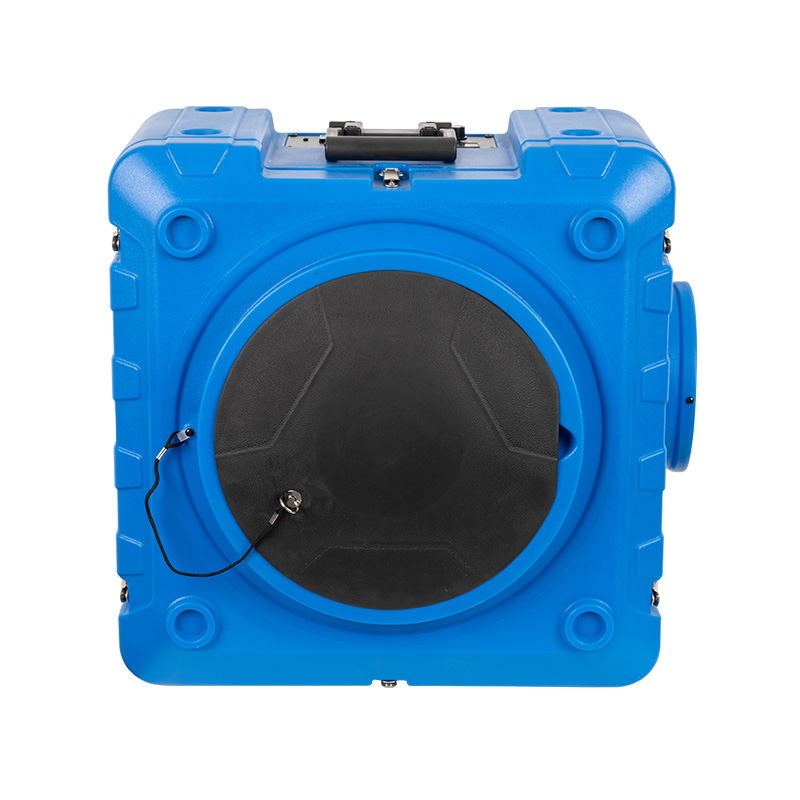
Three-Stage Filtration: The air scrubber features a three-stage filtration system that includes a pre-filter (MERV-10), carbon filter, and H13 HEPA filter. It effectively removes dust, pollen, smoke, ...
See Details
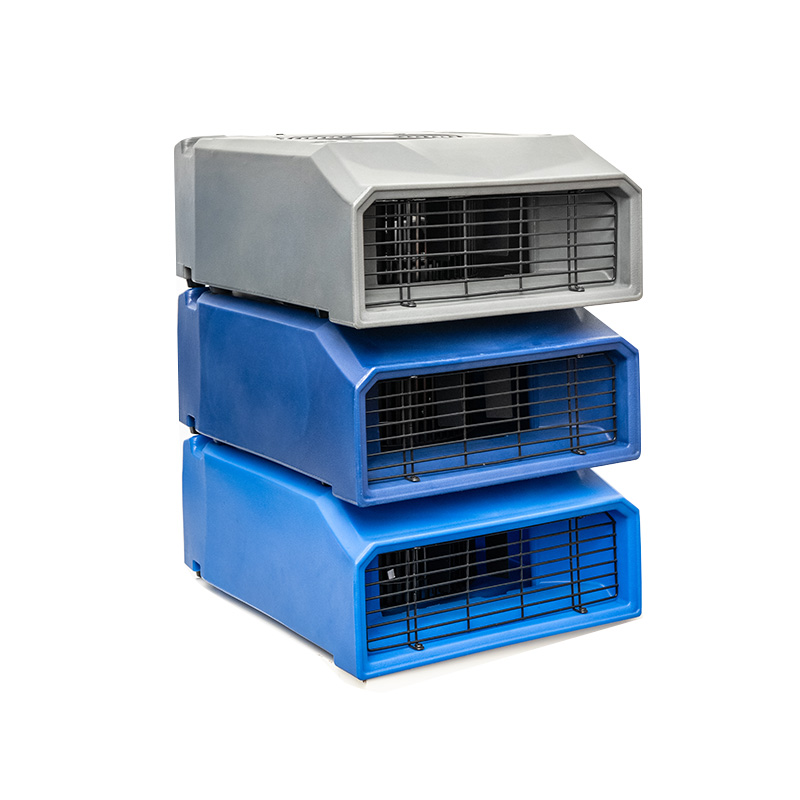
The AM-B01 High Air Volume Thin Carpet Dryers are equipped with a powerful motor that generates a high volume of airflow to ensure that your carpet dries thoroughly and quickly. This high air volume n...
See Details
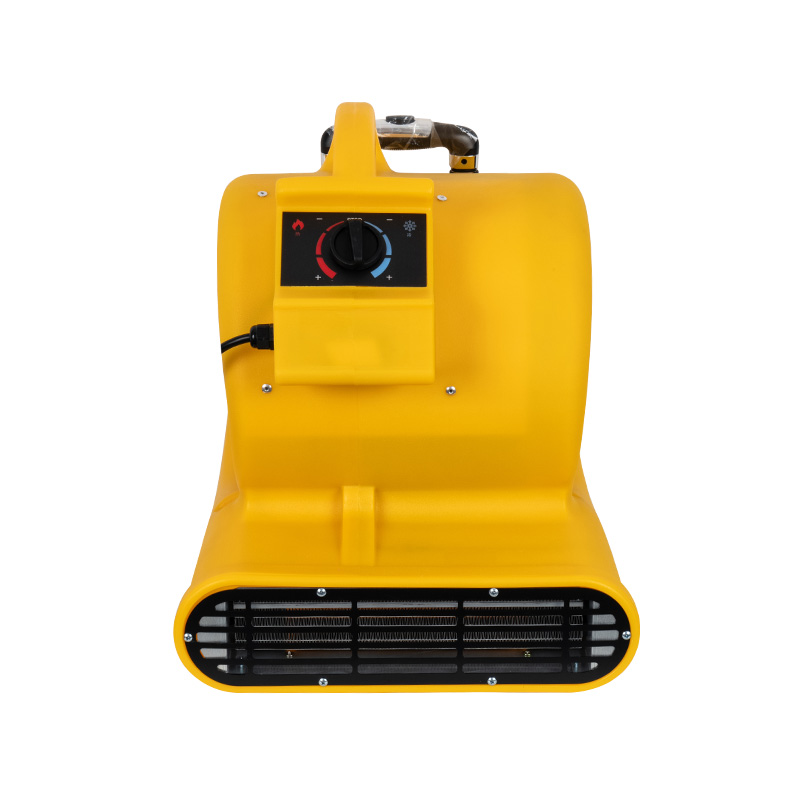
The AM-A01 Hot and Cold Carpet Drying Fans are versatile units designed to speed up the carpet drying process by utilizing hot and cold air. Combining the benefits of hot and cold air circulation, the...
See Details
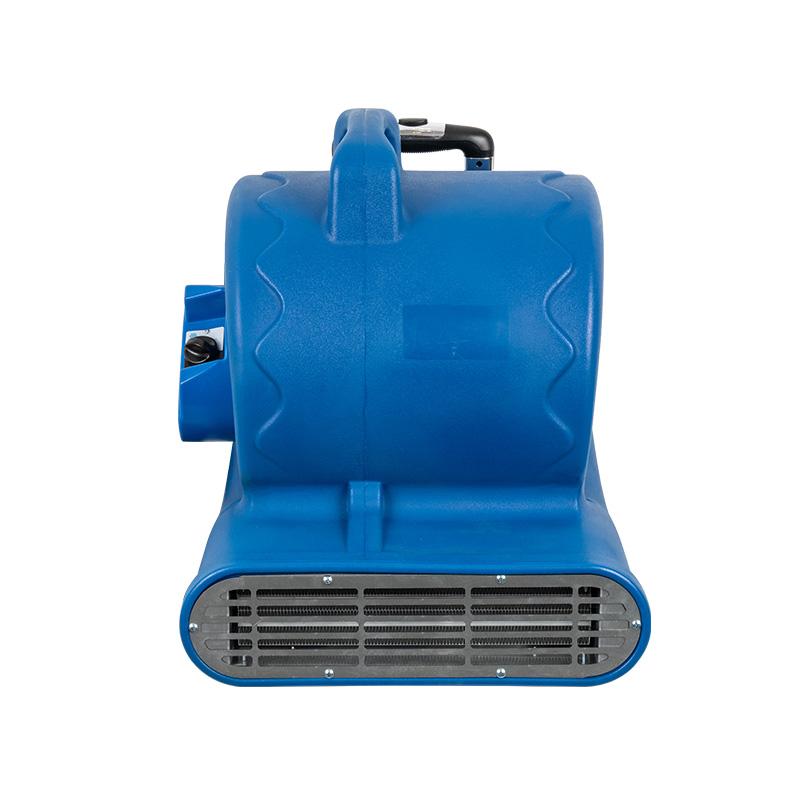
AM-A02 Multi-wing Centrifugal Wind Wheel Carpet Dryers effectively increase wind power and airflow for faster and more efficient carpet drying through the use of multi-wing centrifugal wind wheel tech...
See Details
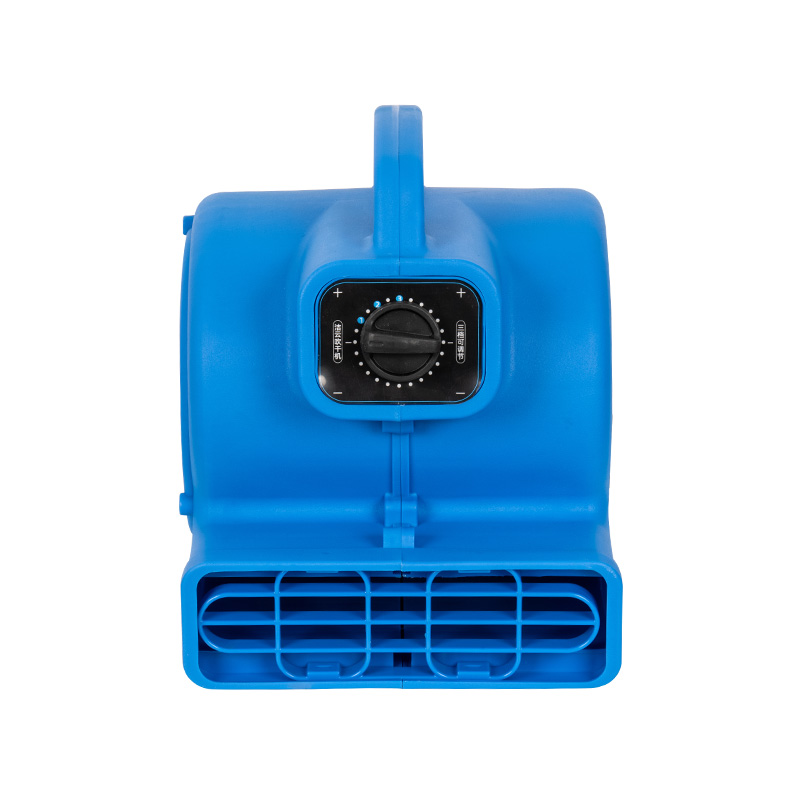
The AM-A03 Small Axial Floor Carpet Dryer is a highly efficient and versatile drying unit with a centrifugal air mover for faster surface drying. Not only is it suitable for drying carpets, floors, fu...
See Details
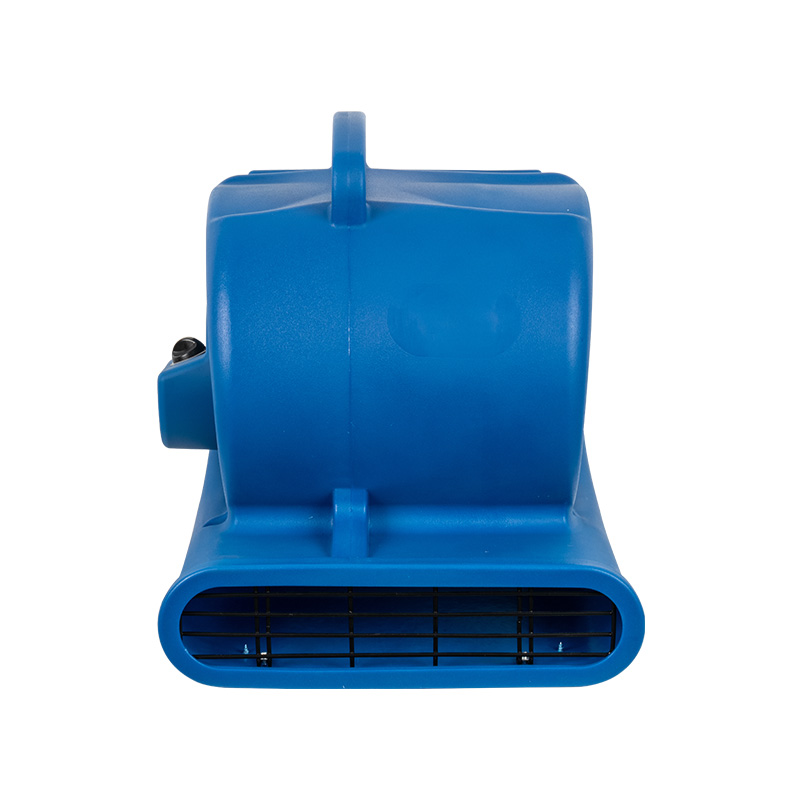
The AM-A04 Lightweight Portable Carpet Wall Floor Dryer features advanced centrifugal air movement technology for faster surface drying results. Not only is it suitable for a wide range of carpet, flo...
See DetailsStore Information
No. 88, Yuexin Road, Sanjiang Street, Shengzhou City, Shaoxing City, Zhejiang Province, China
+86-13819532379
Links
Products
Mobile Terminal