
 English
 русский
 Deutsch
 Español

News
Home / News / Industry News / How Does a Blower Fan Work? Motor, Wheel, Housing and Airflow Explained
Content
A blower fan is the part of an air system that actually moves the air. Most explanations stop at "a motor spins a wheel and air comes out," which is true but not much help when you want to understand why one machine dries a wet carpet in an hour while another barely stirs the room.
The honest answer is that a blower fan works in two stages. It creates a low-pressure area at the centre of its wheel so air has a reason to come in, then throws that air outward and gathers it in a housing that turns speed into pressure. The motor, the bearings, the grille and the speed control all exist to support those two steps.
Here is the full sequence, the parts involved, and the practical details that decide how much air you actually get.
Three conversions happen one after another: electricity becomes rotation, rotation becomes fast-moving air, and fast-moving air becomes pressure. Follow the air and the order makes sense.
Once you know the sequence, the components are easy to remember, because each one has a single job.
| Part | Job | Typical sign of trouble |
|---|---|---|
| Motor | Turns electrical power into rotation | Humming without spinning; weak airflow at every speed |
| Impeller (wheel) | Draws air in and throws it outward | Vibration, rattle, or airflow that drops as dust builds up |
| Housing (scroll) | Collects air and converts speed into pressure | Air leaks at seams; rattling panels; lost discharge pressure |
| Inlet eye | Gives air a clean path into the wheel | Restricted intake; noisy, uneven airflow |
| Bearings and shaft | Keep the wheel spinning smoothly and centred | Grinding noise, play in the shaft, heat around the motor |
Most airflow complaints trace back to one of these rows. A dusty wheel, a blocked inlet or a worn bearing all show up as the same symptom: less air than before.
Not every blower fan throws air sideways. The two common families are centrifugal and axial, and the difference is the path the air takes.
A centrifugal blower pulls air in at the centre and pushes it out at the rim. It handles resistance well, which is why it is the standard choice for ducted systems, heaters and air handlers.
An axial fan pulls air straight through its blades, the way a propeller does. It moves a large volume of air at low pressure, which suits open spaces and spot drying. Our note on the working principle of axial flow fans covers the mechanics in more detail.
| Feature | Centrifugal blower | Axial blower |
|---|---|---|
| Air path | In at the centre, out at the rim | Straight through, front to back |
| Pressure | Higher; can push through ducts and filters | Lower; best in open air |
| Volume | Good, usually less than a large axial fan | Very high for the size of the unit |
| Typical use | Air handlers, ducted drying, ventilation systems | Floor drying, spot cooling, workshops |
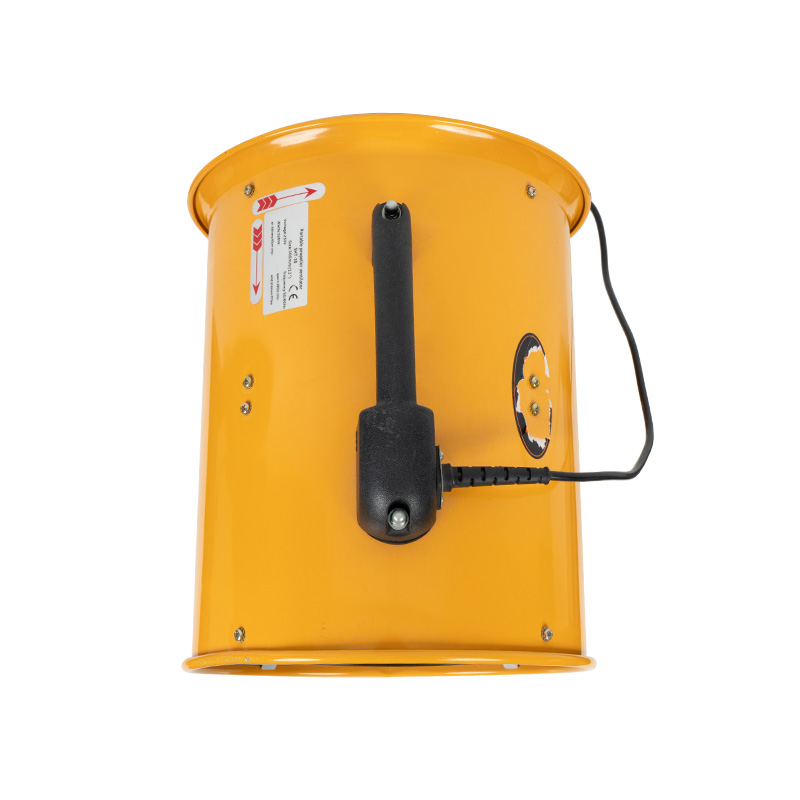 AB-A01 Portable Axial Flow Iron Shell FanIndustrial portable axial fan with steel frame and optional duct, suited to ventilation, spot drying and air circulation across workshops and other open spaces.View Product →
Equipment such as the ABA01 iron-shell axial blower is built on that straight-through idea, with a steel frame that keeps the wheel aligned when the unit is moved from job to job.
Two blower fans with the same motor can perform very differently. Five things usually explain the gap:
This is also why a blower fan feels stronger than a desk fan of similar size. The desk fan is built for volume in open air, while the blower is built to keep air moving even when something is in the way.
The same working principle appears across a lot of equipment, and the differences between products come down to housing shape, wheel type and how the air is aimed.
When a carpet, floor or wall is wet, the task is to replace the humid layer of air sitting against the surface with drier air, over and over. A blower fan does this well because it can push a fast, narrow stream across the surface instead of simply circulating air in the room.
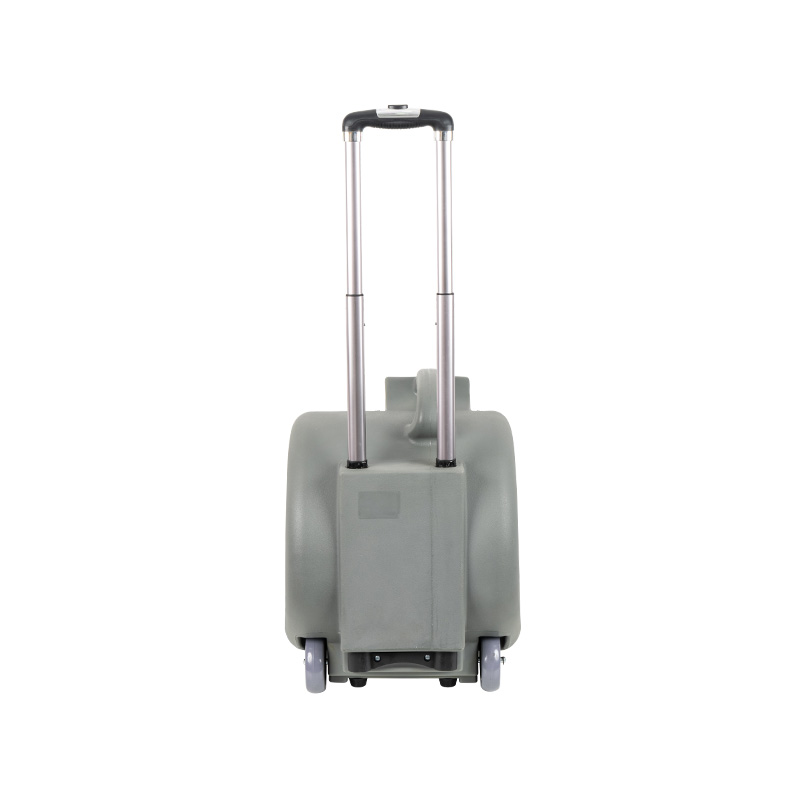 AM-A01 Hot and Cold Carpet Drying FanAdjustable hot and cold blower with multi-angle airflow, intended to push fast air across wet carpets, floors and walls for faster surface drying.View Product →
A model such as our AMA01 carpet drying fan follows that logic, with an adjustable angle and a choice of hot or cold airflow so the operator can match the unit to the surface and the room.
In ducted systems the fan has to overcome the resistance of the duct run, the bends and any filters in the path. That is centrifugal or high-pressure axial territory, which is why duct fans are selected on pressure as much as on airflow.
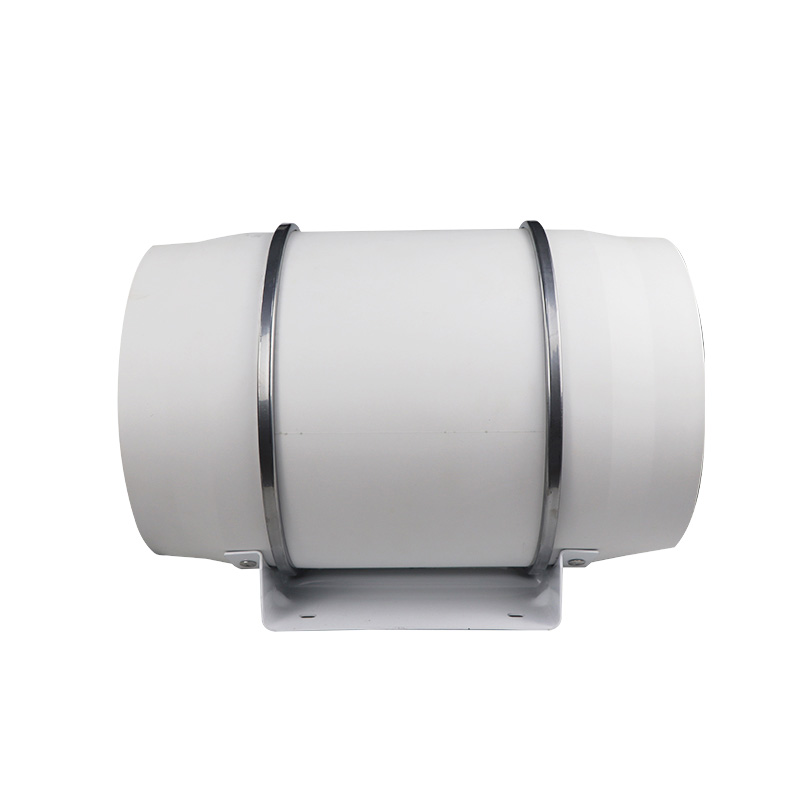 DUF-A04 Low Noise Axial Duct FanDuct-mounted axial fan with intelligent temperature control and quiet operation, designed for long-run ventilation in grow rooms, basements, kitchens and similar small spaces.View Product →
Quiet models such as our Dufa04 low-noise axial duct fan are installed where the unit runs for long hours and noise would otherwise become the main complaint.
Negative air machines and dehumidifiers use the same blower principle for a different purpose. An air scrubber pulls contaminated air through filters, and a dehumidifier pulls moist air across a cold coil so the water condenses out. In both cases the fan keeps working against the resistance of a filter or a coil, which is why these units are usually built around a centrifugal blower.
Blower fans are durable, but they reward a little attention. A few habits keep airflow where it should be:
Not in terms of airflow. The same wheel and housing move the air; the difference is what happens before it. In heating mode the air passes over a hot heat exchanger and in cooling mode over a cold coil, but the blower's job is unchanged.
Because the wheel is pushing against more resistance than it was designed for. The motor keeps turning at the same speed, but the pressure it generates is now being spent on the filter instead of on moving air.
Yes, if it is wired incorrectly or the wheel is fitted the wrong way round. The unit still moves air, but far less than it should, and it often sounds different. If a new installation underperforms, checking rotation direction is one of the first things worth doing.
Understanding how a blower fan works comes down to one idea: a spinning wheel creates a pressure difference, and the housing turns that difference into a directed stream of air. Once that clicks, the choices between one unit and another become practical questions about resistance, distance and noise rather than guesswork.
If you are comparing equipment for drying, ventilation or air cleaning and want a second opinion on which type suits the job, feel free to browse our air movers and related equipment or talk to the people who build them.
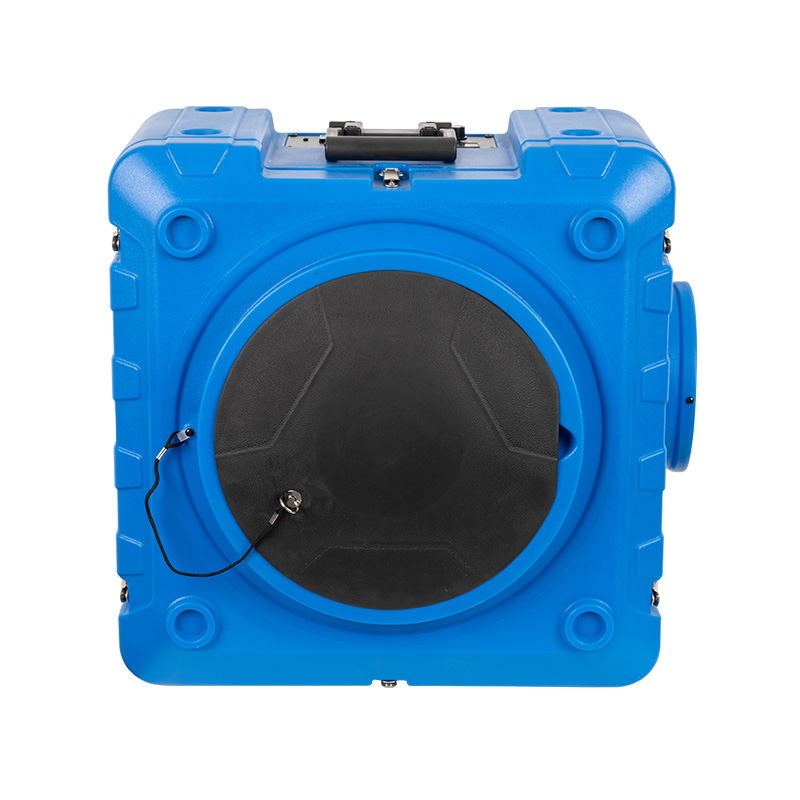
Three-Stage Filtration: The air scrubber features a three-stage filtration system that includes a pre-filter (MERV-10), carbon filter, and H13 HEPA filter. It effectively removes dust, pollen, smoke, ...
See Details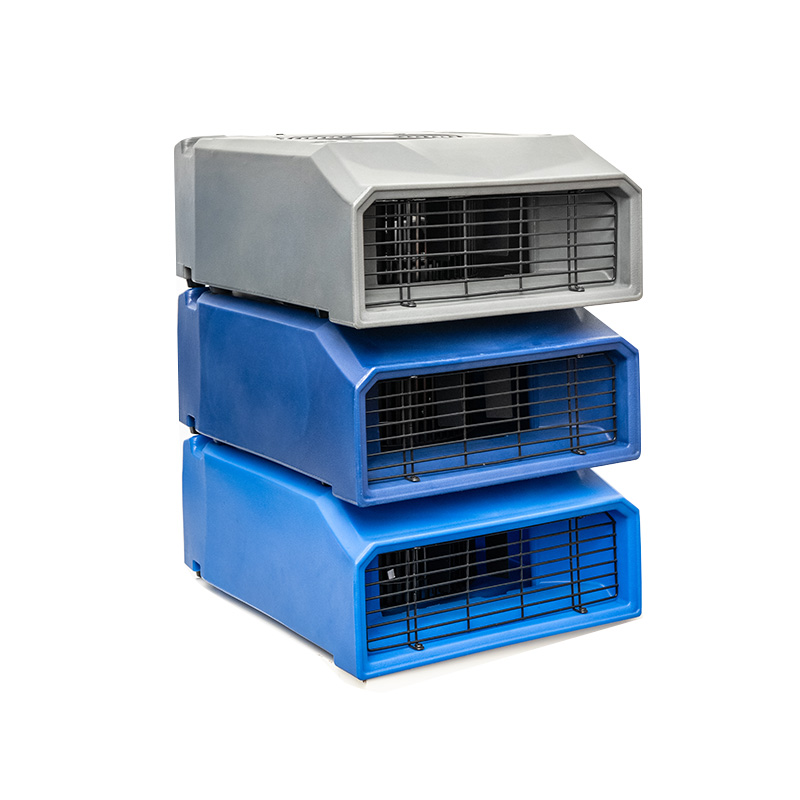
The AM-B01 High Air Volume Thin Carpet Dryers are equipped with a powerful motor that generates a high volume of airflow to ensure that your carpet dries thoroughly and quickly. This high air volume n...
See Details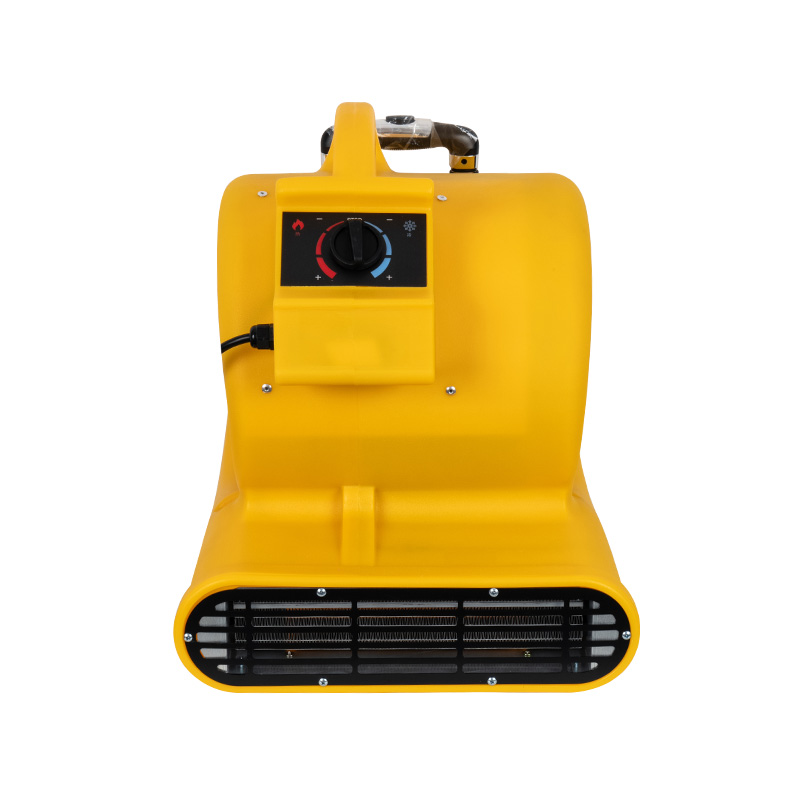
The AM-A01 Hot and Cold Carpet Drying Fans are versatile units designed to speed up the carpet drying process by utilizing hot and cold air. Combining the benefits of hot and cold air circulation, the...
See Details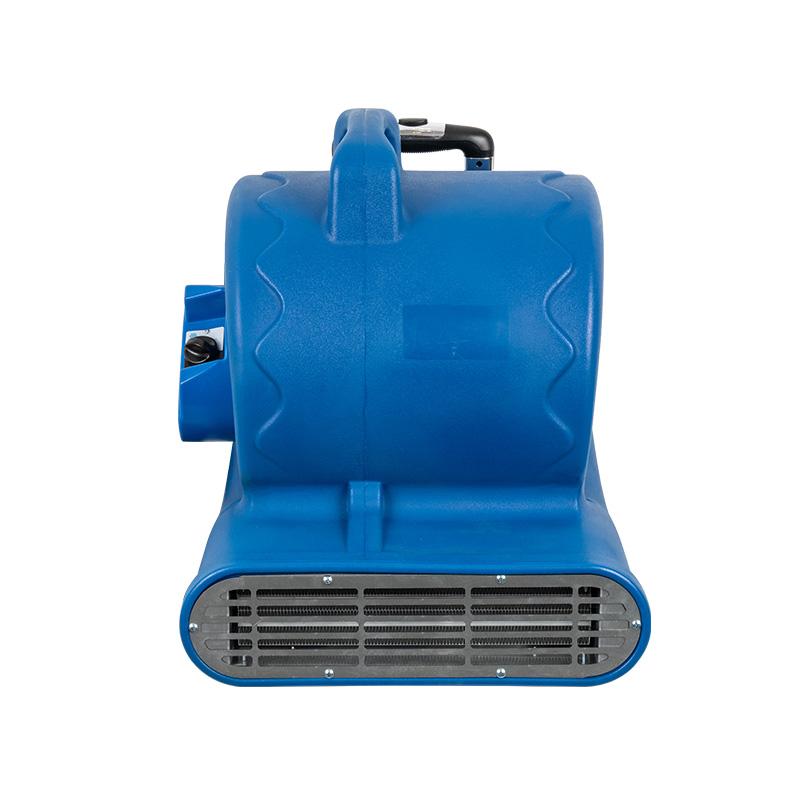
AM-A02 Multi-wing Centrifugal Wind Wheel Carpet Dryers effectively increase wind power and airflow for faster and more efficient carpet drying through the use of multi-wing centrifugal wind wheel tech...
See Details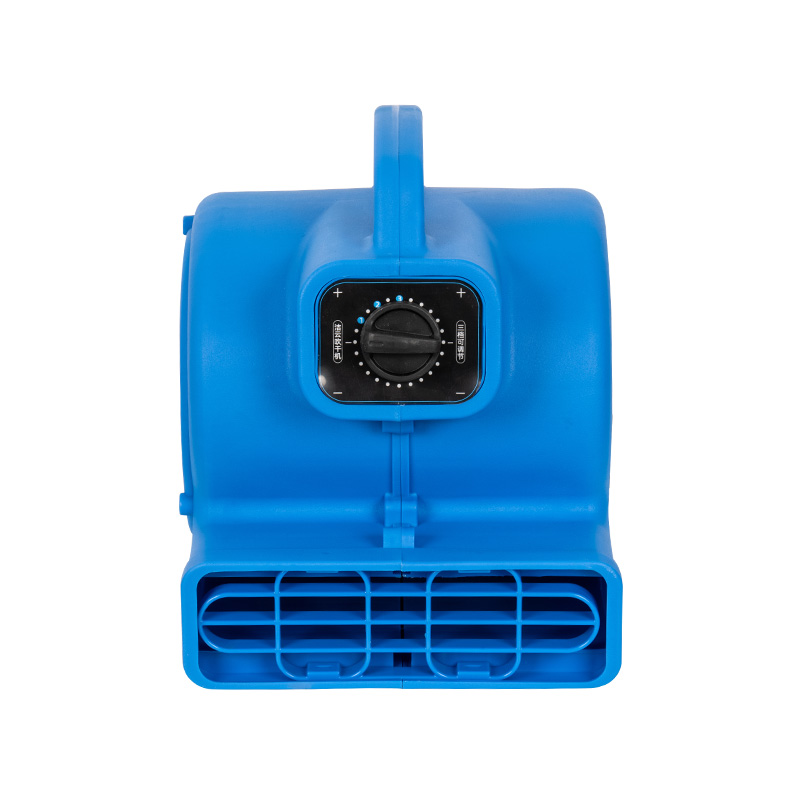
The AM-A03 Small Axial Floor Carpet Dryer is a highly efficient and versatile drying unit with a centrifugal air mover for faster surface drying. Not only is it suitable for drying carpets, floors, fu...
See Details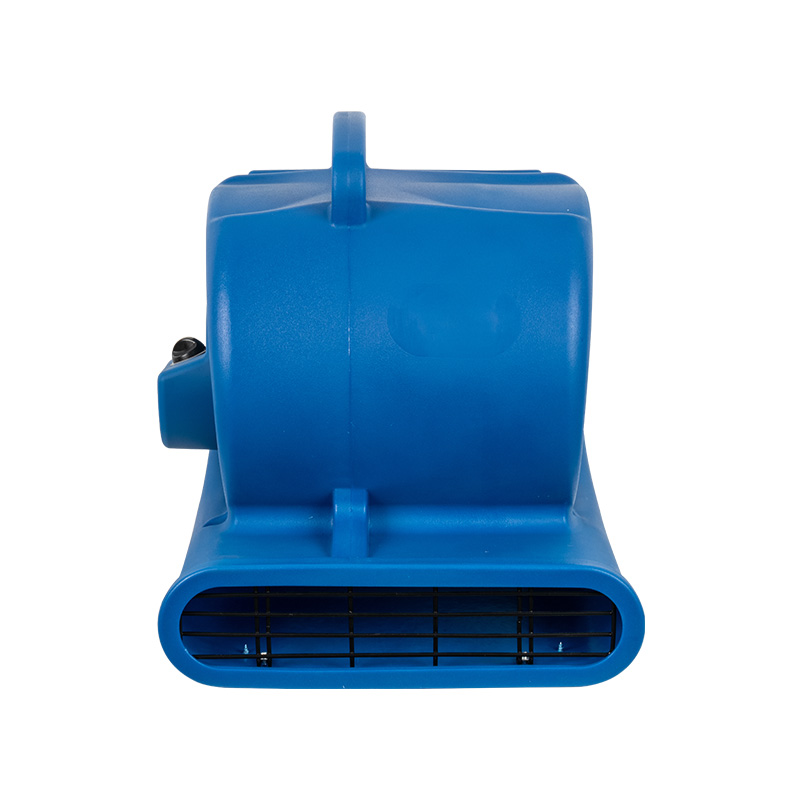
The AM-A04 Lightweight Portable Carpet Wall Floor Dryer features advanced centrifugal air movement technology for faster surface drying results. Not only is it suitable for a wide range of carpet, flo...
See DetailsStore Information
No. 88, Yuexin Road, Sanjiang Street, Shengzhou City, Shaoxing City, Zhejiang Province, China
+86-13819532379
Links
Products
Mobile Terminal
