
 English
 русский
 Deutsch
 Español

News
Home / News / Industry News / how does an air exchanger work: Applications, Selection Criteria, and Practical Guidance
Content
Air exchangers are often called the lungs of a modern home. They replace stale indoor air with fresh outdoor air while recovering most of the energy used to heat or cool that air. If you’ve ever wondered how does an air exchanger work, the short answer is: two air streams move through the unit at the same time, and a special core transfers heat and moisture between them without letting the airstreams mix. In this guide, we’ll break down the process step by step, look at the main components, and explain why balanced ventilation matters so much.
An air exchanger, also known as a heat recovery ventilator (HRV) or energy recovery ventilator (ERV), is a mechanical ventilation device. It continuously supplies fresh outdoor air while exhausting stale indoor air. Unlike opening a window, it does this in a controlled way, with filters, fans and a heat exchange core. The key job is to keep indoor air fresh without throwing away the energy you’ve already spent on heating or cooling.
Every air exchanger relies on a few essential parts working together:
Balanced ventilation often starts with efficient duct fans that keep both supply and exhaust streams moving steadily. From our years of manufacturing ventilation equipment, we can tell you that fan quality and noise level make a big difference once the unit is installed.
 Quiet Inline Duct Fan for Balanced VentilationThis silent duct fan supports balanced ventilation with multiple sizes and speeds, ideal for residential and light commercial spaces where quiet operation matters.View Product →
The principle is surprisingly simple. Imagine two airstreams moving side by side through a sealed core. The outgoing stream pulls stale, warm indoor air out; the incoming stream pulls fresh, cool outdoor air in. In winter, heat from the outgoing air transfers to the incoming air, so the fresh air arrives partially warmed. In summer, the reverse happens: heat moves from the incoming hot air to the outgoing cool air, helping keep indoor temperatures stable.
| Airstream | Source | Direction | What it carries |
|---|---|---|---|
| Supply air | Outdoor | Into living spaces | Fresh air plus recovered heat or moisture |
| Exhaust air | Indoor rooms | Out to outside | Stale air, moisture and pollutants |
HRVs mainly transfer heat. ERVs transfer both heat and moisture. In humid climates, an ERV reduces excess humidity in summer and helps keep moisture indoors in winter. In cold, dry winters, an HRV may be simpler and more efficient. Many modern systems come with bypass or defrost modes, so they can respond to changing outdoor conditions automatically.
Modern homes are tightly sealed to save energy, which traps pollutants. An air exchanger flushes out carbon dioxide, VOCs, dust, pet dander, and excess moisture while bringing in filtered fresh air. This reduces mold risk and makes the home more comfortable. In spaces where airborne particles are a concern, portable air scrubbers improve indoor air quality by pushing air through multi-stage filtration, catching allergens and fine dust that standard filters might miss.
 Three-Stage Negative Air Scrubber for Particulate ControlPortable air scrubber with MERV-10, carbon, and H13 HEPA filters captures allergens and smoke, suitable for renovation and restoration projects.View Product →
When choosing an exchanger, consider your climate, house size, and duct layout. In very humid conditions, an ERV or a separate dehumidifier may be needed. From our experience in the ventilation industry, we always remind buyers that maintenance matters as much as the unit itself. Clean or replace filters every three months, inspect the core yearly, and make sure condensate drains are clear. A well-maintained unit can last 15–20 years.
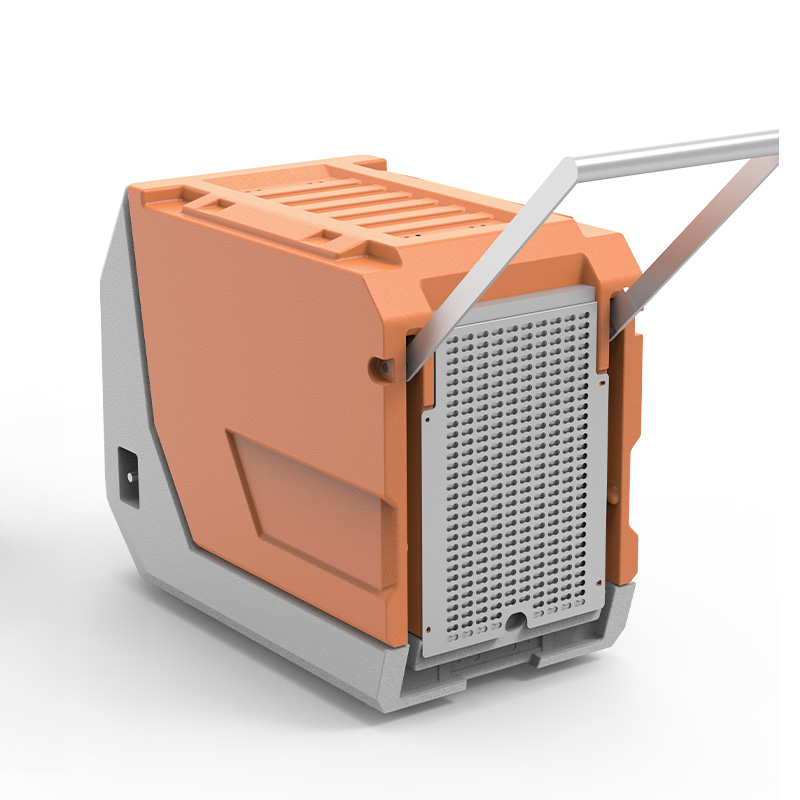 High-Capacity Ceiling-Mounted Duct DehumidifierDesigned for high-moisture spaces like pools and basements, this duct dehumidifier prevents mold and equipment damage with robust specs and ETL certification.View Product →
So how does an air exchanger work? It combines two simple ideas: keep the air moving and recover energy while you do it. By understanding the components, airflow path, and differences between HRV and ERV, you’re better prepared to choose a system that will keep your indoor environment fresh, healthy and comfortable all year long. Whether you’re planning a new installation or upgrading an existing one, reliable ventilation equipment makes all the difference.
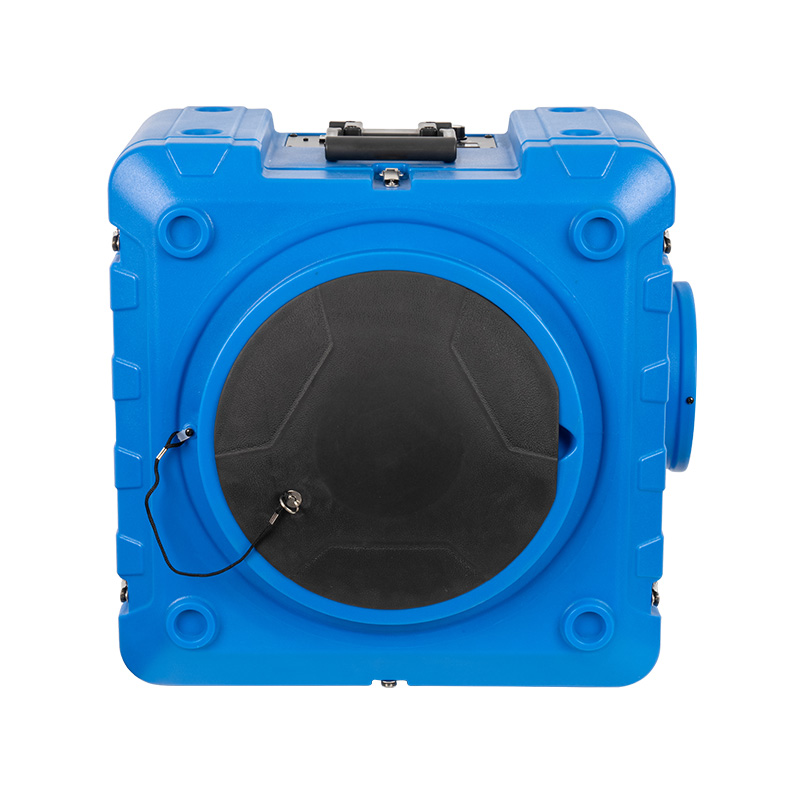
Three-Stage Filtration: The air scrubber features a three-stage filtration system that includes a pre-filter (MERV-10), carbon filter, and H13 HEPA filter. It effectively removes dust, pollen, smoke, ...
See Details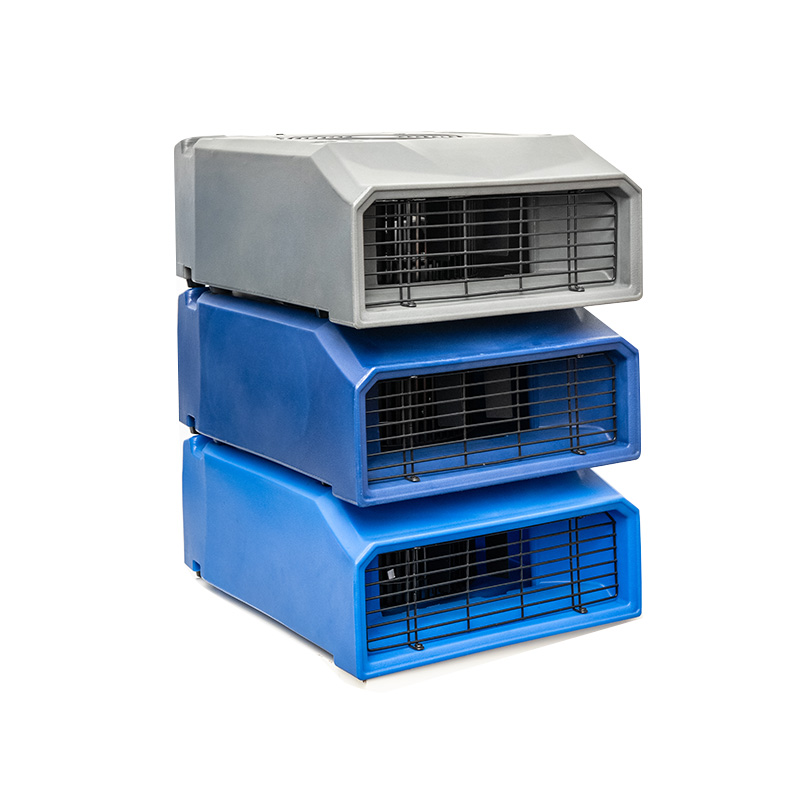
The AM-B01 High Air Volume Thin Carpet Dryers are equipped with a powerful motor that generates a high volume of airflow to ensure that your carpet dries thoroughly and quickly. This high air volume n...
See Details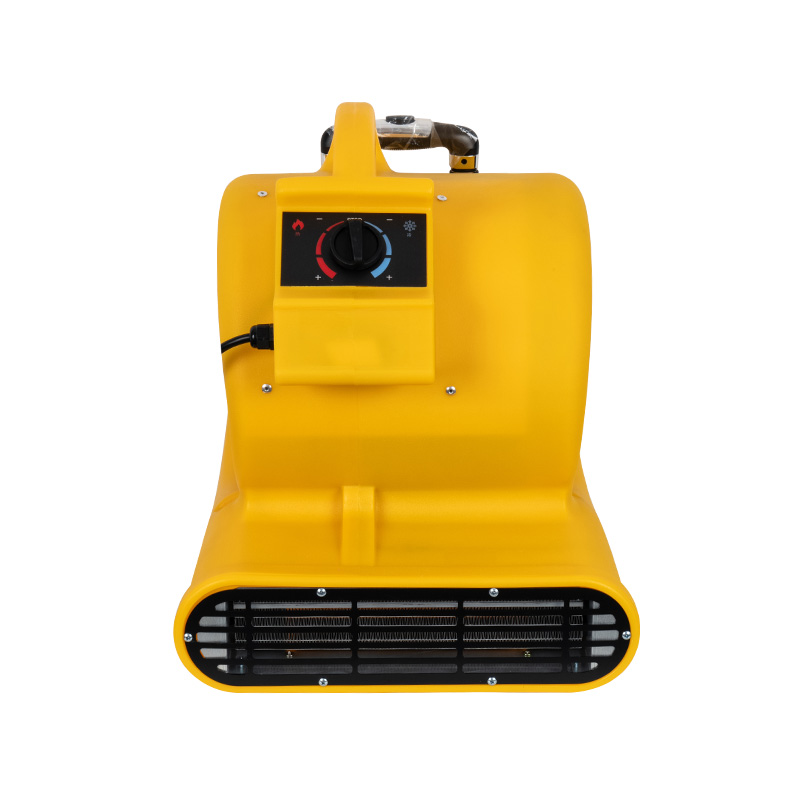
The AM-A01 Hot and Cold Carpet Drying Fans are versatile units designed to speed up the carpet drying process by utilizing hot and cold air. Combining the benefits of hot and cold air circulation, the...
See Details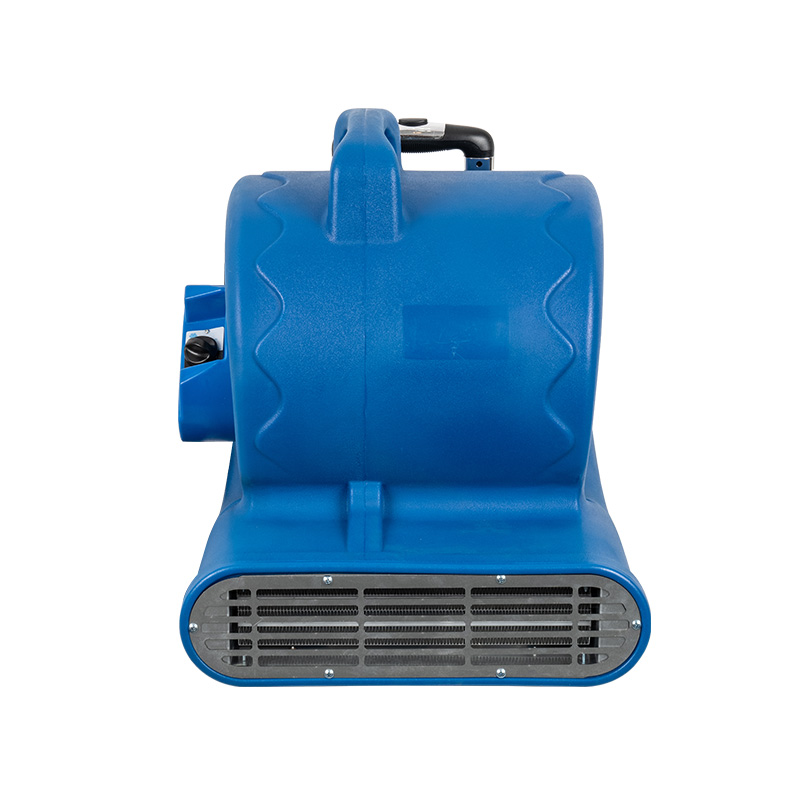
AM-A02 Multi-wing Centrifugal Wind Wheel Carpet Dryers effectively increase wind power and airflow for faster and more efficient carpet drying through the use of multi-wing centrifugal wind wheel tech...
See Details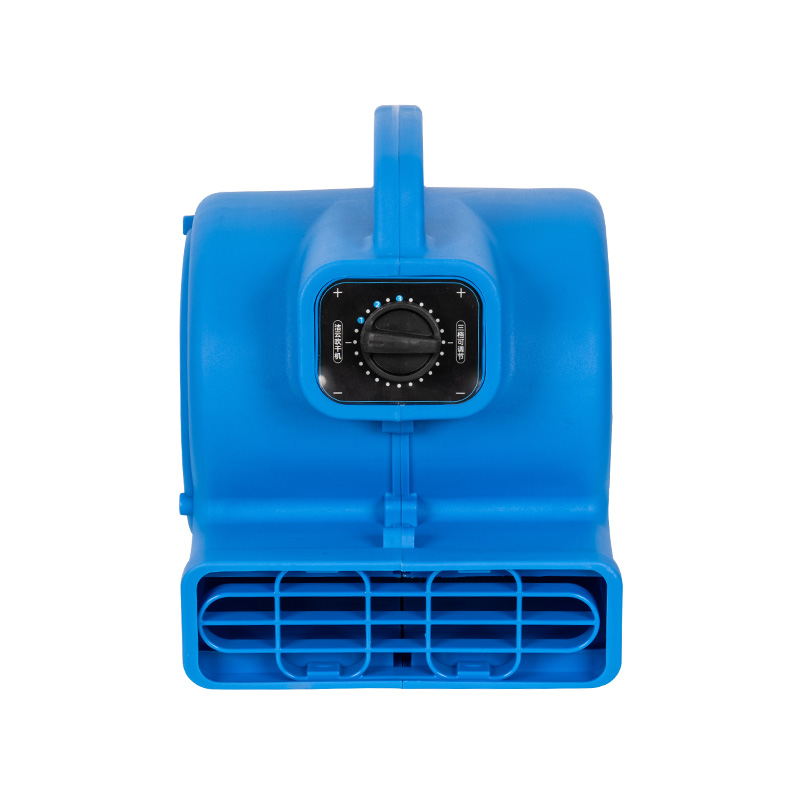
The AM-A03 Small Axial Floor Carpet Dryer is a highly efficient and versatile drying unit with a centrifugal air mover for faster surface drying. Not only is it suitable for drying carpets, floors, fu...
See Details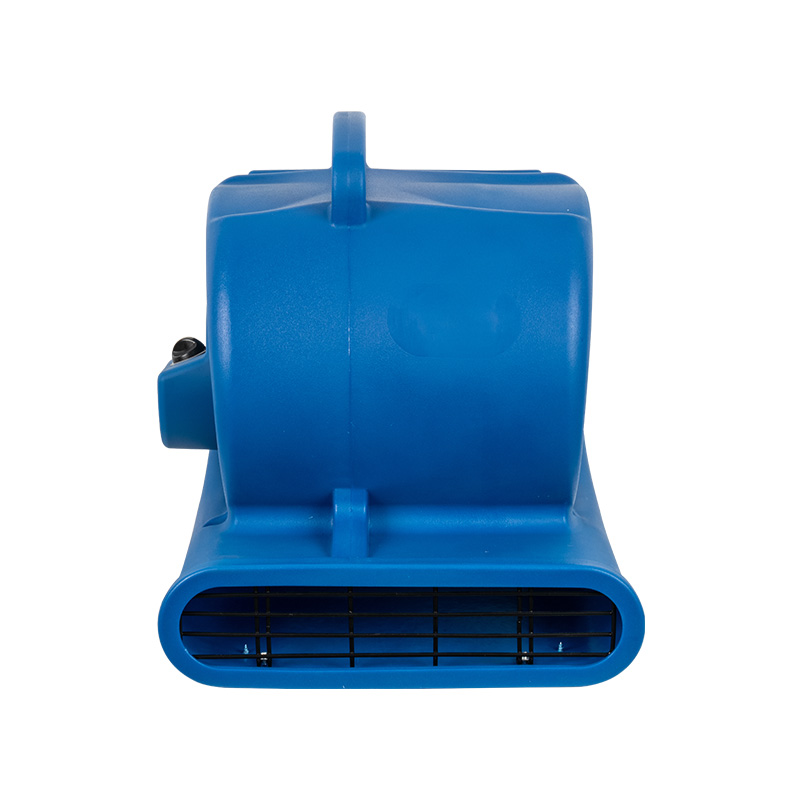
The AM-A04 Lightweight Portable Carpet Wall Floor Dryer features advanced centrifugal air movement technology for faster surface drying results. Not only is it suitable for a wide range of carpet, flo...
See DetailsStore Information
No. 88, Yuexin Road, Sanjiang Street, Shengzhou City, Shaoxing City, Zhejiang Province, China
+86-13819532379
Links
Products
Mobile Terminal
