
 English
 русский
 Deutsch
 Español

News
Home / News / Industry News / How Does an Air Scrubber Work? A Practical Guide to Airflow & Filtration
Content
When you step into a freshly restored basement or walk through a job site after a mold remediation crew has packed up, the machine that did the heavy lifting is usually gone. But if the air feels cleaner and the dust has settled, chances are an air scrubber spent hours quietly pulling contaminated air through its filters. So how does an air scrubber work, exactly? In simple terms, it uses a blower to draw air through a series of filters, trap the particles and pollutants, and release cleaner air back into the space. It is a straightforward concept, but the details make a real difference when you are choosing a unit for a job.
An air scrubber is a portable air cleaning device designed to remove dust, mold spores, odors, and other airborne contaminants from indoor air. It looks different from a typical fan or a lightweight home purifier for one important reason: it is built to move serious volumes of air while keeping a tight seal between the airstream and the filter stack.
Most commercial and industrial units work by creating negative pressure. The machine pulls air from the surrounding room, forces it through the filter stack, and pushes cleaned air out the other side. When the exhaust is directed outside through ducting, the scrubber also helps keep contaminated air from spreading into clean areas. That is why you will find them on fire restoration jobs, water damage drying, and demolition work.
Inside a typical portable air scrubber, the process can be broken into a few clear stages. Air enters through the intake grille, passes through progressively finer filters, then moves through the blower before leaving the machine. Each stage has a specific job.
| Stage | What It Captures | Role in the Process |
|---|---|---|
| Pre-filter | Dust, lint, larger debris | Protects the finer filters and extends their service life |
| HEPA or main filter | Fine particles, mold spores, allergens | Removes the contaminants that affect health most directly |
| Activated carbon | Odors, VOCs, chemical fumes | Adsorbs gases that pass straight through particle filters |
| Blower | Not a filtration stage | Drives the airflow that pulls air through the whole filter stack |
The blower is the heart of the system. It creates the pressure difference that pulls air in, and it determines how quickly the room gets cleaned. Airflow is usually expressed in cubic feet per minute (CFM). A higher CFM rating means more air passes through the filter stack every hour, which is the real measure of how fast a scrubber can clean a space.
When an air scrubber is set to negative air mode, the exhaust is vented outside through a window kit or duct. The room stays under slightly lower pressure than the surrounding areas, so airborne contaminants are far less likely to escape into hallways or occupied zones. This setup is standard for mold containment, asbestos abatement, and other projects where keeping dust inside the work area is the priority.
With the right filter combination, an air scrubber can handle a wide range of indoor air problems:
Keep in mind that an air scrubber is a mechanical filtration device. It captures particles in the filter media rather than chemically changing everything it touches. That is not a limitation; it is actually what makes the principle so reliable. As long as the filters are well sealed and replaced on schedule, the results are consistent and easy to measure.
You will often see air scrubbers and air purifiers mentioned together, and it is easy to confuse the two. The practical difference comes down to airflow, durability, and the kind of job they are designed for.
| Consideration | Air Scrubber | Air Purifier |
|---|---|---|
| Typical airflow | High, for whole rooms and job sites | Lower, for a single room |
| Filter setup | Pre-filter, HEPA, carbon; multiple stages | HEPA or carbon, often one stage |
| Build | Sealed housing, built for tough work sites | Lighter, designed for daily home use |
| Best for | Restoration, renovation, mold remediation | Continuous everyday air cleaning |
That is not to say one is always better than the other. A good home air purifier is a fine choice for day-to-day comfort. But when the goal is to clean the air quickly in a water-damaged room or a house under renovation, the higher airflow and multiple filter stages of an air scrubber make it the more practical tool.
Once you understand how an air scrubber works, the selection criteria become much clearer. Start with airflow: look for a CFM rating that matches the size of the space you need to clean. Then check how many filtration stages the unit offers. At minimum, you want a pre-filter and a HEPA-grade main filter. An activated carbon stage is a big plus if odors, smoke, or VOCs are part of the problem.
Portability matters too. Air scrubbers are moved from room to room, carried up stairs, and loaded in and out of vans, so a sensible handle design and a manageable weight make a real difference on a long day. The portable air scrubbers in our lineup are designed around these priorities, with dependable airflow, three stages of filtration, and a housing that survives the trip from the van to the job site.
The ASA0L negative air scrubber is a good example, with its three-level filtration system and dependable airflow for job-site use.
 AS-A01 Negative Air Scrubber with Three-Stage FiltrationThis portable scrubber uses pre-filter, carbon, and H13 HEPA layers to capture 99.97% of particles. Its lightweight design and foldable handle suit job-site painting and renovation.View Product →
New construction and renovation bring another common scenario: formaldehyde and other volatile compounds can linger long after the painting is done. A mobile air scrubber with a rolling base and an activated carbon stage is a practical answer there. The scrubbing principle is the same, high airflow and dense filter media, but the layout lets you wheel it straight into the room that needs it.
 Mobile Air Scrubber with Roller for Formaldehyde RemovalEquipped with a DC variable-frequency motor and activated carbon filtration, this wheeled unit targets lingering formaldehyde. Three models offer airflow up to 965 CFM for various spaces.View Product →
Before you decide, take a look at our detailed breakdown of how an air scrubber works in the industry news section. It goes a step deeper into the engineering and can be useful when comparing specifications.
Let us bring it back to the simple version. An air scrubber works because a blower creates controlled airflow, filters capture what you do not want in the air, and the machine keeps cycling the room's air until the space is clean. That is the principle whether you are drying out a flooded basement, polishing indoor air after a renovation, or keeping dust from spreading on a construction site. Get the basics right, airflow, filter stages, and setup, and the scrubbing takes care of the rest.
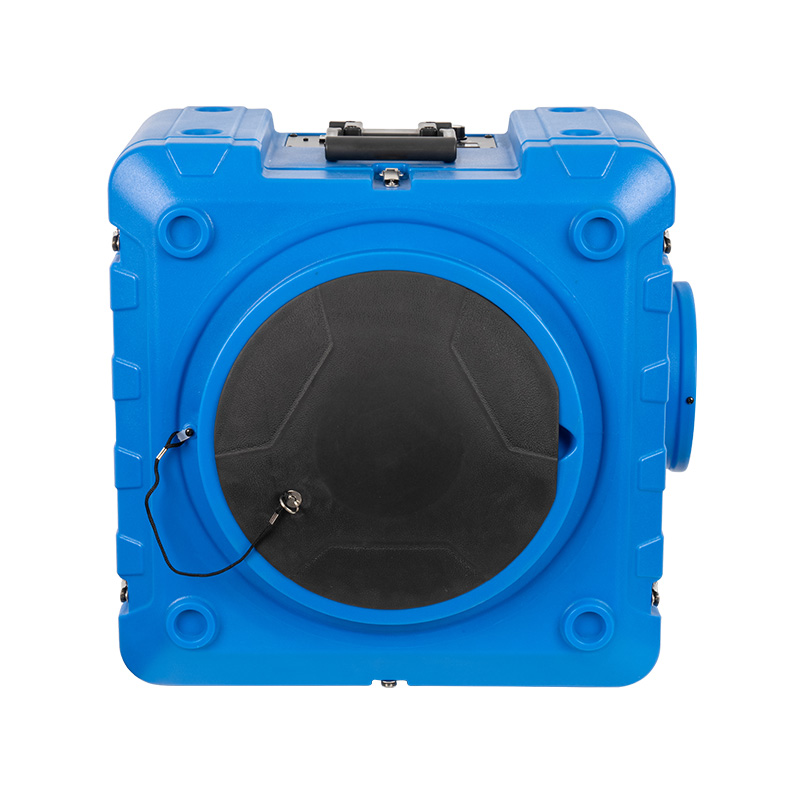
Three-Stage Filtration: The air scrubber features a three-stage filtration system that includes a pre-filter (MERV-10), carbon filter, and H13 HEPA filter. It effectively removes dust, pollen, smoke, ...
See Details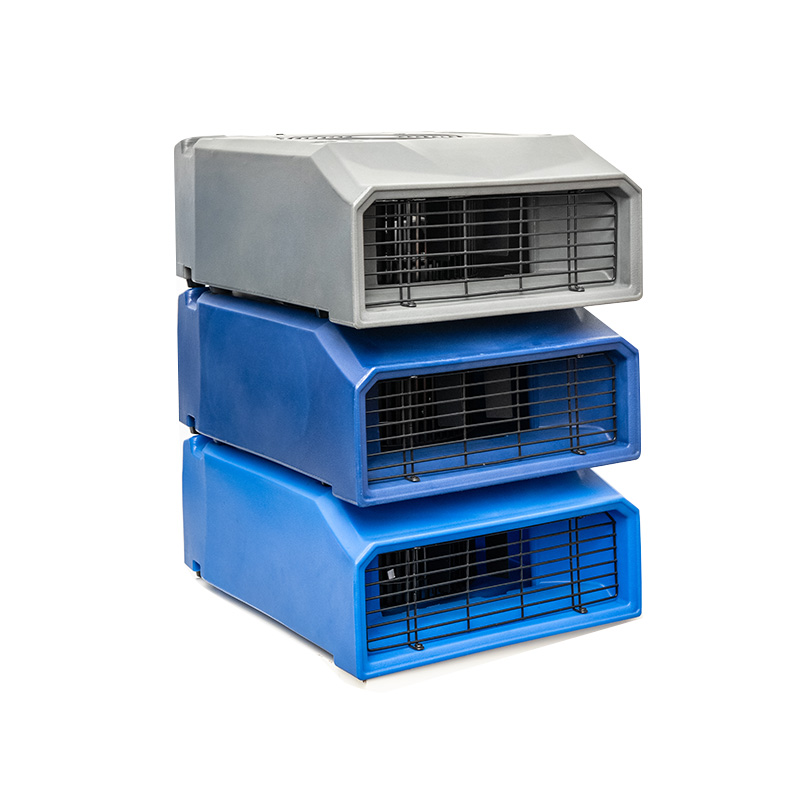
The AM-B01 High Air Volume Thin Carpet Dryers are equipped with a powerful motor that generates a high volume of airflow to ensure that your carpet dries thoroughly and quickly. This high air volume n...
See Details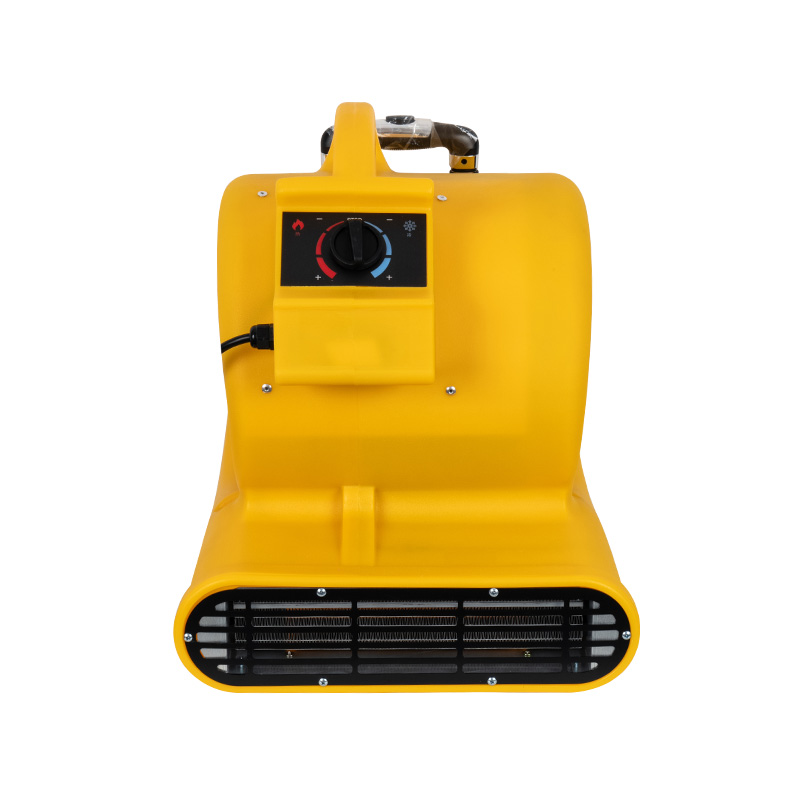
The AM-A01 Hot and Cold Carpet Drying Fans are versatile units designed to speed up the carpet drying process by utilizing hot and cold air. Combining the benefits of hot and cold air circulation, the...
See Details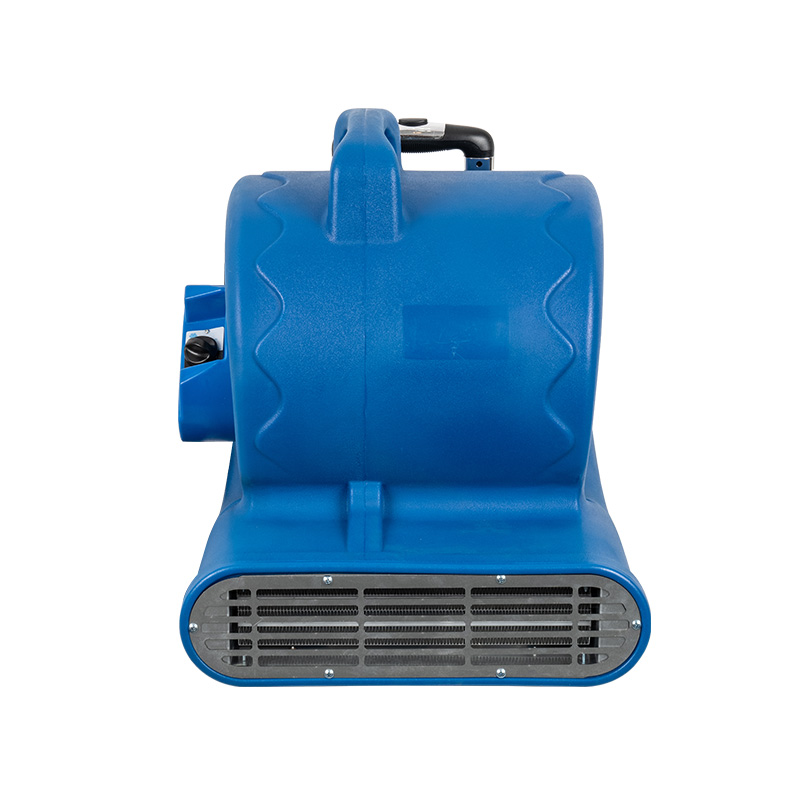
AM-A02 Multi-wing Centrifugal Wind Wheel Carpet Dryers effectively increase wind power and airflow for faster and more efficient carpet drying through the use of multi-wing centrifugal wind wheel tech...
See Details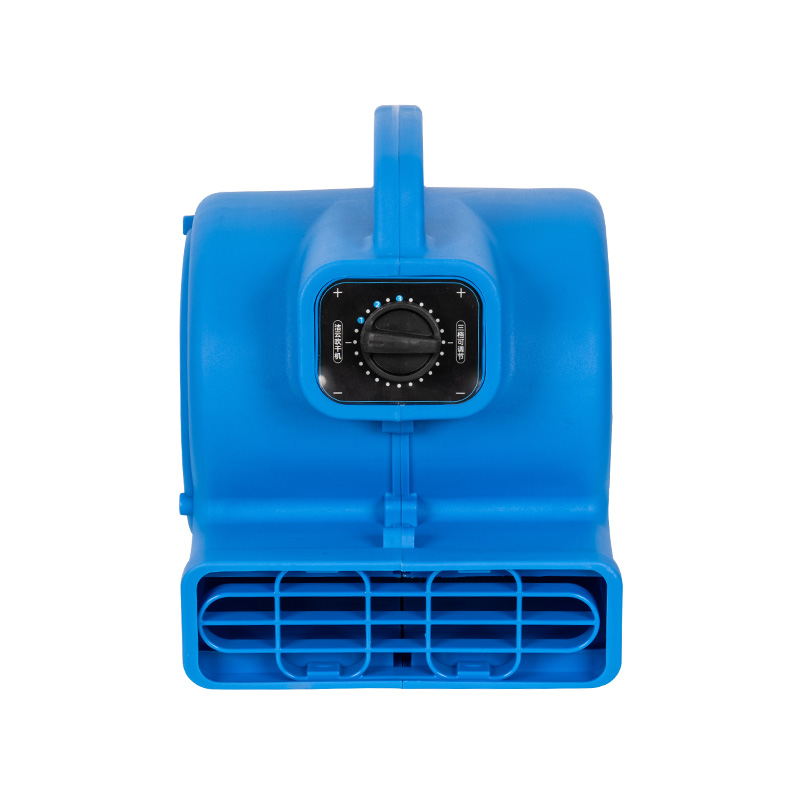
The AM-A03 Small Axial Floor Carpet Dryer is a highly efficient and versatile drying unit with a centrifugal air mover for faster surface drying. Not only is it suitable for drying carpets, floors, fu...
See Details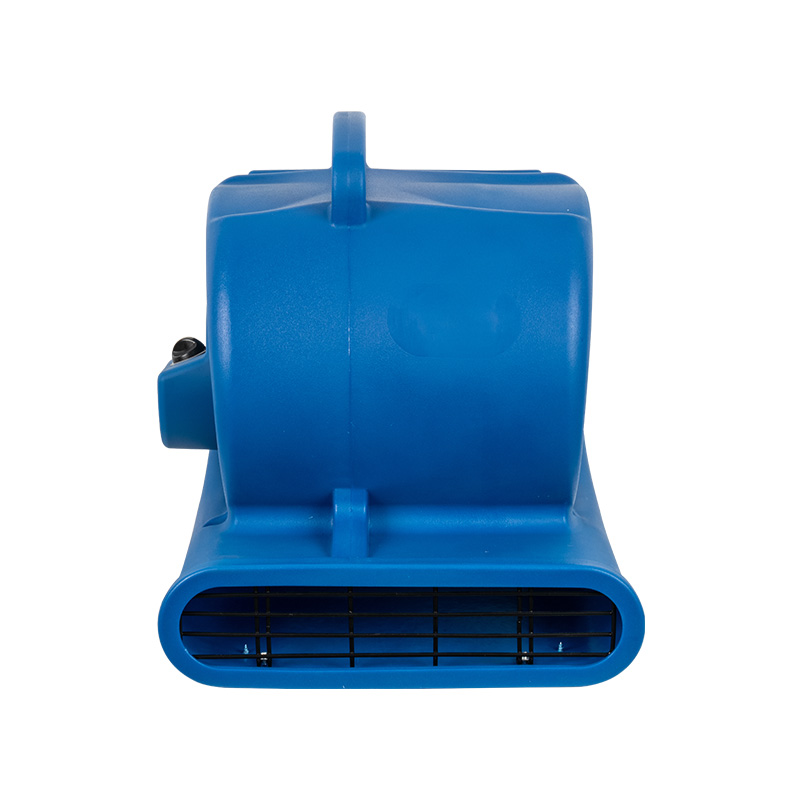
The AM-A04 Lightweight Portable Carpet Wall Floor Dryer features advanced centrifugal air movement technology for faster surface drying results. Not only is it suitable for a wide range of carpet, flo...
See DetailsStore Information
No. 88, Yuexin Road, Sanjiang Street, Shengzhou City, Shaoxing City, Zhejiang Province, China
+86-13819532379
Links
Products
Mobile Terminal
