
 English
 русский
 Deutsch
 Español

News
Home / News / Industry News / How Many CFM Exhaust Fan Do You Need? Practical Sizing for Bathrooms and Workshops

Content
If you are standing in a steamy bathroom, a smoky workshop, or a garage that never quite clears, the question is usually the same: how many CFM exhaust fan do I need? The honest answer is that no single number fits every room. CFM, or cubic feet per minute, measures airflow, and the right figure depends on room size, how many air changes you want per hour, and how much resistance the ductwork adds.
For most residential and light commercial rooms, you can get a reliable starting point with a simple calculation. Measure the space, choose an air-change target, and round up to a fan that can handle the installed conditions. That is the approach we use when matching a blower or duct fan to a real job.
To find the airflow you need, first calculate room volume in cubic feet: length × width × height. Then decide how many air changes per hour, or ACH, you want. The formula is: Required CFM = (Room volume × ACH) ÷ 60.
For example, a 10 ft × 10 ft bathroom with an 8 ft ceiling has 800 cubic feet. At 8 air changes per hour, the math is (800 × 8) ÷ 60 = 107 CFM. A fan rated around 110 to 120 CFM is a sensible starting point, assuming a short, smooth duct run. If the duct is long, narrow, or full of elbows, installed airflow will be lower than the label.
For continuous ventilation, the target is often lower because the fan runs all the time. For intermittent use, size for the higher air-change rate and accept that the fan will be louder for a shorter period.
Start with a tape measure, not a product catalog. Measure the length, width, and ceiling height. For L-shaped rooms, split the floor plan into rectangles, calculate each volume, and add them together. If the ceiling slopes, use the average height. For a large workshop, measure the occupied zone rather than the entire building shell.
Once you have the volume, choose an air-change target. The table below gives practical starting points for common spaces. These are not code requirements, and local regulations may differ, but they are useful for early sizing.
| Space | Typical ACH | Practical note |
|---|---|---|
| Bathroom | 8 | Use 1 CFM per sq ft, with a 50 CFM minimum |
| Kitchen | 10–15 | Range hood sizing often drives the final number |
| Garage | 6–8 | Increase if cars run inside or solvents are used |
| Workshop | 10–12 | Use more for dust, smoke, or welding fumes |
| Basement | 4–6 | Check moisture and radon requirements locally |
Use the table as a sanity check. A bathroom at 8 ACH and a workshop at 10 to 12 ACH are doing different jobs. The bathroom is removing moisture and odors; the workshop is removing heat, fumes, and dust-laden air.
A workshop measuring 20 ft × 15 ft with a 9 ft ceiling has 2,700 cubic feet. At 10 air changes per hour, the calculation is (2,700 × 10) ÷ 60 = 450 CFM. If the space has welding fumes or heavy dust, you may need more or a dedicated extraction system. If it is a clean assembly area, 450 CFM may be generous.
Always round up rather than down. A slightly oversized fan can run at a lower speed, which usually means less noise and a reserve for dirty filters or added duct length. An undersized fan has to run at full speed and may never clear the room.
For bathrooms, the common rule is 1 CFM per square foot of floor area, with a minimum of 50 CFM. A 5 ft × 8 ft bathroom is 40 square feet, so a 50 CFM fan is the minimum. A 10 ft × 12 ft bathroom is 120 square feet, so look for at least 120 CFM. This rule works well for rooms with an 8 ft ceiling. If the ceiling is higher, use the volume-based formula instead.
Kitchens are different because the range hood does most of the work. A modest electric range often needs 100 to 300 CFM, while high-output gas ranges need more. Garages typically benefit from 6 to 8 air changes per hour, especially if cars are started inside or solvents are used. Workshops often need 10 to 12 air changes per hour when dust, smoke, or heat is present.
Most people asking about exhaust fan CFM are really asking how to stop the mirror from fogging, the walls from sweating, and the paint from peeling. In a bathroom, moisture control is the goal. A 50 CFM fan may meet a minimum, but it can be marginal in a busy family bathroom. An 80 to 110 CFM fan is often a better practical choice for a standard bathroom, provided the duct run is short and the door has enough undercut to let replacement air in.
Noise matters too. A fan that is too loud will not be used, and an unused fan does not remove moisture. Look for a low-sone model if the bathroom is near a bedroom. Also check the duct route: a short, straight run to an outside wall is easier on airflow than a long run through a roof cap with multiple elbows.
Fan catalogs usually quote airflow at free air or at a low static pressure. In a real installation, the duct, grille, backdraft damper, and roof cap all resist airflow. That resistance is static pressure, and it can turn a 200 CFM fan into a 120 CFM fan if the duct is too small. A 4-inch duct is common for bathroom fans, but it has limited capacity. A 6-inch duct or larger is a better choice for higher CFM and longer runs.
Flexible duct is convenient, but it is more restrictive than smooth metal duct, especially when it is sagging or compressed. Keep the run as short and straight as possible, seal the joints, and avoid sharp bends. If you need a quiet fan for a longer ducted run, a model with a realistic pressure curve is more useful than a big number on the box.
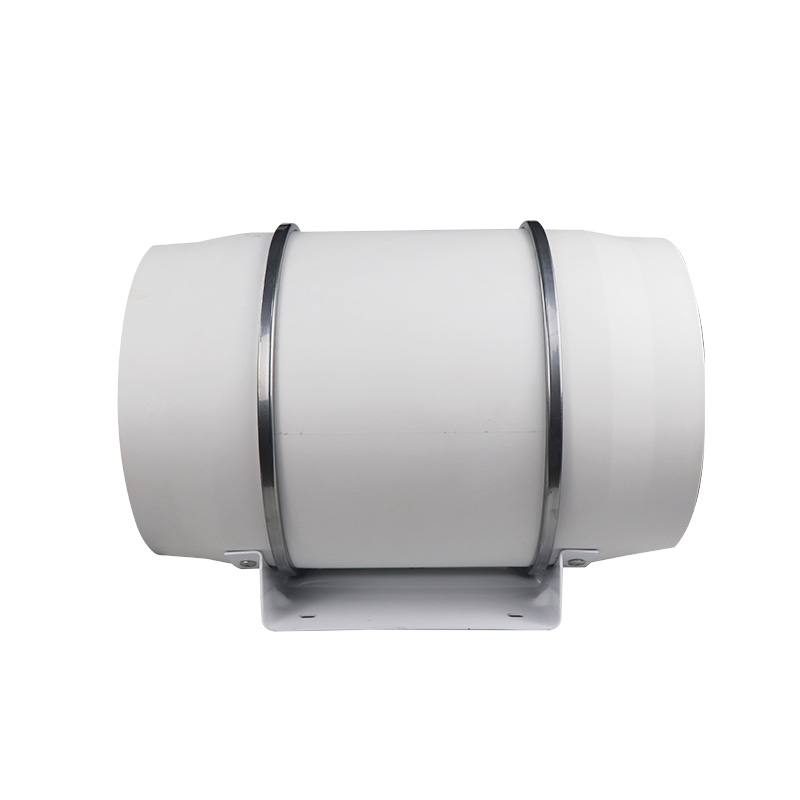 DUF-A04 Low Noise Axial Duct FanLow-noise axial duct fan for fresh-air circulation and temperature regulation in small domestic, basement, and grow-room ventilation setups.View Product →
Exhaust fans come in several shapes, and the right type depends on the resistance in the system. Axial fans, including axial blowers, move a lot of air at low pressure. They are a good fit for open spaces, wall-mounted exhaust, and short duct runs. Centrifugal and inline duct fans are better at pushing air through longer ducts, filters, or tighter bends. Air movers are a different tool: they are designed to sweep air across wet floors and carpets, not to ventilate a sealed room.
If you are unsure whether a ducted fan or a wall-mounted exhaust fan suits your layout, this comparison of duct fans and exhaust fans is a useful next read. The key is to match the fan's pressure capability to the duct system, not just the CFM rating.
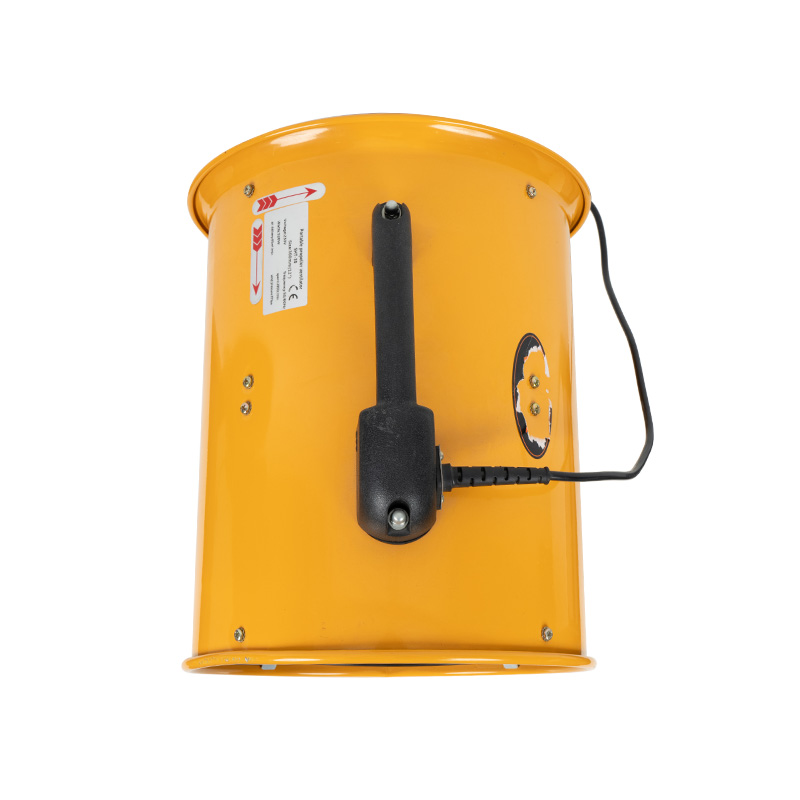 AB-A01 Axial Flow Iron Shell FanPortable industrial axial fan with metal body and telescopic duct option, suited to workshops needing intake ventilation or directed airflow.View Product →
Before you buy, work through these steps in order. It takes a few minutes and can save you from a fan that is noisy, undersized, or installed in a way that never delivers its rated airflow.
Browse our duct fan range to compare airflow ratings and duct sizes. If the numbers are close, choose the model with a better pressure curve and a lower noise rating for the same airflow.
Simple rooms can be sized with the formula and a rule of thumb. More complex spaces need a professional. Commercial kitchens, laboratories, welding booths, paint rooms, chemical storage areas, and rooms with multiple exhaust points are not good candidates for a guess. The same applies when the duct run is long, when the fan must overcome a filter, or when local code requires a specific ventilation rate.
An engineer will consider makeup air, pressure balance, fire dampers, roof penetrations, and the actual resistance of the system. That is more work than a calculator, but it is cheaper than installing a fan that cannot do the job.
If you remember one thing, make it this: the right exhaust fan CFM is the airflow that clears the room under real installed conditions, not the biggest number you can find. Measure the volume, choose a sensible air-change target, account for the duct, and round up a little. For a bathroom, start at 1 CFM per square foot with a 50 CFM minimum. For a garage or workshop, use the volume formula and pay close attention to static pressure.
We have seen plenty of rooms transformed by a fan that was sized correctly and installed with a clean, short duct run. We have also seen powerful fans underperform because of a crushed flex duct or a missing return-air path. Take the extra few minutes to check both, and the room will clear faster, stay drier, and sound better while doing it.
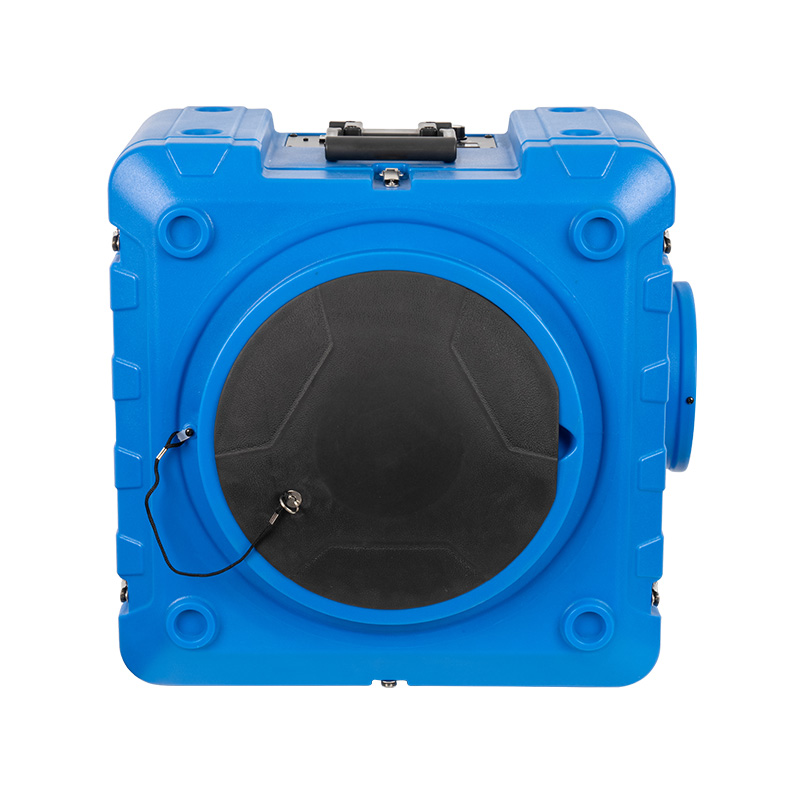
Three-Stage Filtration: The air scrubber features a three-stage filtration system that includes a pre-filter (MERV-10), carbon filter, and H13 HEPA filter. It effectively removes dust, pollen, smoke, ...
See Details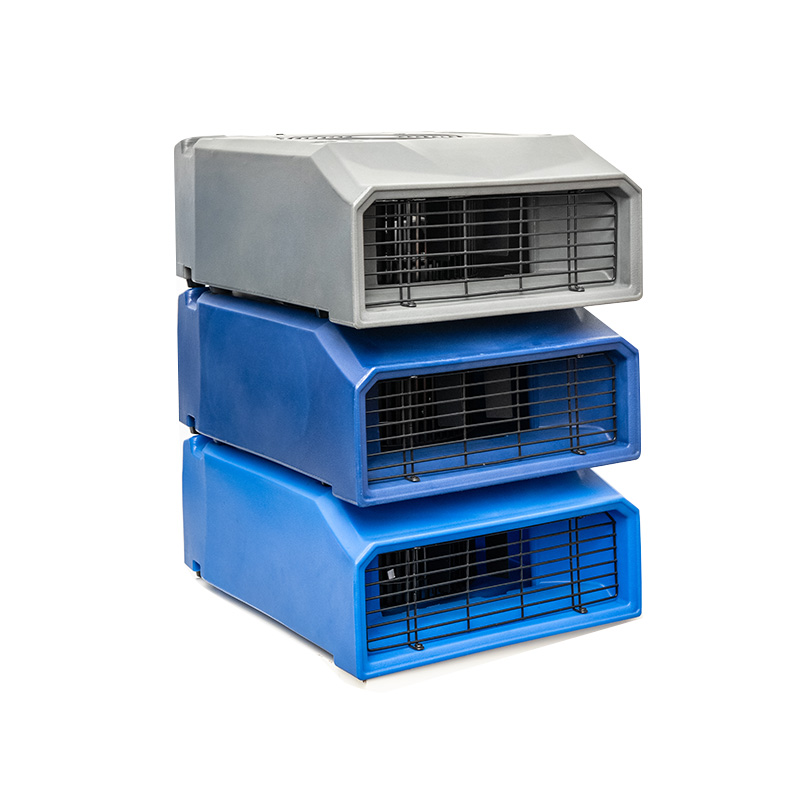
The AM-B01 High Air Volume Thin Carpet Dryers are equipped with a powerful motor that generates a high volume of airflow to ensure that your carpet dries thoroughly and quickly. This high air volume n...
See Details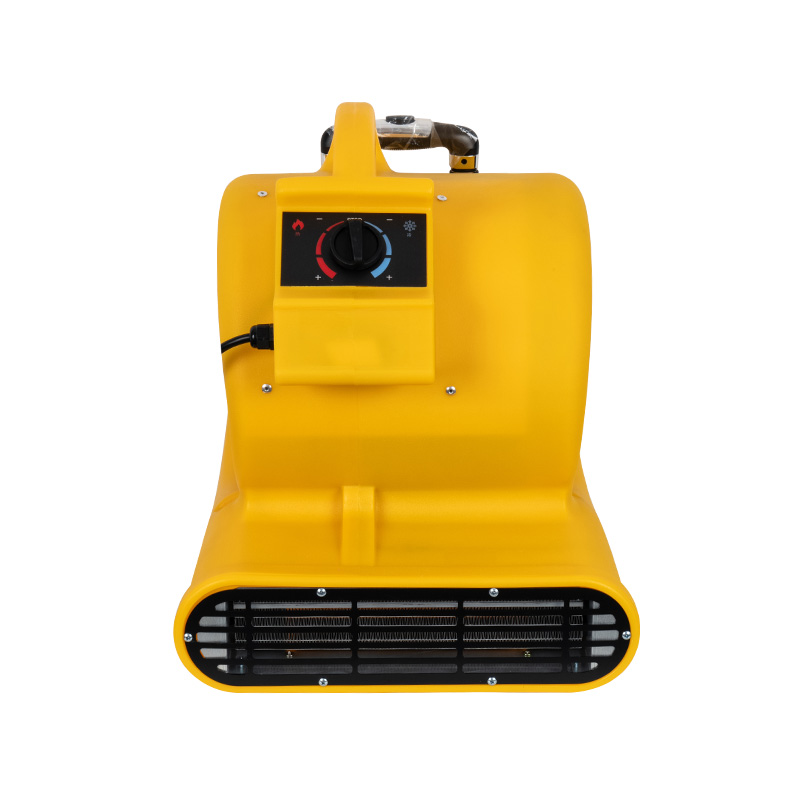
The AM-A01 Hot and Cold Carpet Drying Fans are versatile units designed to speed up the carpet drying process by utilizing hot and cold air. Combining the benefits of hot and cold air circulation, the...
See Details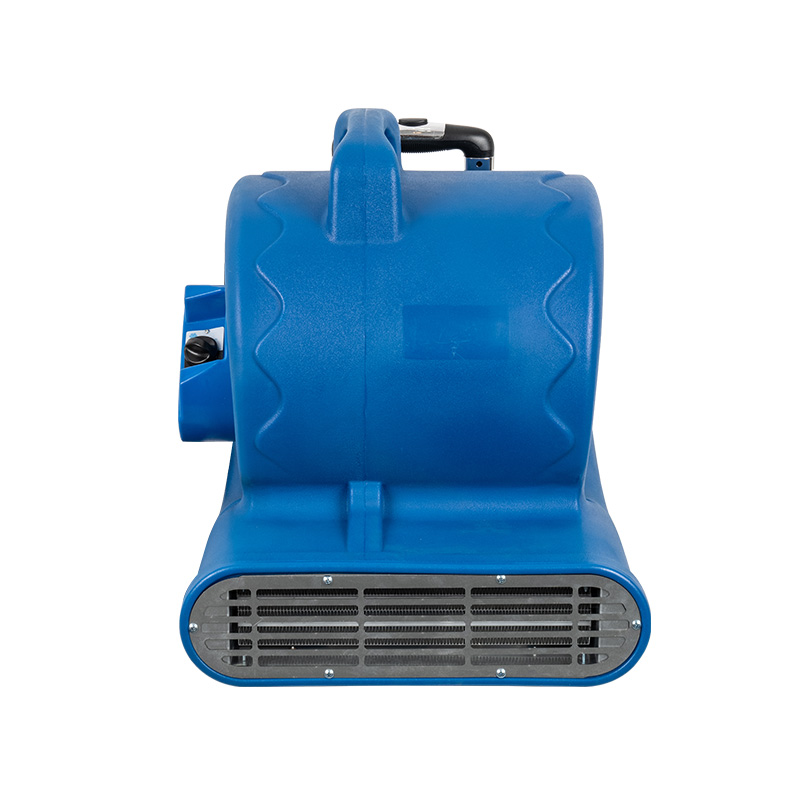
AM-A02 Multi-wing Centrifugal Wind Wheel Carpet Dryers effectively increase wind power and airflow for faster and more efficient carpet drying through the use of multi-wing centrifugal wind wheel tech...
See Details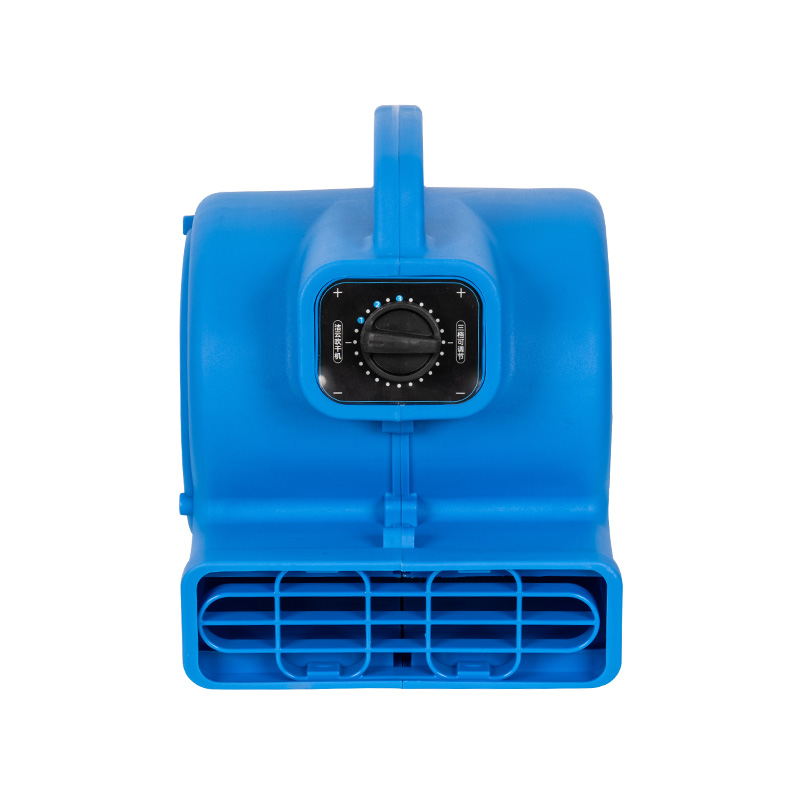
The AM-A03 Small Axial Floor Carpet Dryer is a highly efficient and versatile drying unit with a centrifugal air mover for faster surface drying. Not only is it suitable for drying carpets, floors, fu...
See Details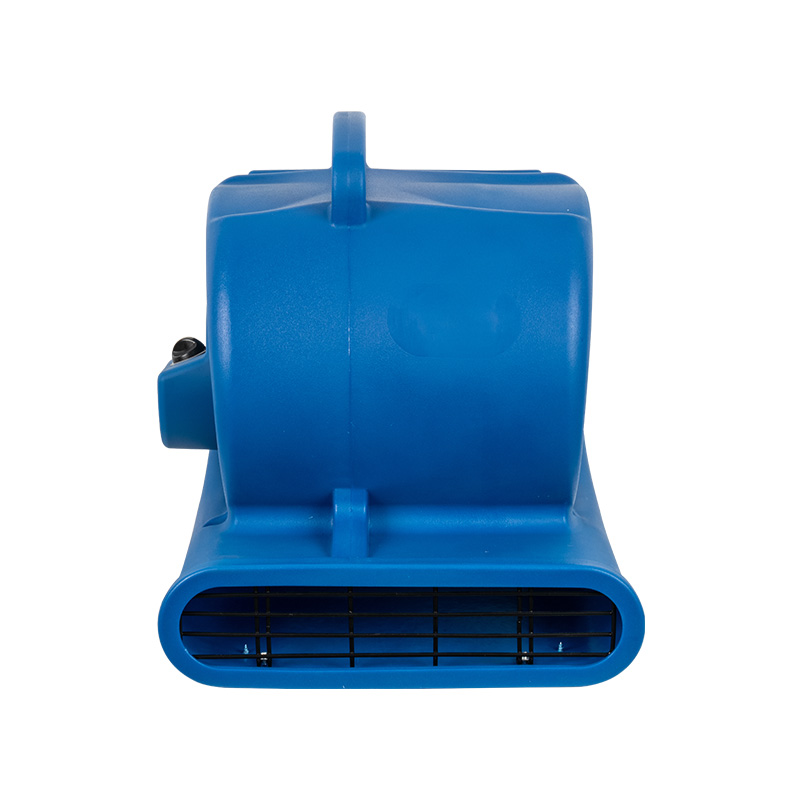
The AM-A04 Lightweight Portable Carpet Wall Floor Dryer features advanced centrifugal air movement technology for faster surface drying results. Not only is it suitable for a wide range of carpet, flo...
See DetailsStore Information
No. 88, Yuexin Road, Sanjiang Street, Shengzhou City, Shaoxing City, Zhejiang Province, China
+86-13819532379
Links
Products
Mobile Terminal
