
 English
 русский
 Deutsch
 Español

News
Home / News / Industry News / How Many CFM Exhaust Fan Do You Need? A Practical Sizing Guide for Real Spaces
Content
Figuring out how many CFM exhaust fan you need is less mysterious than it looks. You are really answering two questions: how much air is in the room, and how often do you want to replace it? Once you know those two numbers, fan selection becomes a practical shortlist rather than a guess.
For a bathroom, the common starting point is 1 CFM per square foot of floor area, with a minimum of 50 CFM. For kitchens, workshops, garages, and light commercial rooms, the more reliable method is the air-change formula: CFM = (room volume in cubic feet × air changes per hour) ÷ 60. The rest of this guide walks through both methods and the details that decide whether the fan actually performs in service.
CFM stands for cubic feet per minute. A fan rated at 200 CFM is designed to move about 200 cubic feet of air every minute under standard test conditions. That sounds straightforward, but the number printed on the box is usually a free-air or nominal rating. Add a length of duct, a grille, a backdraft shutter, or a filter, and the real airflow drops.
This is why two fans with the same CFM label can behave very differently. A fan with a stronger motor and a better-matched impeller will hold its airflow against resistance. A cheaper fan may lose a large share of its rating as soon as it is connected to real ductwork. When you are sizing, treat the catalogue CFM as a starting point and check the fan's performance curve at the static pressure your installation will create.
For bathrooms, the rule is easy to remember: 1 CFM per square foot, minimum 50 CFM. A 5 ft by 8 ft bathroom is 40 square feet, so a 50 CFM fan is the sensible minimum. A 10 ft by 12 ft bathroom is 120 square feet, which points to a 120 CFM fan. If the bathroom has a tub and shower, a longer duct run, or several bends, stay at the higher end rather than the lower one.
Kitchen range hoods use a different shorthand. A common guide is 100 CFM for every linear foot of cooking surface width. A 30-inch cooktop therefore starts around 300 CFM. Gas burners can also be estimated at roughly 1 CFM per 100 BTU/h of burner output. If the hood is on a long or restrictive duct, choose a higher rating or reduce the run.
Garages and workshops are less standardized. General garage ventilation often starts at 4 to 6 air changes per hour. If welding, painting, or solvent use is part of the work, aim higher and consider a dedicated local exhaust arrangement.
| Space | Rule of thumb | Example |
|---|---|---|
| Bathroom | 1 CFM per square foot, minimum 50 CFM | 8 ft × 10 ft = 80 sq ft, so about 80 CFM |
| Kitchen range hood | 100 CFM per linear foot of cooktop width | 30-inch cooktop, so about 300 CFM |
| Garage | 4 to 6 air changes per hour | 20 ft × 20 ft × 8 ft, so about 213 to 320 CFM |
| Workshop | 8 to 12 air changes per hour | 20 ft × 15 ft × 8 ft, so about 320 to 480 CFM |
| Small office | 6 to 10 air changes per hour | 20 ft × 20 ft × 9 ft, so about 360 to 600 CFM |
Air changes per hour, or ACH, tells you how many times the full volume of the room is replaced in an hour. The formula is simple: CFM = (room volume × ACH) ÷ 60.
Take a workshop 20 ft long, 15 ft wide, and 8 ft high. The volume is 2,400 cubic feet. If you want 8 air changes per hour, the calculation is (2,400 × 8) ÷ 60 = 320 CFM. That is the airflow you need at the room, not just at the fan outlet.
Use the table below as a starting range. A busy commercial kitchen, a humid basement, or a room with strong odours will usually need the upper end. A clean, dry storage room may be fine at the lower end. Local building codes and manufacturer instructions always take priority.
| Space | Suggested air changes per hour | When to lean higher |
|---|---|---|
| Bathroom | 8 | Long showers, high humidity, or no window |
| Kitchen | 15 | Gas cooking, strong odours, or heavy use |
| Garage | 4 to 6 | Welding, painting, or vehicle idling |
| Workshop | 8 to 12 | Dust, fumes, or solvent-based finishes |
| Basement | 3 to 4 | Damp walls, musty smells, or poor drainage |
| Light commercial | 6 to 10 | Occupancy, equipment heat, or cooking |
Bathrooms are sized for moisture and odour removal, not comfort cooling. Run the fan during showers and for 20 to 30 minutes afterward. If the fan is on a continuous ventilation strategy, a lower-capacity unit can run all the time, but it still needs to meet the effective rate for the room. Avoid oversizing a bathroom fan in a tight house without thinking about make-up air.
Range hood CFM should match the cooking load and the duct design. A high-CFM hood on a small duct is a common mistake. The hood may be noisy and still fail to capture smoke because the air cannot get out. Short, smooth, large-diameter duct with few elbows does more for real performance than a bigger number on the label.
These rooms often have more than one job: removing fumes, controlling heat, and keeping air moving. For general exhaust, calculate the room volume and choose an ACH target. For spot work, a portable axial blower can supplement the fixed exhaust and direct air toward an open door or extraction point.
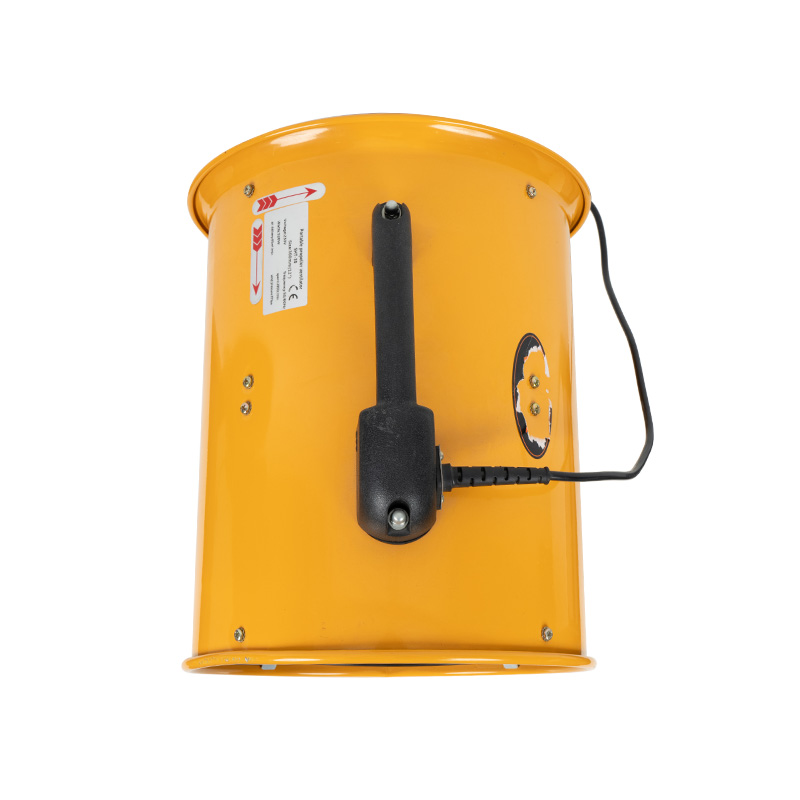 AB-A01 Portable Axial Ventilation Fan with DuctIndustrial portable axial fan with telescopic duct and 8- to 12-inch models, suited to supplement fixed exhaust or direct airflow in workshops.View Product →
Keep in mind that a portable fan is not a substitute for a properly sized fixed exhaust system. It is a useful tool for temporary or supplementary airflow, especially in large or irregular spaces.
A fan is only one part of the system. Duct diameter, length, bends, grilles, and shutters all add resistance. As a rough guide, a 4-inch duct is comfortable around 50 to 75 CFM, a 6-inch duct around 100 to 150 CFM, and an 8-inch duct around 200 to 300 CFM. These are not rigid limits, but they show why a 400 CFM fan on a 4-inch duct is unlikely to deliver 400 CFM in the room.
Make-up air matters too. Every cubic foot you exhaust has to be replaced. In a tightly sealed room, the fan will struggle and may cause backdrafting of combustion appliances. If you have a gas water heater, furnace, or fireplace in the same space, get professional advice before installing a large exhaust fan.
Noise is part of sizing as well. Sones are the usual measure. A fan that meets the CFM target but runs at an irritating sound level will not be used consistently. For living spaces, look for a low-sone model and mount it with flexible connections where possible.
If you are moving air through a duct run, a speed-adjustable inline fan gives you room to fine-tune the airflow after installation.
 DUF-A01 Speed Adjustable Ventilation Duct FanDuct fan with removable brackets and adjustable speed, useful for fine-tuning airflow in home, grow-room, basement, or small-space ventilation runs.View Product →
For quieter runs, a low-noise axial duct fan is often the better fit for offices, clinics, and residential ventilation.
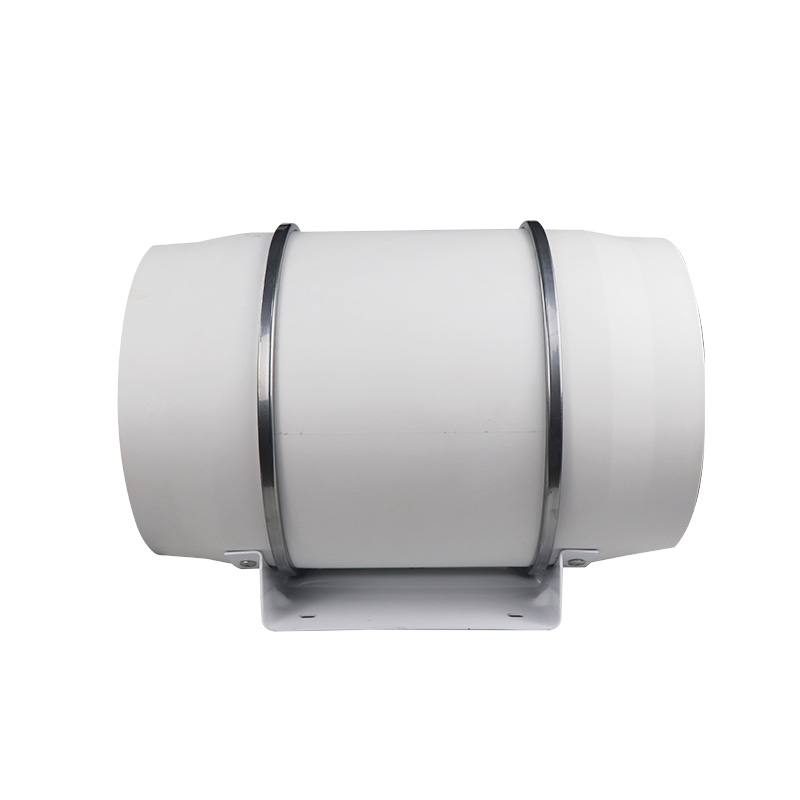 DUF-A04 Low Noise Axial Duct FanQuiet axial duct fan with removable brackets and intelligent temperature control, suited to offices, clinics, residential ventilation, grow rooms, basements, and similar small spaces.View Product →
For a plain-language explanation of how these fans move air through a duct, see our guide to how duct fans work.
For a bathroom, start at 1 CFM per square foot and never below 50 CFM. For everything else, use room volume and air changes per hour, then adjust for duct resistance and real-world installation. If you are unsure, choose a fan with a published performance curve and a bit of speed adjustment, rather than simply picking the biggest number. That approach usually gives you quieter, more efficient ventilation and fewer surprises after installation.
You can find more practical answers on our FAQ page.
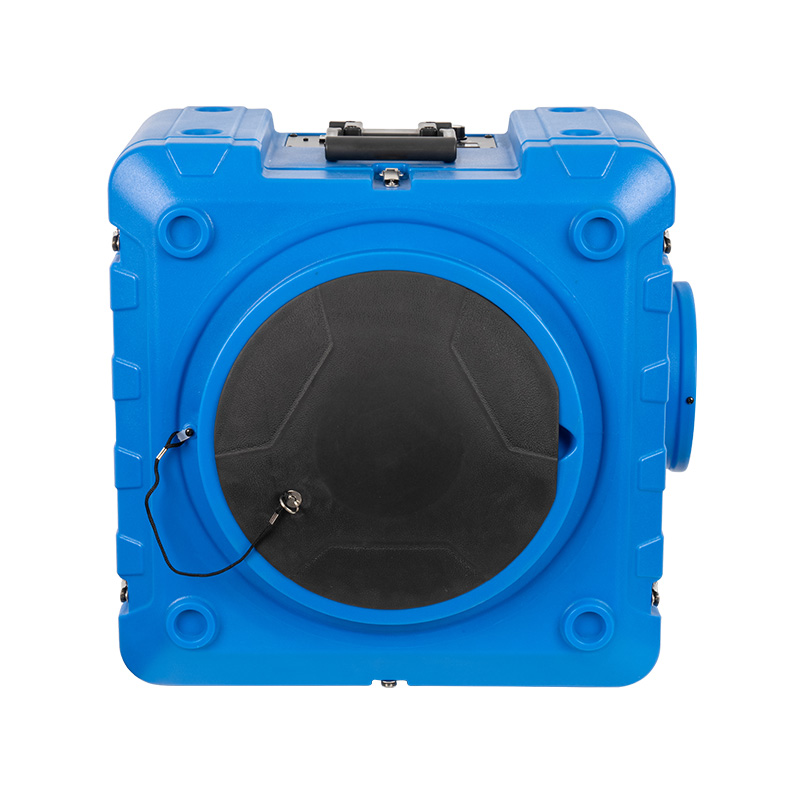
Three-Stage Filtration: The air scrubber features a three-stage filtration system that includes a pre-filter (MERV-10), carbon filter, and H13 HEPA filter. It effectively removes dust, pollen, smoke, ...
See Details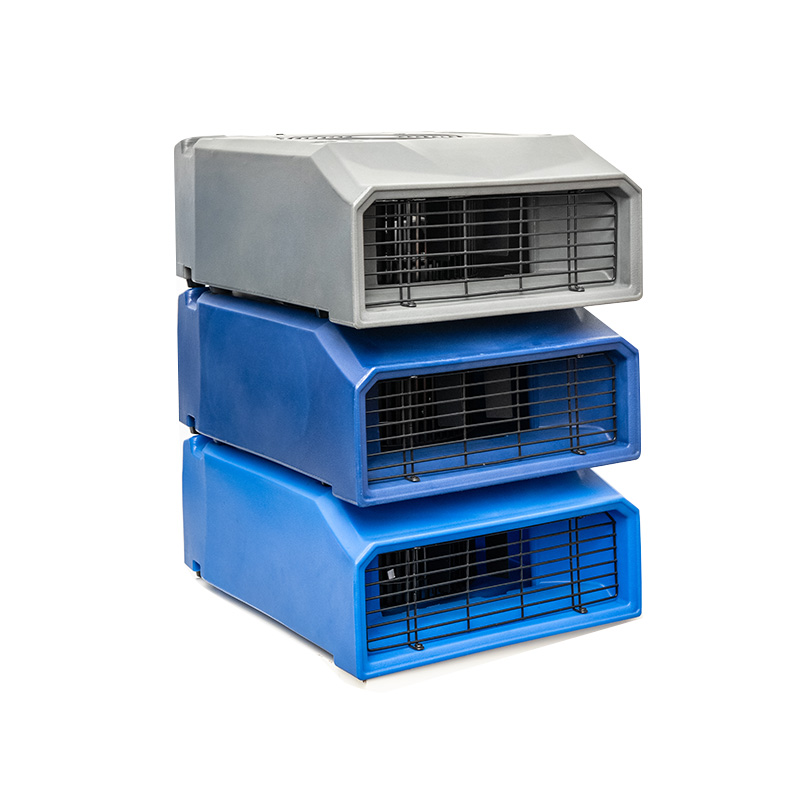
The AM-B01 High Air Volume Thin Carpet Dryers are equipped with a powerful motor that generates a high volume of airflow to ensure that your carpet dries thoroughly and quickly. This high air volume n...
See Details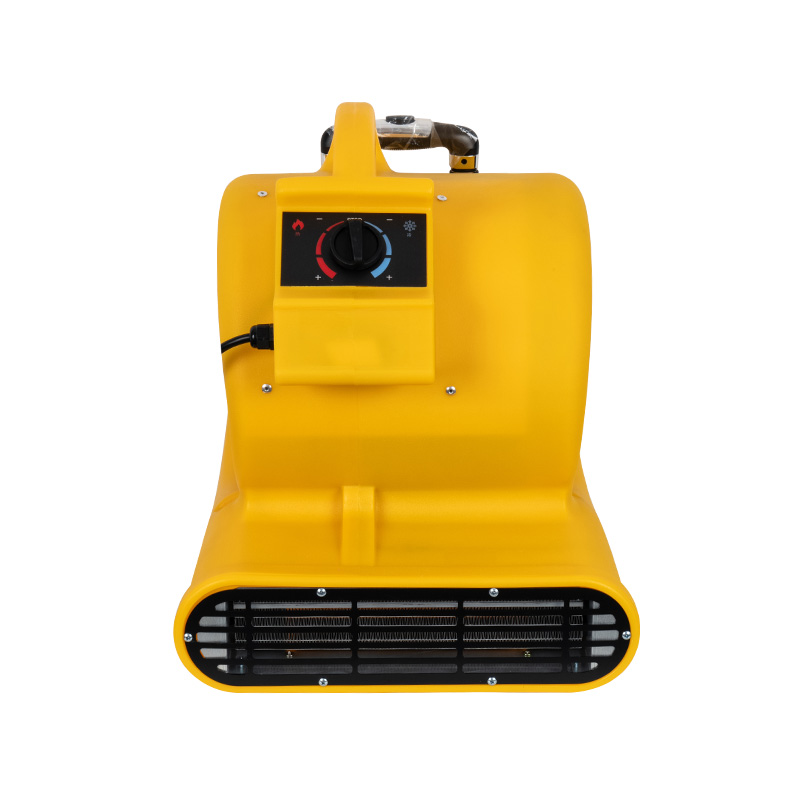
The AM-A01 Hot and Cold Carpet Drying Fans are versatile units designed to speed up the carpet drying process by utilizing hot and cold air. Combining the benefits of hot and cold air circulation, the...
See Details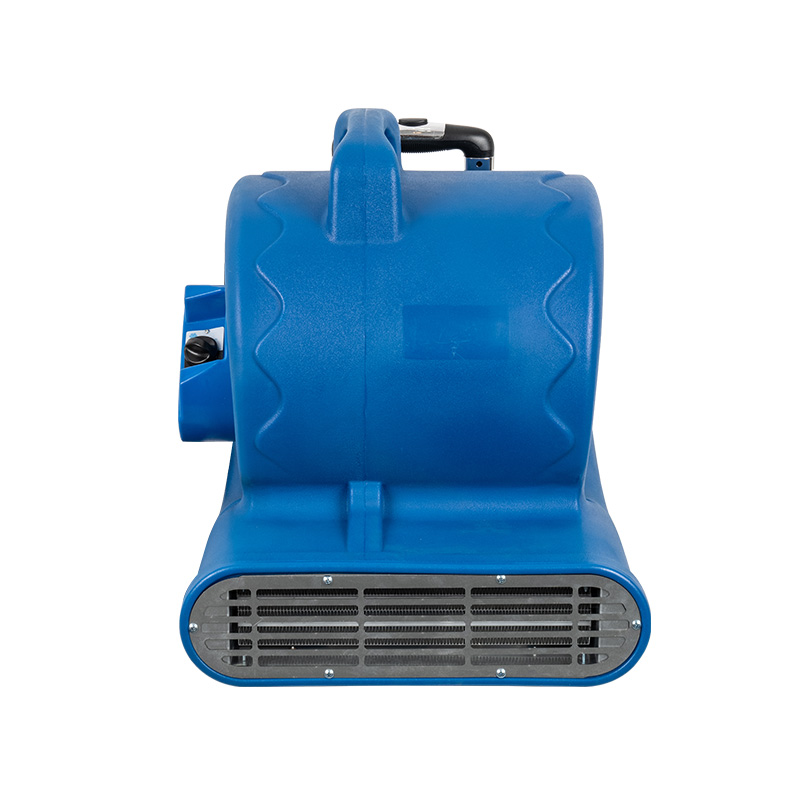
AM-A02 Multi-wing Centrifugal Wind Wheel Carpet Dryers effectively increase wind power and airflow for faster and more efficient carpet drying through the use of multi-wing centrifugal wind wheel tech...
See Details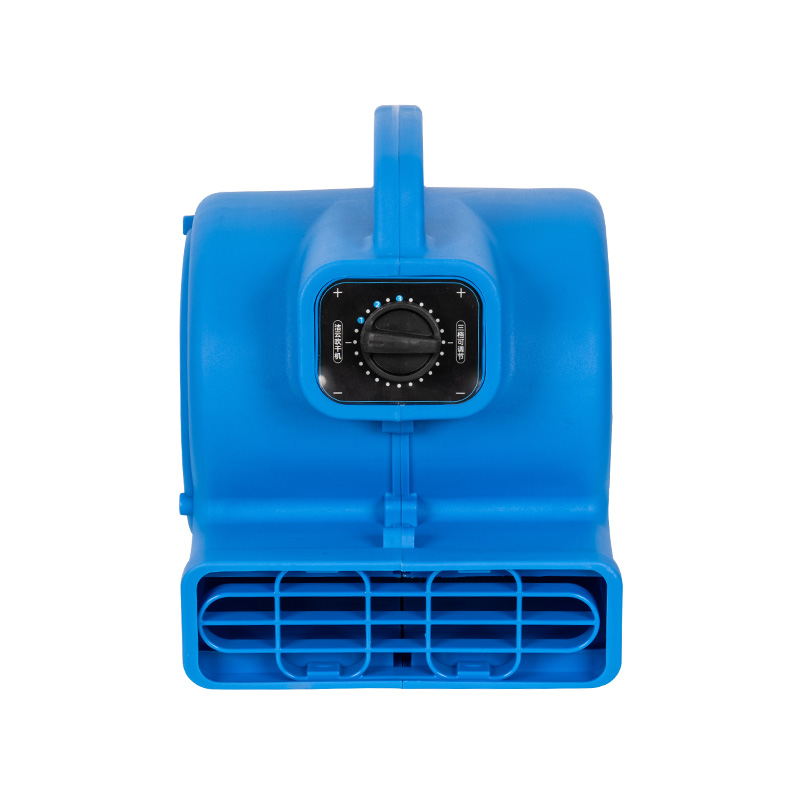
The AM-A03 Small Axial Floor Carpet Dryer is a highly efficient and versatile drying unit with a centrifugal air mover for faster surface drying. Not only is it suitable for drying carpets, floors, fu...
See Details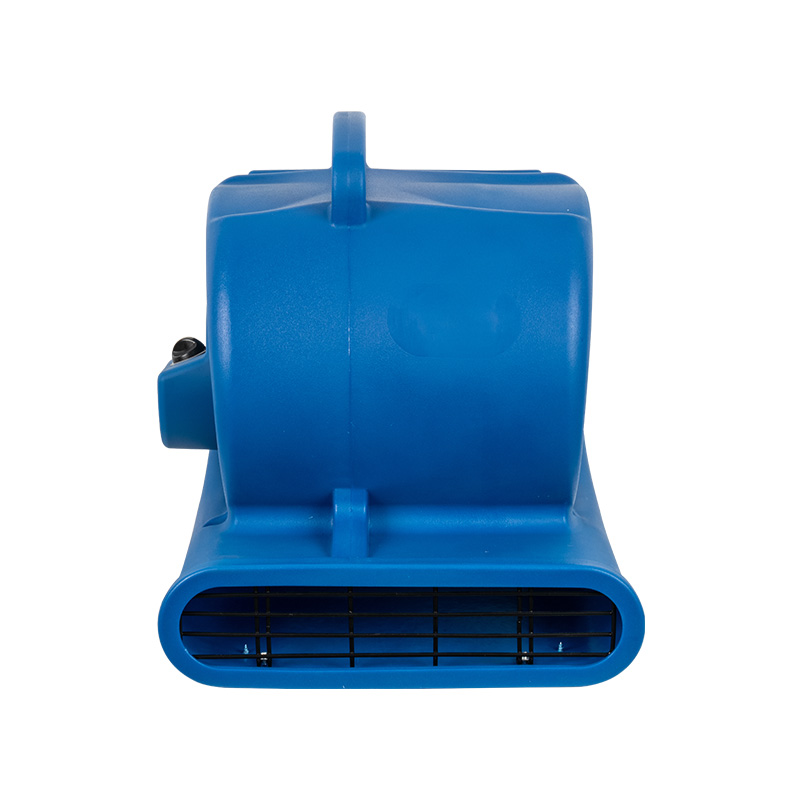
The AM-A04 Lightweight Portable Carpet Wall Floor Dryer features advanced centrifugal air movement technology for faster surface drying results. Not only is it suitable for a wide range of carpet, flo...
See DetailsStore Information
No. 88, Yuexin Road, Sanjiang Street, Shengzhou City, Shaoxing City, Zhejiang Province, China
+86-13819532379
Links
Products
Mobile Terminal
