Content
If your basement lacks a floor drain, sump pit, or laundry tub, running a dehumidifier around the clock often means repeatedly emptying the bucket. That’s inconvenient and defeats the purpose of continuous moisture control. The good news: you have several reliable methods to drain condensate automatically, even with no floor drain. The right choice depends on your basement’s layout, the height of available drain points, and whether you need to pump water uphill. Below are the six most effective strategies, each with setup details, requirements, and real‑world trade‑offs.
If your basement has a utility sink, laundry tub, or even a floor‑level mop sink, gravity drainage is the simplest solution. The dehumidifier must sit higher than the drain opening so water flows downhill through a hose.
The key limitation: the dehumidifier must be elevated. If your unit sits on the floor, you may need to place it on a sturdy platform — a concrete block or a purpose‑built stand works well. Measure the vertical drop; a minimum of 12–18 inches of head is recommended for reliable flow.
For tight spaces where a large platform is impractical, a compact model like the DEHB02 can be easier to elevate because of its lighter weight and smaller footprint.
When no interior drain point is nearby, you can route the hose outside through a window, a vent opening, or a drilled hole in the wall. This works best for basements that are partially above grade or have a window near ground level.
Drill a hole with a slight downward angle for a clean pass‑through, and seal around the hose with caulk or foam insulation. This method is permanent and eliminates trip hazards from a hose running across the floor.
For basements where raising the unit is difficult, a model with wheels and adjustable height can simplify positioning while still allowing gravity drainage when placed on a low stand.
When gravity is not an option — because the only drain point is above the dehumidifier, or the distance is too far — a condensate pump is the answer. These small external pumps are placed near the dehumidifier and use a float switch to automatically pump water up through a discharge tube.
Installation is straightforward: connect the dehumidifier’s drain hose to the pump’s inlet, then run the small‑diameter discharge tubing to the drain point (sink, window, or existing plumbing). Most pumps have a check valve to prevent backflow. Maintenance is minimal — just clean the inlet screen every few months.
For industrial‑scale moisture problems or large basements, a heavy‑duty unit such as the DEHB03 can be paired with a separate condensate pump to handle high volumes while maintaining portability.
If your basement already has a sump pit (without a sealed radon cover), it’s a perfectly acceptable drain destination. The dehumidifier hose simply empties into the pit, and the sump pump removes the water when it rises.
This method is nearly set‑and‑forget. Just verify that the hose end stays clear of the pit walls and pump float.
Manually emptying the bucket is the default when no continuous drainage is possible, but it should be reserved for short‑term use (e.g., while you install one of the methods above). A dehumidifier running 24 hours in a typical damp basement can collect 30–50 pints per day — that’s 4–6 gallons you’ll have to lift and dump. Over a month, the inconvenience adds up, and you risk the unit shutting off when the bucket fills, allowing humidity to rebound.
If manual emptying is your only temporary option, set a ceiling‑high alarm or use a smart plug with a timer to remind you. But for long‑term dehumidification, invest in one of the gravity or pump solutions described above.
The following table summarizes the key factors to help you decide:
| Method | Needs Pump? | Requires Elevation? | Best For |
|---|---|---|---|
| Gravity to sink/tub | No | Yes | Nearby utility sink at lower level |
| Gravity through window | No | Yes | Window near grade, short outdoor run |
| Condensate pump | Yes | No | Uphill drainage, long distances |
| Sump pit (unsealed) | No | No | Existing sump without radon cover |
| Manual bucket | No | No | Temp. or emergency use only |
Before settling on a method, measure the distance to your nearest drain point, the vertical lift required, and any obstacles like doorways or finished walls. For most basements, a gravity drain to a sink or window is the most reliable and cost‑effective option. If that’s not possible, a condensate pump adds a small ongoing electrical cost but grants total flexibility.
For detailed recommendations on sizing and placement, refer to our standing dehumidifier sizing and placement guide. If you’re evaluating different unit types, our standing dehumidifier product page lists models with varying capacities and drainage features.
Whichever method you choose, regular maintenance — checking the hose for kinks, cleaning the dehumidifier filter, and inspecting the pump inlet — will keep your basement dry year‑round without the hassle of manual bucket duty.
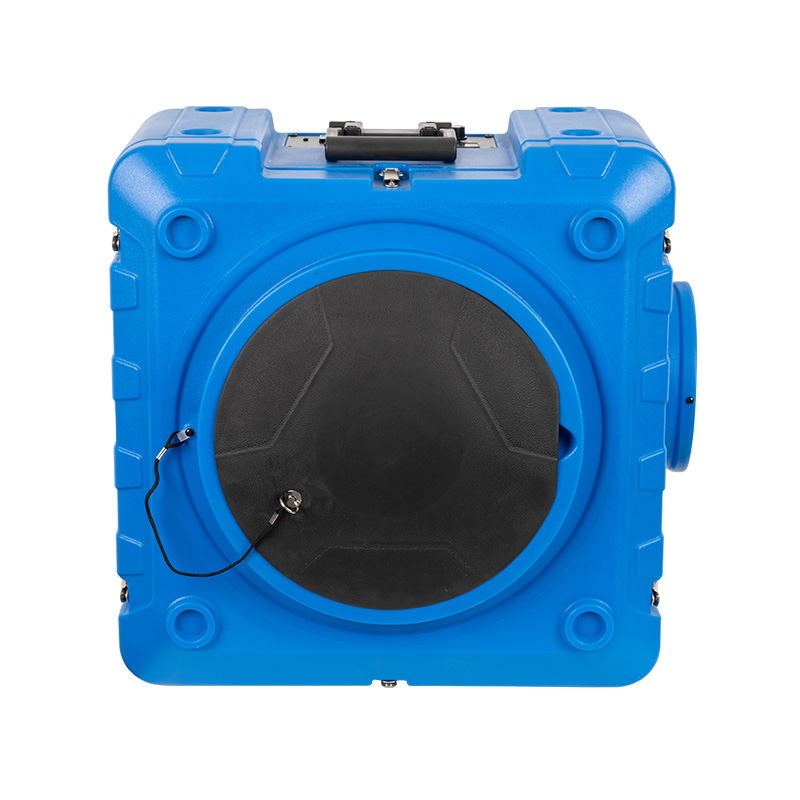
Three-Stage Filtration: The air scrubber features a three-stage filtration system that includes a pre-filter (MERV-10), carbon filter, and H13 HEPA filter. It effectively removes dust, pollen, smoke, ...
See Details
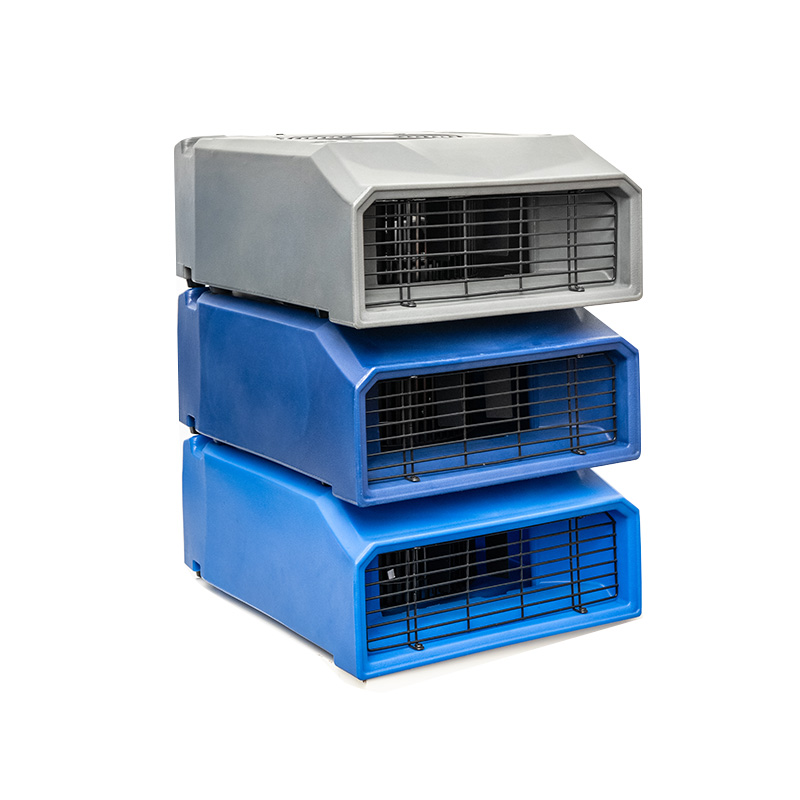
The AM-B01 High Air Volume Thin Carpet Dryers are equipped with a powerful motor that generates a high volume of airflow to ensure that your carpet dries thoroughly and quickly. This high air volume n...
See Details
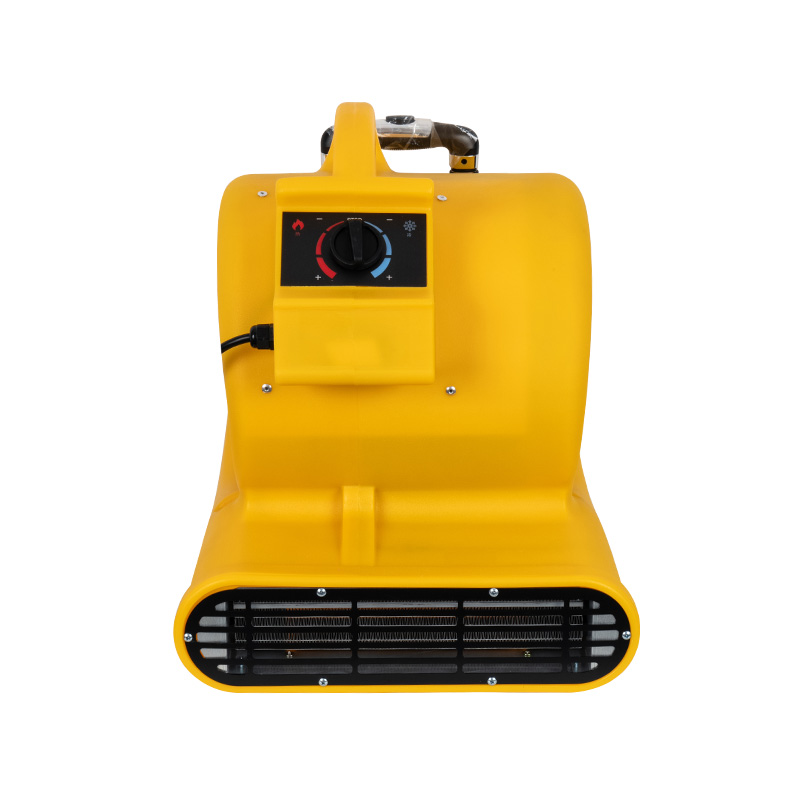
The AM-A01 Hot and Cold Carpet Drying Fans are versatile units designed to speed up the carpet drying process by utilizing hot and cold air. Combining the benefits of hot and cold air circulation, the...
See Details
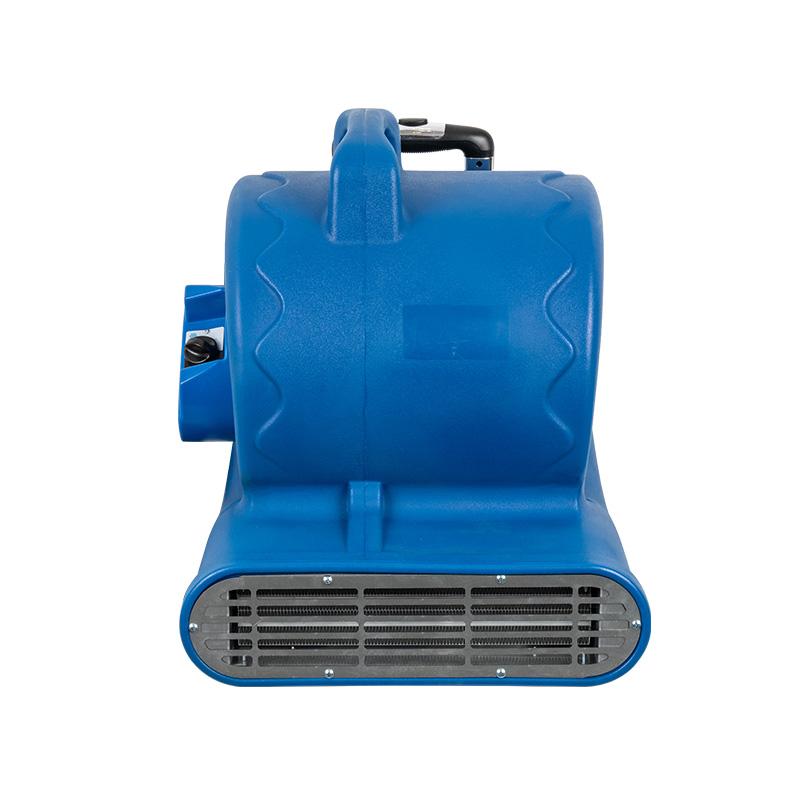
AM-A02 Multi-wing Centrifugal Wind Wheel Carpet Dryers effectively increase wind power and airflow for faster and more efficient carpet drying through the use of multi-wing centrifugal wind wheel tech...
See Details
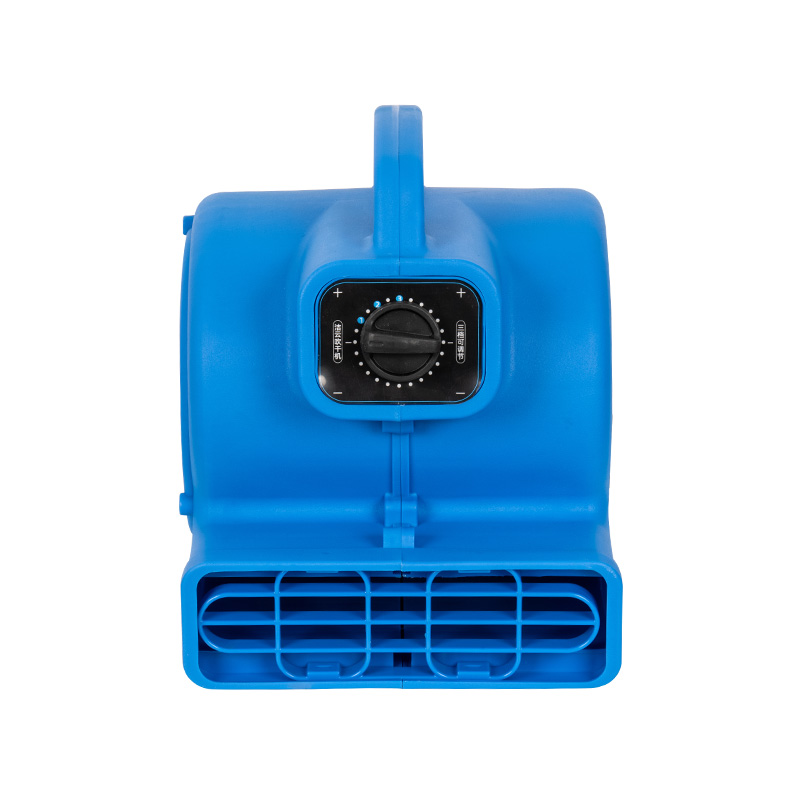
The AM-A03 Small Axial Floor Carpet Dryer is a highly efficient and versatile drying unit with a centrifugal air mover for faster surface drying. Not only is it suitable for drying carpets, floors, fu...
See Details
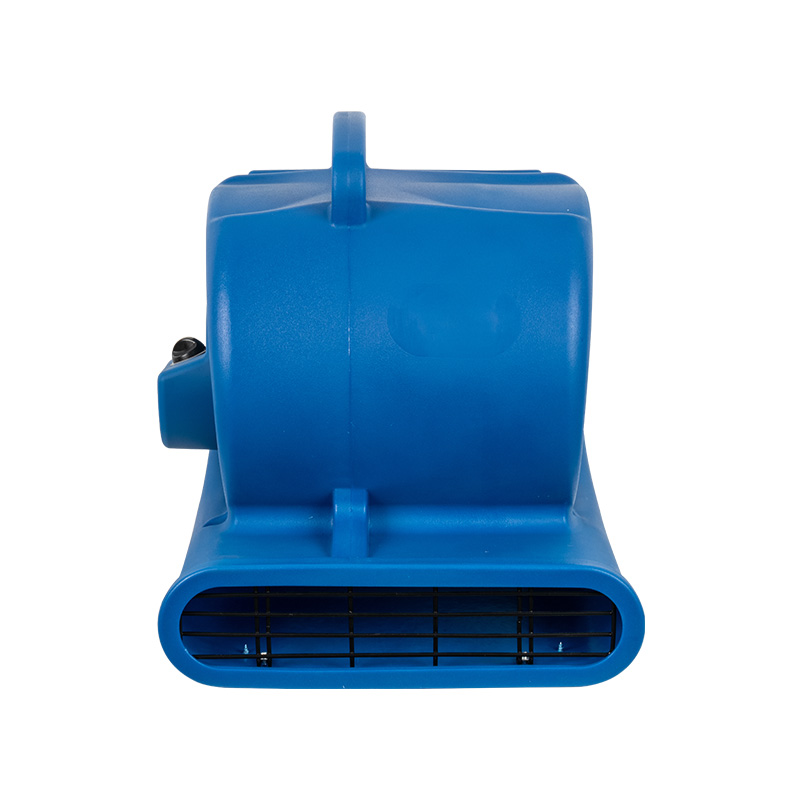
The AM-A04 Lightweight Portable Carpet Wall Floor Dryer features advanced centrifugal air movement technology for faster surface drying results. Not only is it suitable for a wide range of carpet, flo...
See DetailsStore Information
No. 88, Yuexin Road, Sanjiang Street, Shengzhou City, Shaoxing City, Zhejiang Province, China
+86-13819532379
Links
Products
Mobile Terminal