
 English
 русский
 Deutsch
 Español

News
Home / News / Industry News / how does fan speed control work: Applications, Selection Criteria, and Practical Guidance

Content
Every time you turn a switch from high to low, you are relying on a quiet piece of engineering that most people never think about. Fan speed control does more than make a breeze gentler: it saves energy, reduces noise, and protects the motor. But how does fan speed control work, exactly? The short answer is that it changes the power delivered to the motor, which changes the torque and therefore the speed. The full answer involves a few different methods, and each is worth understanding if you buy, install, or maintain fans.
Fan speed control starts with the motor. Most AC fans used in ventilation, drying, and air-moving equipment rely on shaded-pole or permanent split capacitor (PSC) motors. These induction motors are asynchronous: the rotor always lags behind the rotating magnetic field produced by the stator windings.
When the voltage applied to the motor drops, the torque drops, the rotor slips further behind the field, and the shaft spins more slowly. That is why many AC fan controllers achieve speed changes simply by reducing voltage. Brushless DC (BLDC) motors work on a different principle: their speed is set electronically, usually with pulse width modulation, giving much finer control across the whole range. If you need a refresher on how an axial flow fan works mechanically, our earlier article walks through the basics.
Five methods dominate the market for fan speed control. Each has a different operating principle, cost, and best application.
Triac-based controllers are the most common for AC fans. A triac is a semiconductor switch that turns on partway through each half cycle of the AC waveform. By delaying the trigger point, the controller cuts off the beginning of each half cycle and lowers the average voltage to the motor. The result is smooth, continuous speed adjustment from very slow to full speed. This is the same approach used in household dimmer switches.
Capacitors reduce speed by shifting the phase of the current through the auxiliary winding and dropping the voltage seen by the motor. A switch selects between two or three capacitor values, which is why some fans have a limited number of speed settings. The method is inexpensive and reliable, but the speeds are fixed steps rather than a continuous range.
Multi-speed AC fans often contain motors with extra winding taps. Each tap connects to a different point on the winding, changing the number of turns and therefore the magnetic field strength. A weaker field means less torque, so the rotor slips more and the speed drops. A simple rotary or push-button switch selects the tap.
Pulse width modulation is the standard method for DC and brushless DC fans. The controller switches the supply voltage on and off at high frequency and varies the duty cycle, or the ratio of on-time to off-time. A 60 percent duty cycle delivers roughly 60 percent of full power, and the fan runs at roughly 60 percent speed. PWM is efficient, quiet, and precise.
A variable autotransformer, commonly known as a Variac, adjusts the voltage smoothly while keeping the AC sine wave intact. It gives clean, noise-free speed control, but the units are large, heavy, and expensive, so they are used mainly in laboratory, test, and industrial installations.
The table below summarizes the key differences between these methods.
| Method | Control Type | Motor Types | Continuous? | Typical Cost |
|---|---|---|---|---|
| Triac / phase control | Voltage chopping | Shaded-pole, PSC | Yes | Low |
| Capacitor switching | Fixed voltage steps | PSC, ceiling fans | No | Very low |
| Multi-tap winding | Torque change | Multi-speed AC | No | Low |
| PWM | Duty cycle | DC, BLDC | Yes | Medium |
| Variac | Variable voltage | AC motors | Yes | High |
Speed control is not an abstract feature; it is what makes a fan useful in real tasks.
In ventilation systems, duct fans push air through long runs of ducting, and speed adjustment allows installers to balance airflow between rooms, overcome filter resistance, or dial down air movement at night. A speed-adjustable duct fan like the DUFA01 series is designed exactly for that kind of job.
 DUF-A01 Speed-Adjustable Ventilation Duct Fan for Balanced AirflowThis duct fan offers adjustable speeds to balance airflow in home ventilation systems, overcoming filter resistance and reducing nighttime air movement. Suitable for small spaces.View Product →
Professional drying work depends on the same idea. Carpet dryers need a low setting for delicate textiles, a medium setting for normal drying, and a high setting for flood damage and saturated padding. Three-gear fans such as the AMA041 carpet dryer give technicians that control on site.
 AMA041 Three-Gear Carpet Dryer for Professional Drying ControlWith three speed settings and adjustable positions, this carpet dryer delivers precise airflow for delicate textiles, normal drying, and flood damage restoration on site.View Product →
Industrial axial blowers, which run continuously in workshops, warehouses, and cooling applications, also benefit from speed control. Running a large blower flat out when the area is already comfortable wastes electricity and raises noise. A durable axial fan such as the ABA01 iron-shell model handles steady use and pairs well with a triac or multi-tap controller.
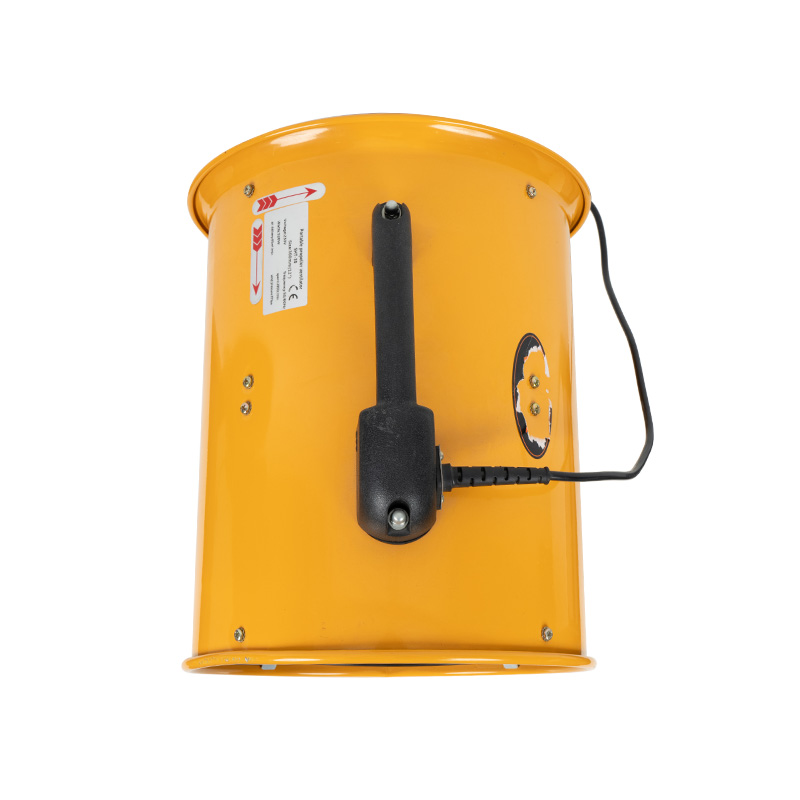 ABA01 Iron-Shell Axial Fan for Industrial Continuous UseA durable axial fan with speed control compatibility, ideal for workshops and warehouses. It reduces energy waste and noise when paired with a triac controller.View Product →
The benefits are practical and measurable. Fan power consumption changes sharply with speed: for a given fan, cutting speed by 20 percent can reduce power use by roughly half, because moving air slower demands much less energy. Slower fans also generate less turbulence and blade noise, which improves the work environment. Because the motor does not spend all day at full speed, bearings and windings run cooler and last longer. In drying and ventilation tasks, speed control also lets operators match airflow to the job instead of guessing with simple on/off cycles.
Before settling on a controller, it is worth reviewing the range of available duct fan systems and matching the two together. The controller is only one half of the pair; the motor it drives matters just as much.
Fan speed control is a combination of electrical regulation and motor design. Whether it is a triac chopping the mains waveform, a capacitor switching in and out, or a PWM signal driving a brushless motor, the goal is the same: match airflow to the actual need. Understanding how these methods work helps you buy better equipment, set it up correctly, and make use of the energy and noise savings that variable-speed operation can deliver.
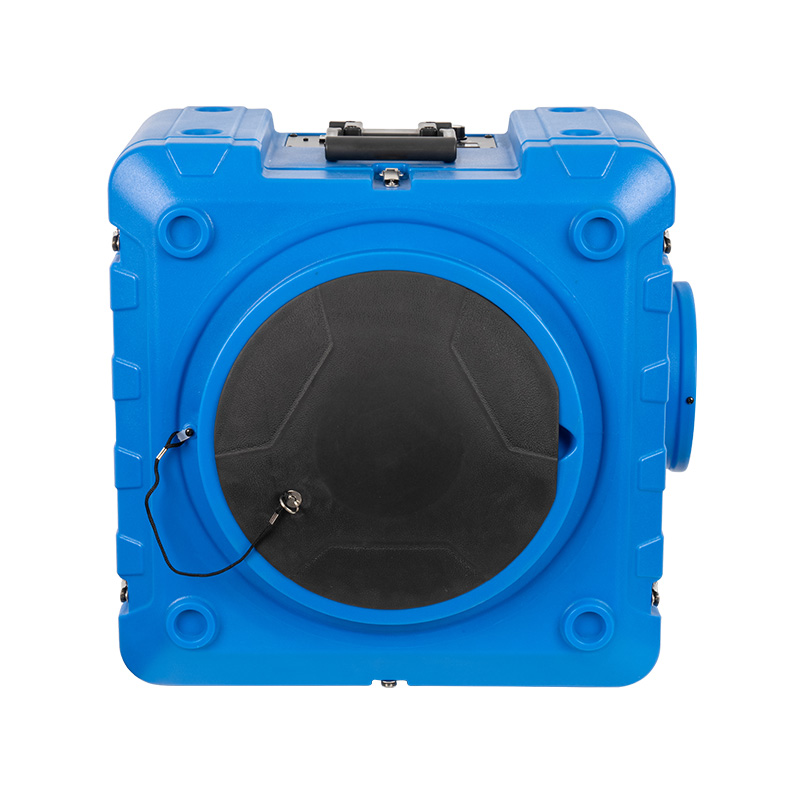
Three-Stage Filtration: The air scrubber features a three-stage filtration system that includes a pre-filter (MERV-10), carbon filter, and H13 HEPA filter. It effectively removes dust, pollen, smoke, ...
See Details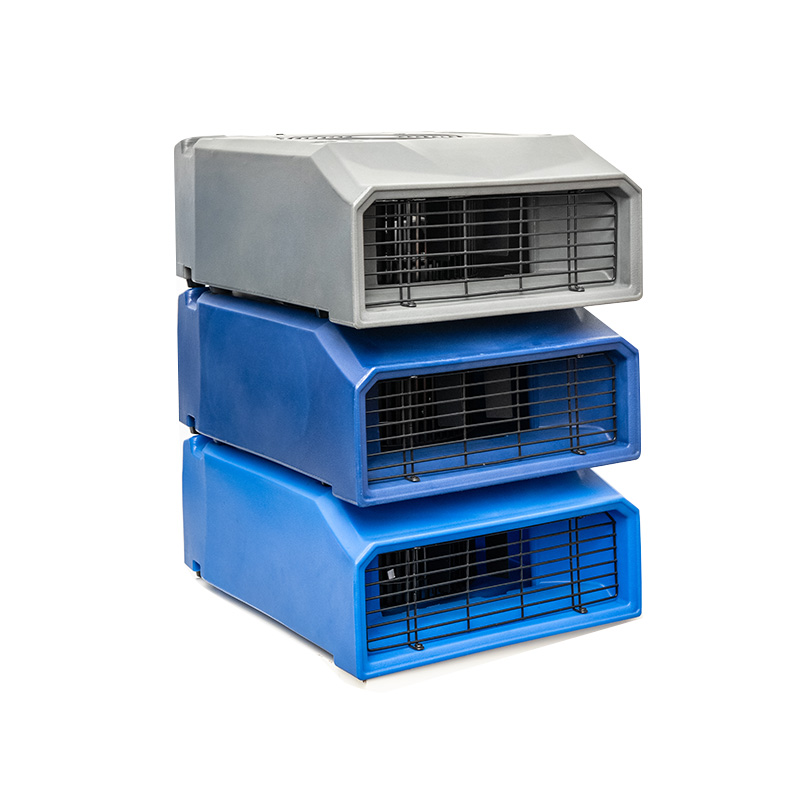
The AM-B01 High Air Volume Thin Carpet Dryers are equipped with a powerful motor that generates a high volume of airflow to ensure that your carpet dries thoroughly and quickly. This high air volume n...
See Details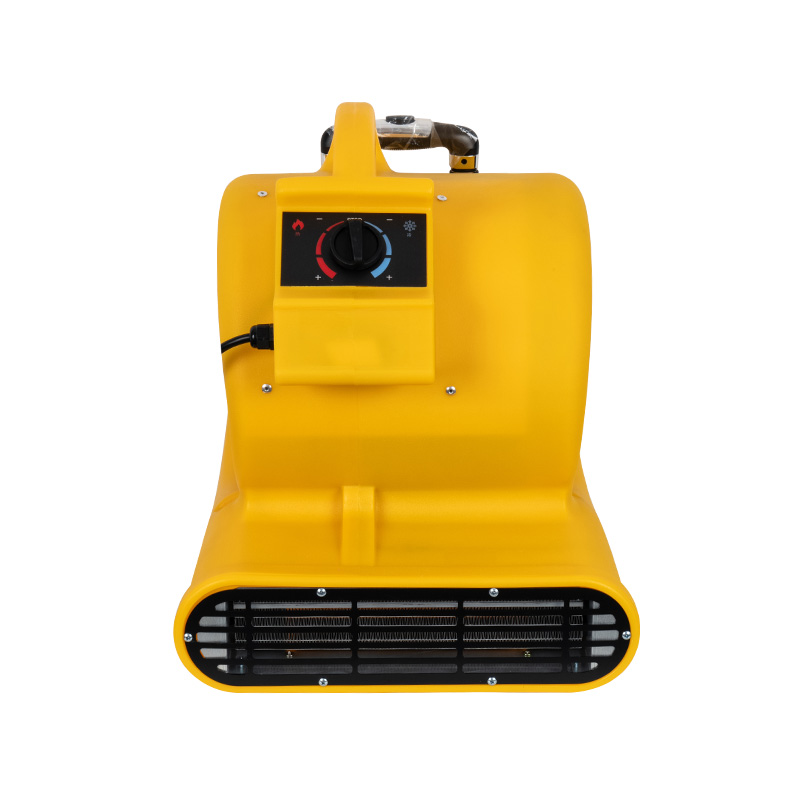
The AM-A01 Hot and Cold Carpet Drying Fans are versatile units designed to speed up the carpet drying process by utilizing hot and cold air. Combining the benefits of hot and cold air circulation, the...
See Details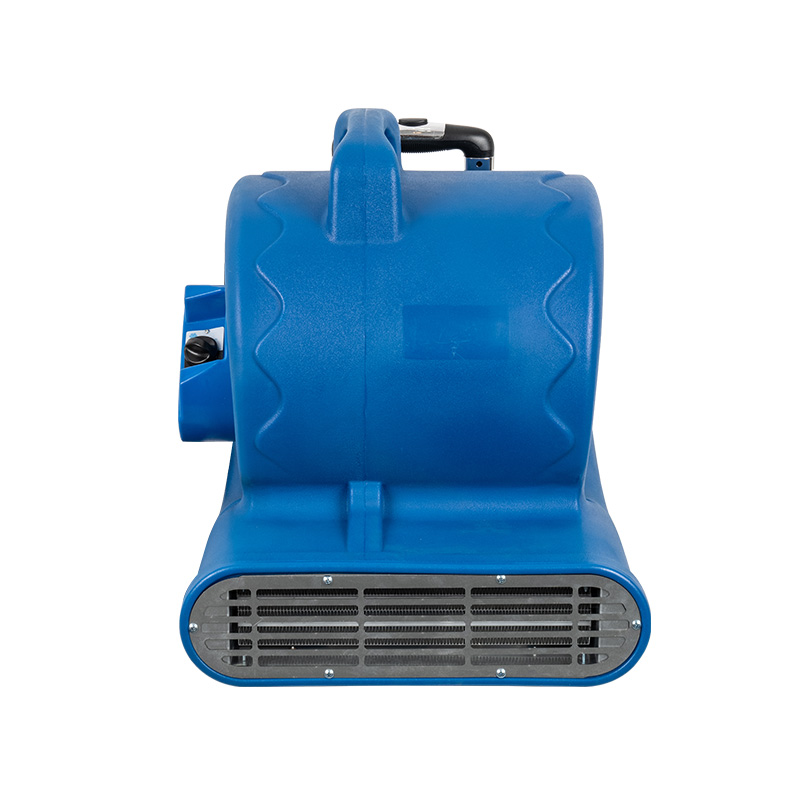
AM-A02 Multi-wing Centrifugal Wind Wheel Carpet Dryers effectively increase wind power and airflow for faster and more efficient carpet drying through the use of multi-wing centrifugal wind wheel tech...
See Details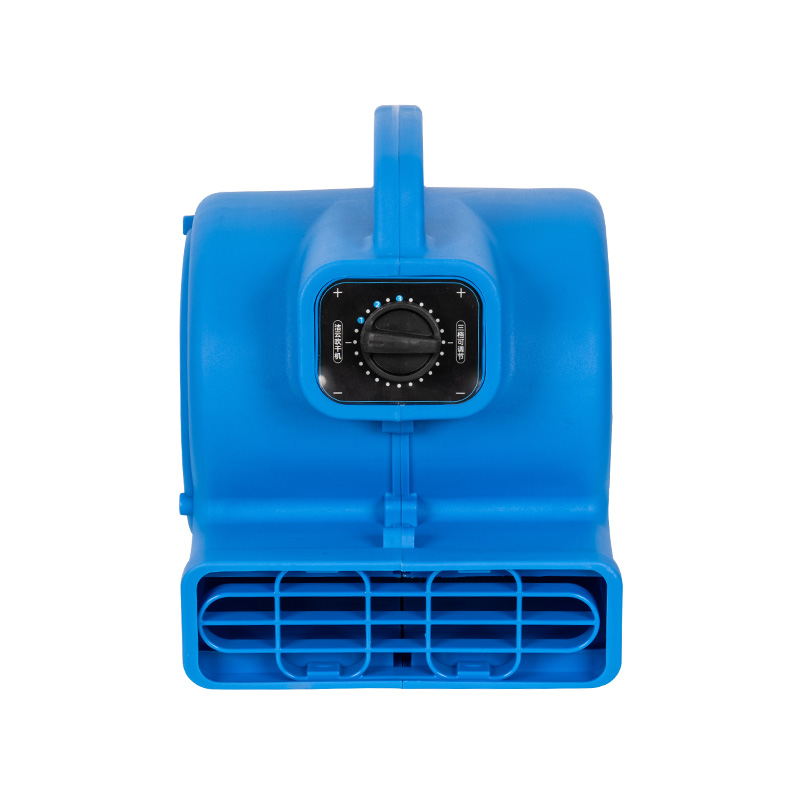
The AM-A03 Small Axial Floor Carpet Dryer is a highly efficient and versatile drying unit with a centrifugal air mover for faster surface drying. Not only is it suitable for drying carpets, floors, fu...
See Details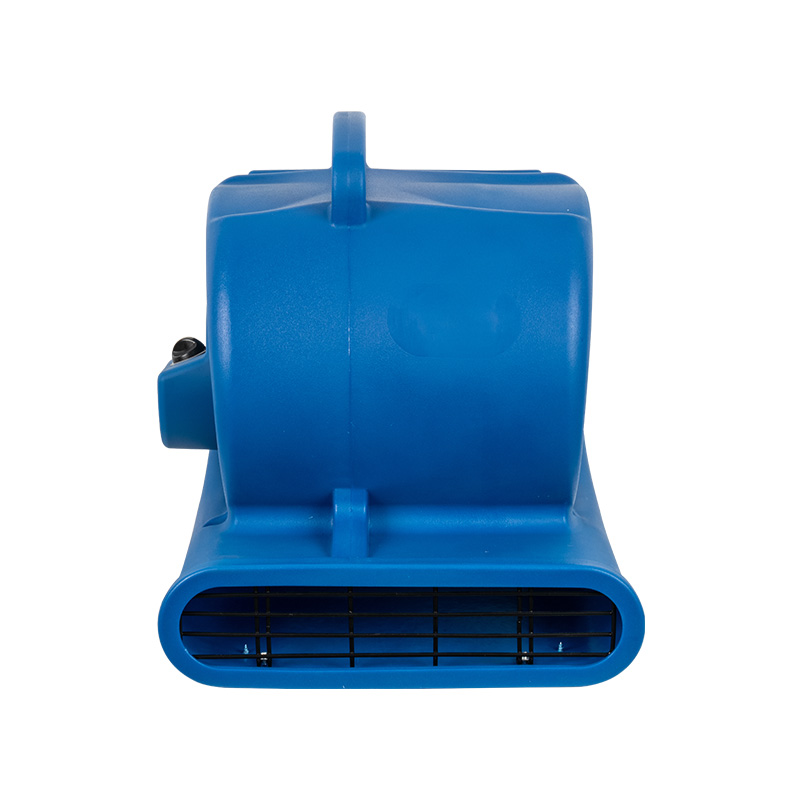
The AM-A04 Lightweight Portable Carpet Wall Floor Dryer features advanced centrifugal air movement technology for faster surface drying results. Not only is it suitable for a wide range of carpet, flo...
See DetailsStore Information
No. 88, Yuexin Road, Sanjiang Street, Shengzhou City, Shaoxing City, Zhejiang Province, China
+86-13819532379
Links
Products
Mobile Terminal
