
 English
 русский
 Deutsch
 Español

News
Home / News / Industry News / How Many Centrifugal Air Movers Per 15 Amp Circuit Should a Restoration Crew Run?
Content
Water damage restoration is a race against time, and the right air movers make all the difference. When restoration teams set up a drying job, one practical question comes up again and again: how many centrifugal air movers per 15 amp circuit can you safely run? A wrong guess can mean a tripped breaker in the middle of the night, slowed drying, and extra trips to the panel. The good news is that the answer is simple if you understand the load.
As a manufacturer that builds air moving equipment for professional drying work, we have spent years fielding this question from technicians, project managers, and business owners. There is no single universal number, because equipment varies. But for typical centrifugal air movers used in restoration, there is a solid rule of thumb that keeps circuits safe and drying on schedule.
Most centrifugal air movers used in water damage restoration draw approximately 3 amps when running at high speed. The National Electrical Code recommends that continuous loads, which are loads expected to operate for three hours or more, should not exceed 80 percent of a circuit breaker's rating. For a 15 amp circuit, the safe continuous load is 12 amps. That means you can run four 3-amp centrifugal air movers on one 15 amp circuit: 4 x 3 = 12 amps. Adding a fifth unit would bring the load to 15 amps, which leaves no safety margin and increases the chances of breaker trips, overheated wiring, and unplanned downtime.
| Air Movers | Total Amps | Percentage of Circuit | Status |
|---|---|---|---|
| 1 | 3 A | 20% | Safe |
| 2 | 6 A | 40% | Safe |
| 3 | 9 A | 60% | Safe |
| 4 | 12 A | 80% | Maximum recommended |
| 5 | 15 A | 100% | Not recommended |
 AM-A02 Multi-Wing Centrifugal Carpet DryerThis model features three adjustable speeds, hot and cold air modes, and multi-angle blowing for efficient drying in restoration and facility settings.View Product →
The 3-amp figure is a useful benchmark, but not every centrifugal air mover is the same. Some small, low-profile units draw about 2.4 amps, while larger commercial models can draw noticeably more. Motor type, fan wheel design, speed control, and even cord length all influence the actual running current. Before you rely on any calculation, check the nameplate on each unit. The manufacturer's amperage rating is the number you should use in your load math.
Centrifugal designs use a wheel that pulls air in one direction and pushes it out another, which is different from the straight-line airflow of axial blowers. If you are comparing equipment types, our guide on centrifugal vs. axial fan differences explains how these designs affect airflow patterns and power consumption. In restoration, the choice often comes down to where you need the air delivered, but the electrical load calculation stays the same: total amps must stay below 12.
The theoretical capacity of a 15 amp circuit is straightforward, but real job sites are rarely theoretical. Extension cords, old wiring, shared receptacles, and warm attics can all reduce a circuit's practical capacity. That is why the 80% rule exists. When drying equipment runs all day and all night, conductors have time to heat up. Keeping the load at 80% of the breaker rating prevents nuisance trips and reduces strain on the equipment.
It also helps to think about the entire circuit, not just the air movers. Even if you plug in four 3-amp air movers, a dehumidifier or a utility light on the same circuit can easily push the total past the safe limit. For a reliable setup, dedicate the circuit to air movers only, or account for every device that is drawing current from the same panel.
Each of these steps helps you use the available 12 amps in a safe, predictable way. It is better to take a few extra minutes to map out the circuits than to reset breakers all night.
When you are planning a drying layout, electrical capacity is only one part of the equation. Airflow performance, noise level, ease of transport, and the ability to position the unit close to wet surfaces matter just as much. A centrifugal air mover with an efficient wheel design can move large volumes of air without drawing excessive current, which makes it easier to fit the right number of machines on a circuit.
From a manufacturing perspective, we pay close attention to the real conditions restoration crews face. That is why our product range includes models with multiple speed settings, stable housings, and dependable motors that start reliably after being shipped around the world. Whatever brand you choose, ask for the running amperage in writing so you can make accurate circuit plans. A responsible supplier will provide specifications that match what you see on the nameplate.
For most centrifugal air movers rated at 3 amps, the safe answer is four units on a dedicated 15 amp circuit. This keeps the continuous load at 12 amps and follows recommended electrical practice.
Use the same formula: divide 12 amps by the nameplate amperage. For example, 12 divided by 2.5 equals 4.8, so four units are still the appropriate whole-number answer. If a unit draws exactly 2.4 amps, five units would total 12 amps, but only if nothing else is connected to the circuit.
Technically the breaker can handle 15 amps, but continuous operation at 100% is not recommended. The result is usually a tripped breaker after a few hours, plus avoidable stress on the wiring and the motors.
No. Dehumidifiers often draw 5 to 8 amps on their own, so placing them on the same circuit as four air movers will exceed the safe load. Run dehumidifiers on a separate 15 or 20 amp circuit whenever possible.
Knowing how many centrifugal air movers per 15 amp circuit you can run is a small but vital part of restoration planning. Four units is the practical maximum for typical 3-amp equipment, and the 80% rule keeps the setup within safe limits. Still, always check the nameplate ratings of your own equipment and account for every load on the circuit. With a clear plan, you can keep drying equipment running continuously, protect the crew, and finish the job faster.
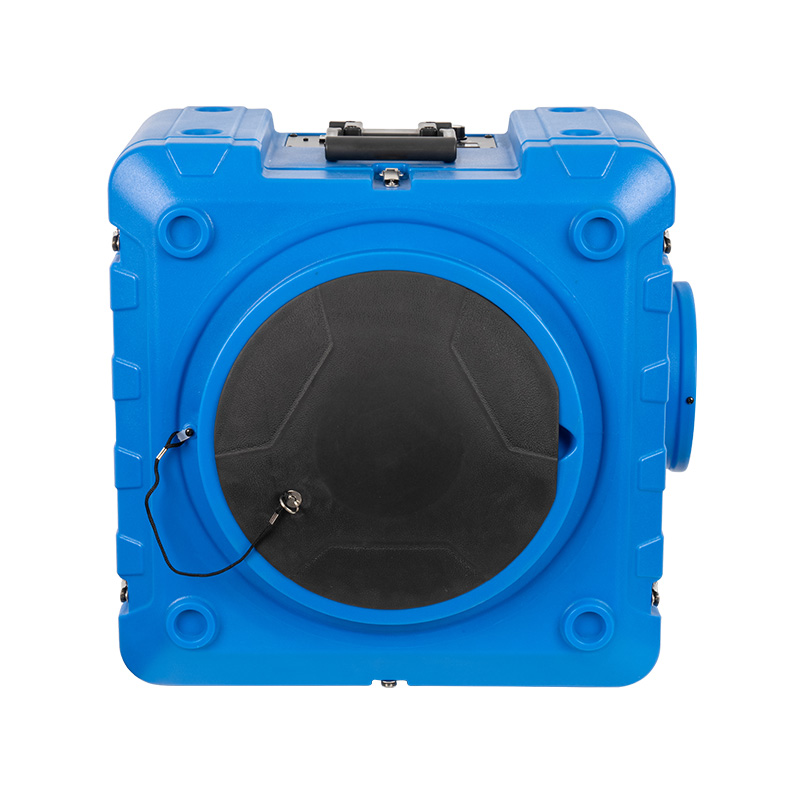
Three-Stage Filtration: The air scrubber features a three-stage filtration system that includes a pre-filter (MERV-10), carbon filter, and H13 HEPA filter. It effectively removes dust, pollen, smoke, ...
See Details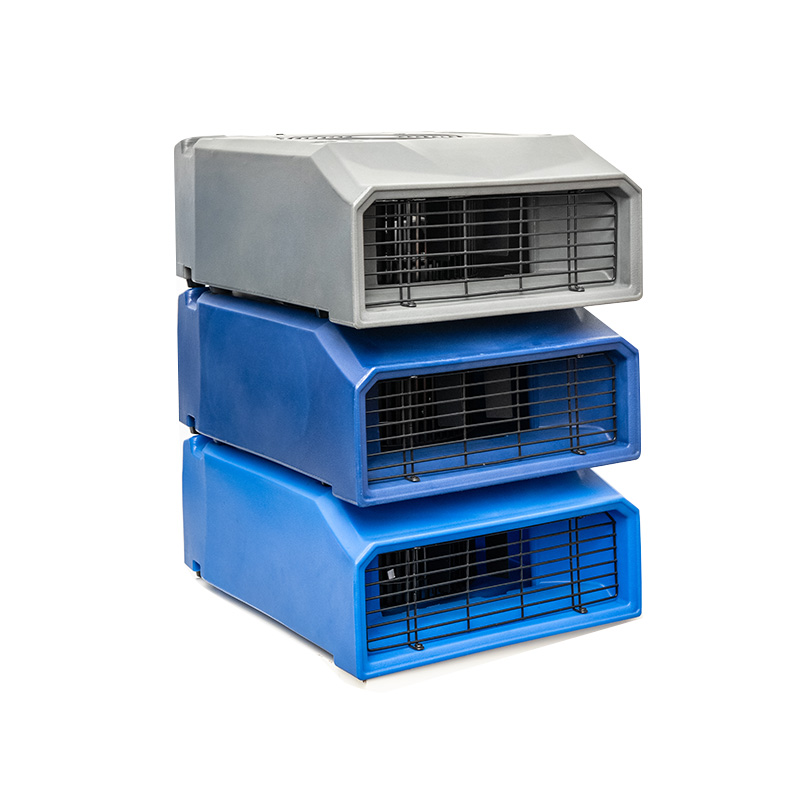
The AM-B01 High Air Volume Thin Carpet Dryers are equipped with a powerful motor that generates a high volume of airflow to ensure that your carpet dries thoroughly and quickly. This high air volume n...
See Details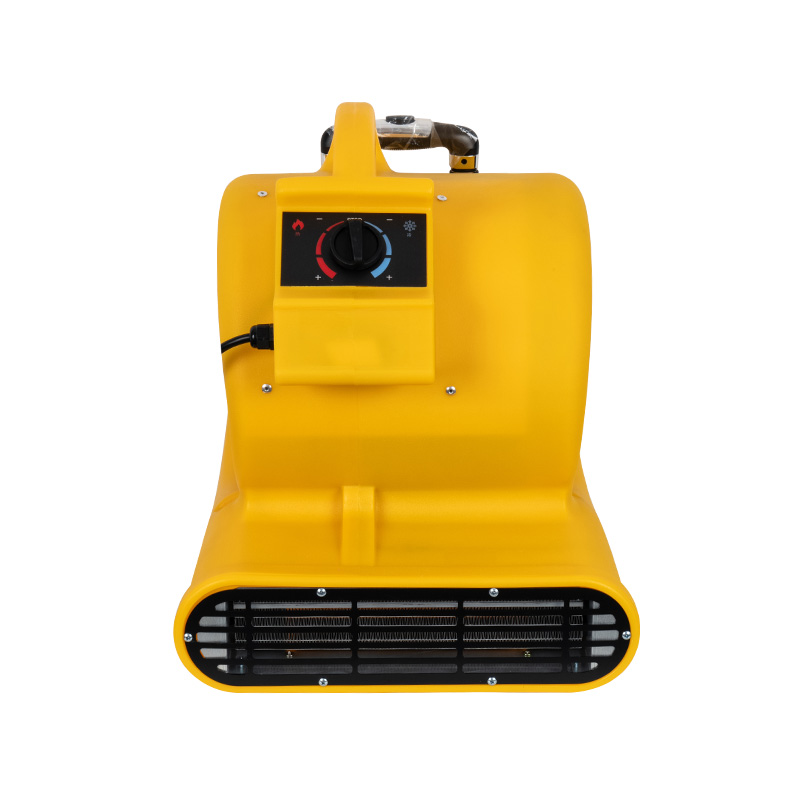
The AM-A01 Hot and Cold Carpet Drying Fans are versatile units designed to speed up the carpet drying process by utilizing hot and cold air. Combining the benefits of hot and cold air circulation, the...
See Details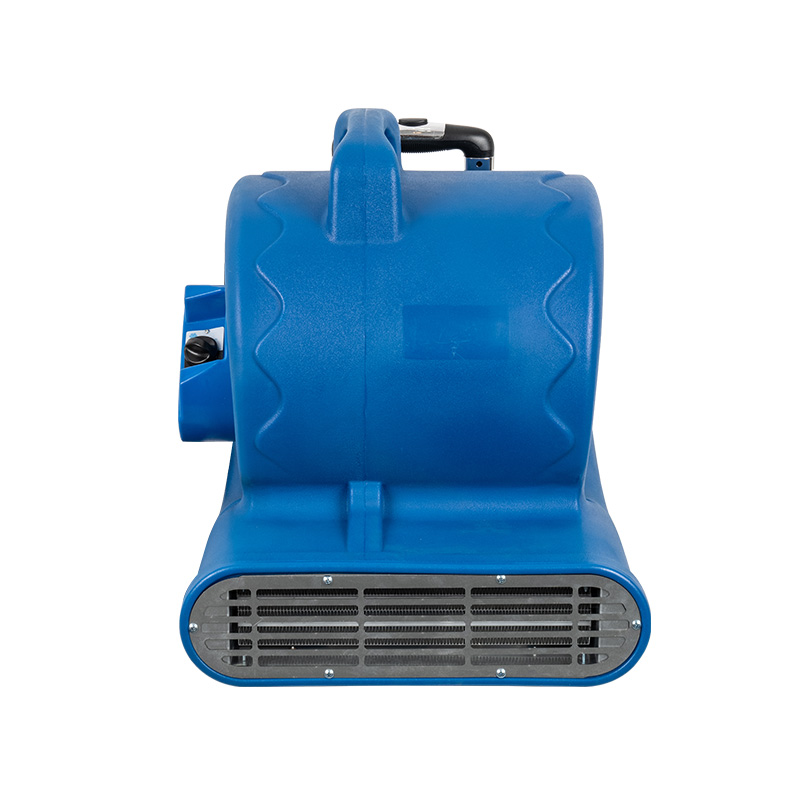
AM-A02 Multi-wing Centrifugal Wind Wheel Carpet Dryers effectively increase wind power and airflow for faster and more efficient carpet drying through the use of multi-wing centrifugal wind wheel tech...
See Details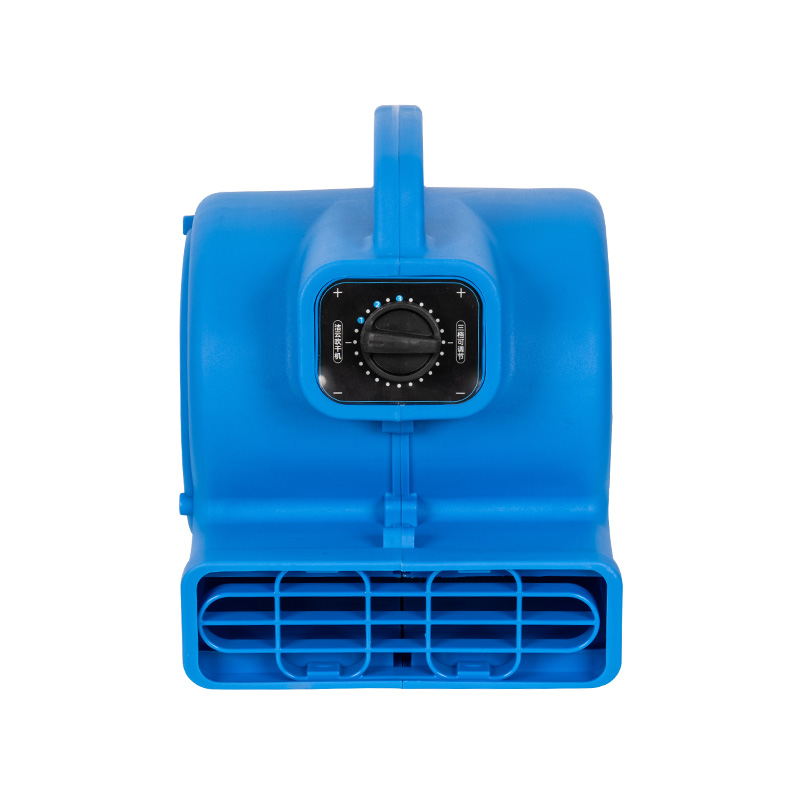
The AM-A03 Small Axial Floor Carpet Dryer is a highly efficient and versatile drying unit with a centrifugal air mover for faster surface drying. Not only is it suitable for drying carpets, floors, fu...
See Details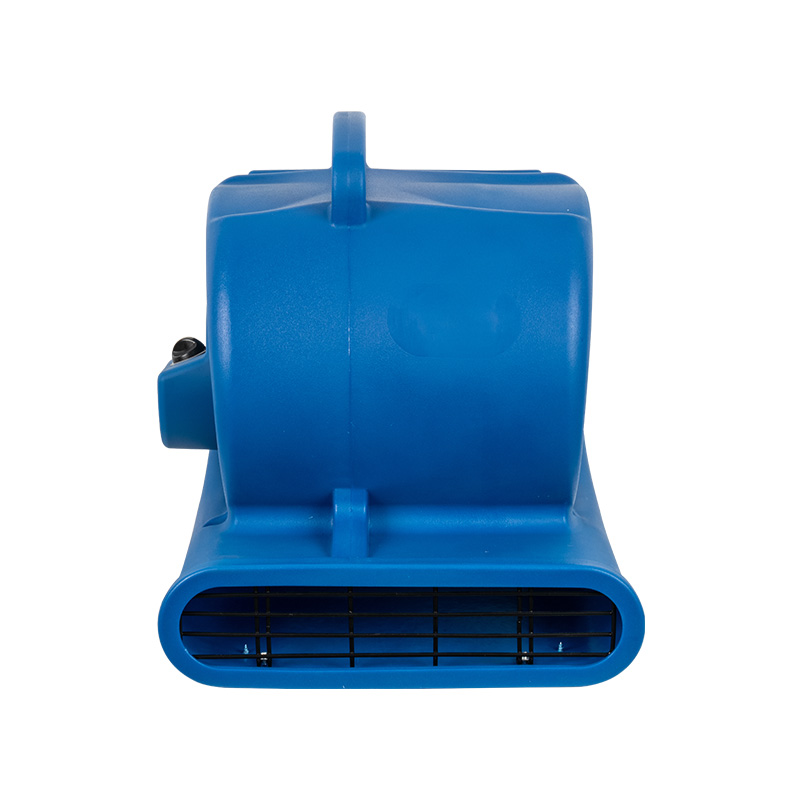
The AM-A04 Lightweight Portable Carpet Wall Floor Dryer features advanced centrifugal air movement technology for faster surface drying results. Not only is it suitable for a wide range of carpet, flo...
See DetailsStore Information
No. 88, Yuexin Road, Sanjiang Street, Shengzhou City, Shaoxing City, Zhejiang Province, China
+86-13819532379
Links
Products
Mobile Terminal
