
 English
 русский
 Deutsch
 Español

News
Home / News / Industry News / how many cfm do i need for a 10x10 room: Practical Applications, Selection, Performance
Content
Short answer: for a 10 ft by 10 ft room, plan on roughly 100 to 150 CFM for a typical residential cooling supply. That is a useful starting point, not a universal answer. If you are sizing exhaust ventilation, a carpet dryer, an air scrubber, or a duct fan, the right number can be lower or higher. The room is 100 sq ft, and with an 8 ft ceiling it contains 800 cu ft. Those two figures are where the real calculation begins.
CFM means cubic feet per minute. It measures airflow, not room size by itself. A 10x10 room might need one airflow level to remove heat, another to exhaust moisture and odors, and another to filter particles or dry a wet carpet. Even two rooms with the same floor plan can need different CFM if one has a large window in direct sun and the other is shaded and well insulated.
That is why a simple “CFM per square foot” rule is helpful for a first estimate but risky as a final answer. The purpose of the airflow changes the target. So does ceiling height, occupancy, equipment load, duct length, filter resistance, and local code.
For general ventilation and air cleaning, a common method uses air changes per hour, or ACH. The formula is: CFM = (room volume × ACH) ÷ 60. For a 10x10 room with an 8 ft ceiling, the volume is 800 cu ft. If you want four air changes per hour, the math is (800 × 4) ÷ 60 = 53 CFM. At eight air changes per hour, it is about 107 CFM.
| Air changes per hour | CFM for 800 cu ft | Typical planning use |
|---|---|---|
| 4 ACH | 53 CFM | Light general air exchange |
| 6 ACH | 80 CFM | Moderate room ventilation |
| 8 ACH | 107 CFM | Stronger filtration or air movement |
| 10 ACH | 133 CFM | Higher-demand cleaning or drying support |
| 12 ACH | 160 CFM | Heavy-duty use with professional guidance |
Use this table as a planning aid, not a substitute for local code or a room-by-room load calculation. The ACH target should match the job. A bedroom, a bathroom, a drying room, and a small workshop do not share the same ventilation goal.
For residential cooling, many contractors begin with about 1 CFM per square foot of floor area. That gives 100 CFM for a 100 sq ft room. In practice, a 10x10 room often lands in the 100 to 150 CFM range for supply air, depending on climate, window area, insulation, ceiling height, and how the room connects to the rest of the house.
This is where a rule of thumb can mislead. The often-quoted 400 CFM per ton is a system-level cooling estimate, not a room-by-room supply target. A small room with a west-facing window and poor insulation can need more airflow than a shaded interior room of the same size. If you are replacing a system or fixing a hot room, ask for a room-by-room load calculation and a duct design check. The supply register, throw pattern, and return path matter as much as the CFM number.
For a 10x10 bathroom, a simple starting point is about 1 CFM per square foot, or roughly 100 CFM. Local code, duct length, and the fan’s actual delivered airflow still govern. For general occupant ventilation, the calculation is usually based on people, floor area, and the type of space, not just square footage alone. A small room with two occupants may need far less outdoor air than a crowded craft room with solvents or equipment.
Drying is different from comfort cooling. Air movers are selected to evaporate moisture from surfaces, and placement often matters more than the biggest CFM number on the box. A compact carpet dryer with a focused airflow pattern can be more useful in a 10x10 room than a large blower aimed at the ceiling. For water-damage work, follow professional IICRC S500 air mover guidance and adjust for the class of water intrusion, flooring, and humidity.
 AM-A05 Lightweight Compact Carpet Dryer for Drying and Air CirculationA stackable three-speed air mover with adjustable drying positions and 600 CFM, suited to small rooms where focused airflow matters more than size.View Product →
An air scrubber is sized by the filtered airflow it can deliver and the number of air changes you want. In an 800 cu ft room, 6 ACH is about 80 CFM and 8 ACH is about 107 CFM. A scrubber rated at 200 to 300 CFM can provide that turnover, but filters, pre-filters, and ducting reduce real delivered airflow. In a small room, a lower-CFM unit running steadily may be quieter and more practical than a large unit cycling on and off.
 Negative Air Scrubber with Three-Stage HEPA FiltrationA portable scrubber with MERV-10, carbon, and H13 HEPA stages, available in multiple airflow ratings for matching room air-change needs.View Product →
A duct fan must overcome static pressure from duct length, bends, grilles, and filters. A fan rated at 200 CFM in free air may deliver much less once it is connected to a long flexible duct. For a 10x10 room, choose the fan and duct size together. Our ducted fan options include speed-adjustable and low-noise models, but the right choice still depends on the installed system, not the catalog rating alone.
Rated CFM is a starting point. Delivered CFM is what matters after the air passes through a filter, grille, duct, or tight turn. A blower that moves a lot of air in open space may lose performance when connected to a duct run. A high-CFM fan can also be noisy, create drafts, or stir up dust if it is oversized for a small room.
For drying and air circulation in a 10x10 space, look at the airflow pattern as well as the number. A focused axial blower can push air across a wet floor, while a broader air mover can help with general circulation. The ABA01 axial flow fan is one practical example of a robust open-area blower for drying and ventilation support.
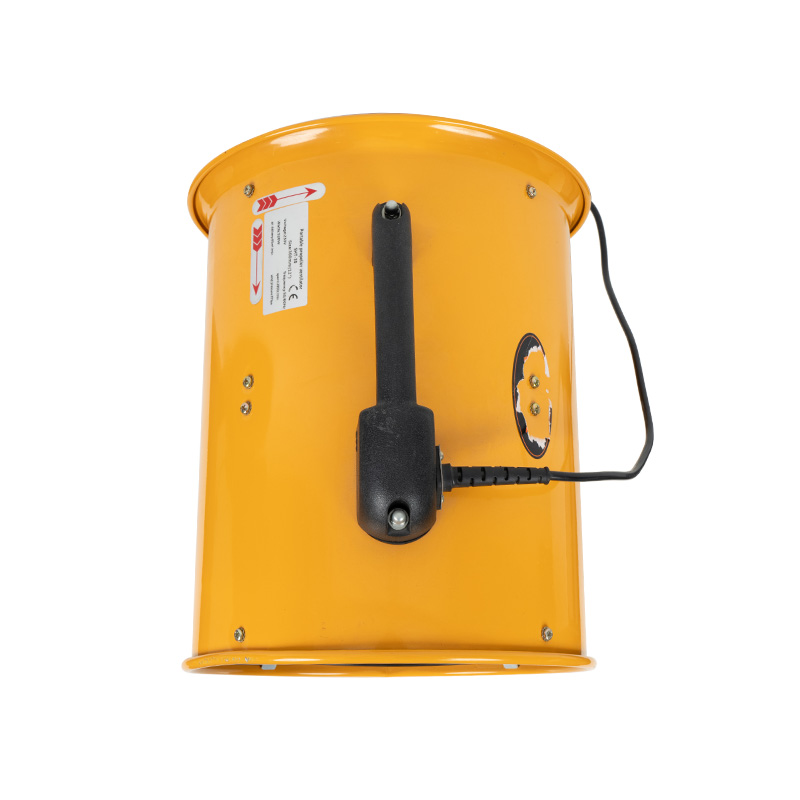 AB-A01 Axial Flow Fan with Telescopic DuctA metal-body axial blower with 7 blades and optional telescopic duct, useful for focused drying and open-area ventilation in workshops or similar spaces.View Product →
For a 10x10 room, the common HVAC answer is about 100 to 150 CFM of supply air. For general air exchange, 4 to 8 ACH works out to roughly 53 to 107 CFM in an 800 cu ft room. For a bathroom exhaust, about 100 CFM is a reasonable starting point. For drying, scrubbing, or ducted ventilation, match the equipment to the task and check delivered airflow, not just the label. If you share the ceiling height, room use, and equipment type, our team can help you narrow the choice without oversizing the job.
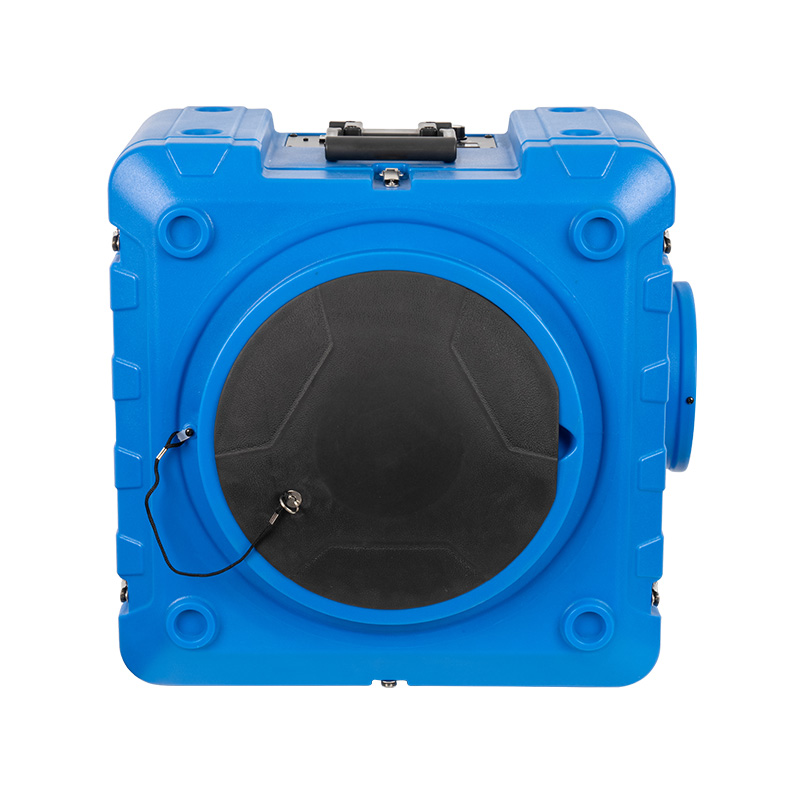
Three-Stage Filtration: The air scrubber features a three-stage filtration system that includes a pre-filter (MERV-10), carbon filter, and H13 HEPA filter. It effectively removes dust, pollen, smoke, ...
See Details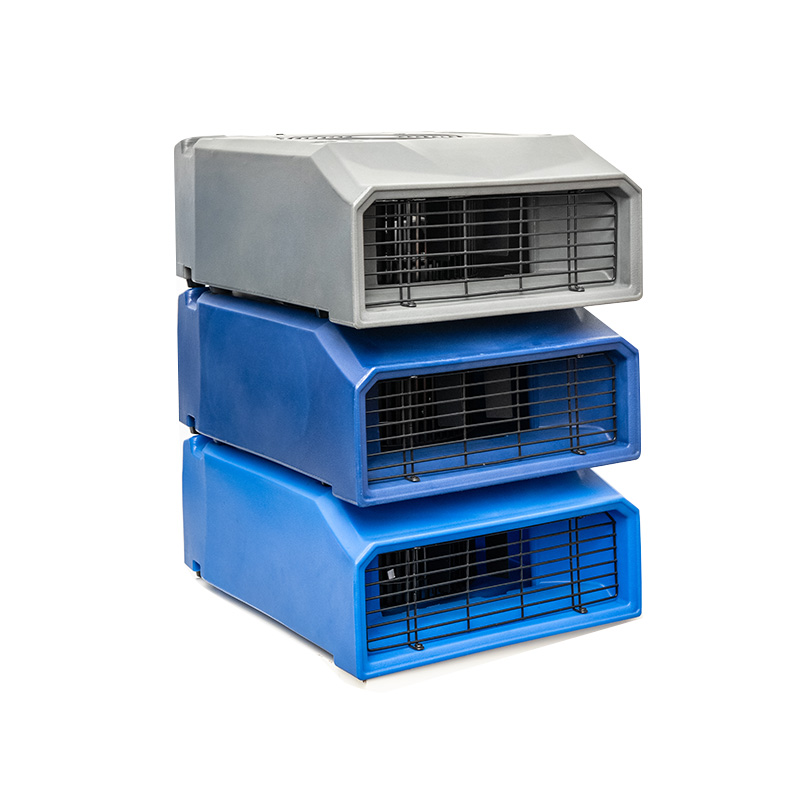
The AM-B01 High Air Volume Thin Carpet Dryers are equipped with a powerful motor that generates a high volume of airflow to ensure that your carpet dries thoroughly and quickly. This high air volume n...
See Details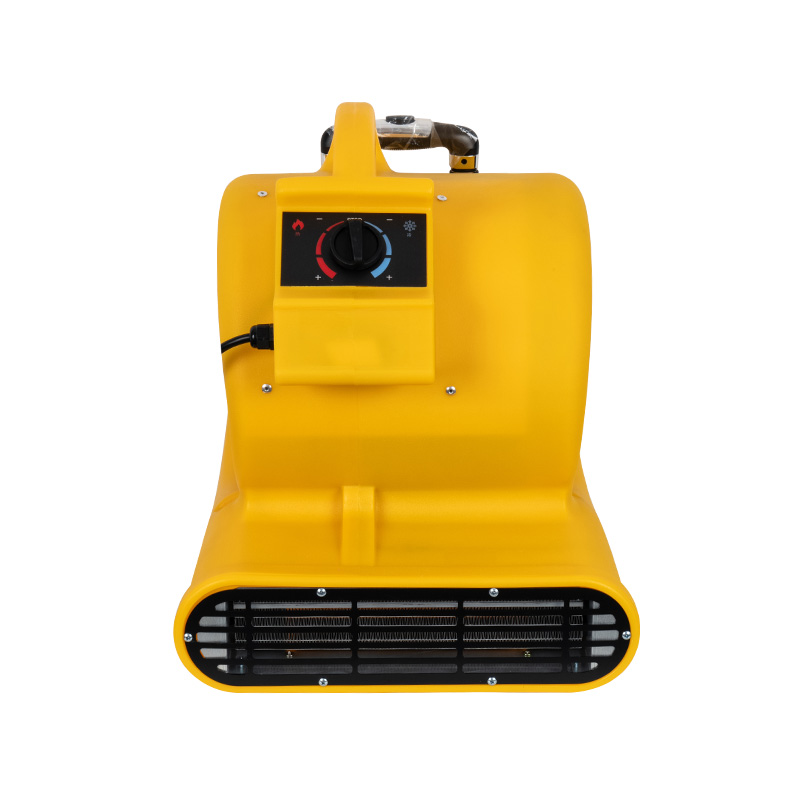
The AM-A01 Hot and Cold Carpet Drying Fans are versatile units designed to speed up the carpet drying process by utilizing hot and cold air. Combining the benefits of hot and cold air circulation, the...
See Details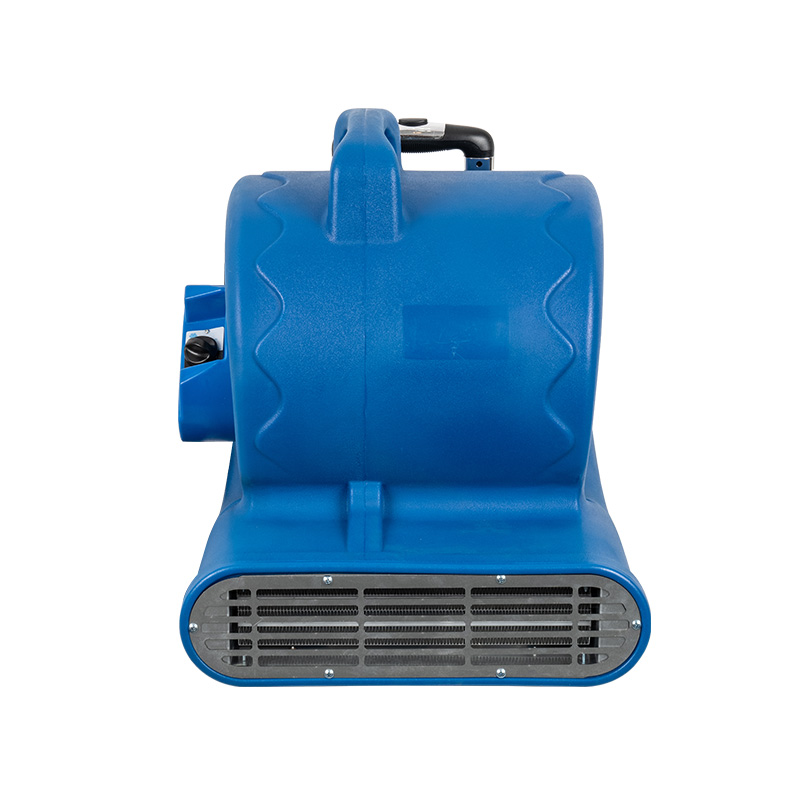
AM-A02 Multi-wing Centrifugal Wind Wheel Carpet Dryers effectively increase wind power and airflow for faster and more efficient carpet drying through the use of multi-wing centrifugal wind wheel tech...
See Details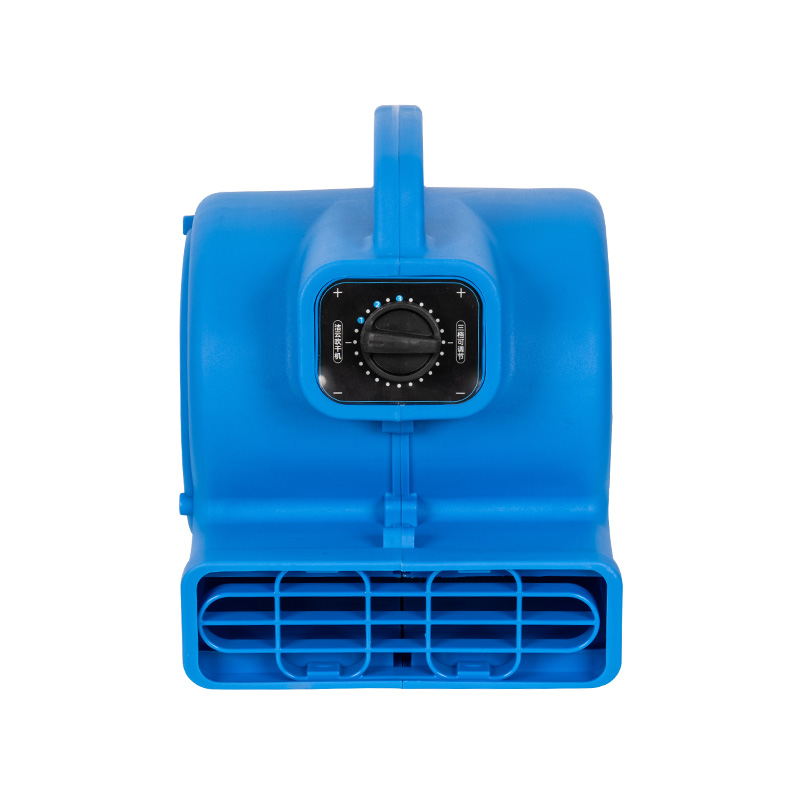
The AM-A03 Small Axial Floor Carpet Dryer is a highly efficient and versatile drying unit with a centrifugal air mover for faster surface drying. Not only is it suitable for drying carpets, floors, fu...
See Details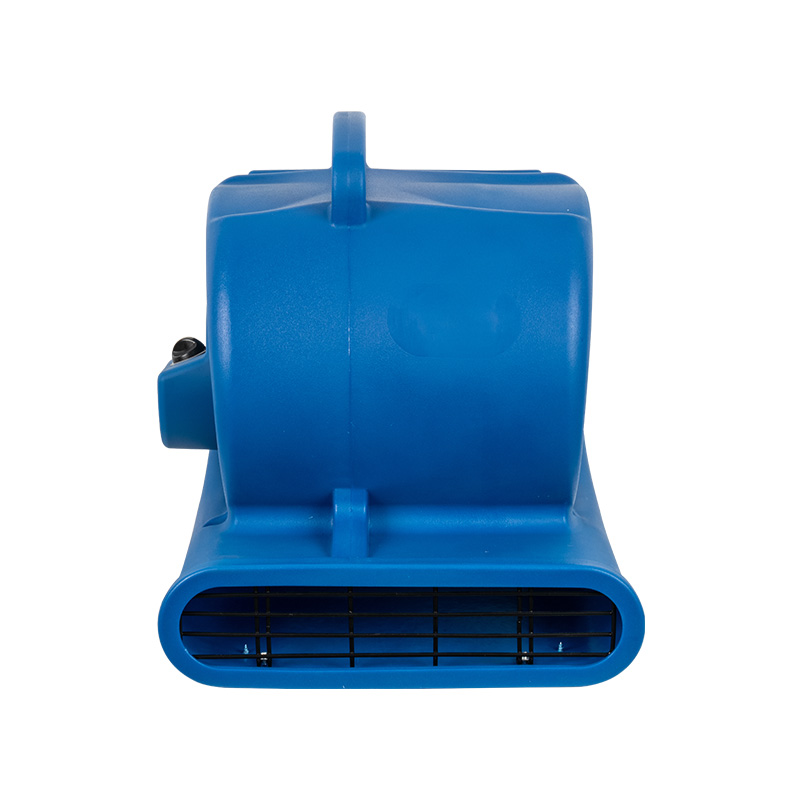
The AM-A04 Lightweight Portable Carpet Wall Floor Dryer features advanced centrifugal air movement technology for faster surface drying results. Not only is it suitable for a wide range of carpet, flo...
See DetailsStore Information
No. 88, Yuexin Road, Sanjiang Street, Shengzhou City, Shaoxing City, Zhejiang Province, China
+86-13819532379
Links
Products
Mobile Terminal
