
 English
 русский
 Deutsch
 Español

News
Home / News / Industry News / How Many CFM Do I Need for 1,000 Square Feet? A Practical Sizing Guide
Content
If you're sizing air movement equipment for a 1,000-square-foot space, the first question that usually comes up is: how many CFM do I need? As a manufacturer of fans, air movers, and dehumidifiers, we hear this question constantly — from contractors planning ventilation, restoration crews drying wet buildings, and facility managers upgrading indoor air quality. The short answer is that a 1,000 sq ft space typically needs somewhere between 533 and 1,333 CFM, depending on the application. But to get the number right, it helps to understand the simple math behind it.
CFM stands for cubic feet per minute, and it measures volumetric airflow. Every fan, blower, air mover, and ventilation unit carries a CFM rating that tells you how much air it moves in one minute. The right CFM keeps a room fresh, removes moisture, clears odors and contaminants, and even accelerates the drying of wet surfaces.
For a 1,000 sq ft space, the required CFM depends on three variables: the volume of the space, how often the air needs to be replaced, and the specific job the airflow is supposed to do. That's why a warehouse, a restaurant dining area, and a flooded basement all have different answers, even when the floor area is the same.
The most widely used formula for sizing ventilation is:
CFM = (Area in sq ft × Ceiling height in ft × Air changes per hour) ÷ 60
Here's how to work through it for a 1,000 sq ft space:
For example, a 1,000 sq ft living area with an 8 ft ceiling and a target of 6 air changes per hour works out to 1,000 × 8 × 6 ÷ 60 = 800 CFM. Raise the ceiling to 10 ft, and the same calculation gives 1,000 × 10 × 6 ÷ 60 = 1,000 CFM.
| Space type | Air changes per hour | CFM for 1,000 sq ft (8 ft ceiling) |
|---|---|---|
| Residential living areas | 4–6 | 533–800 |
| Kitchens and bathrooms | 6–8 | 800–1,067 |
| Offices and meeting rooms | 4–6 | 533–800 |
| Restaurants and cafés | 8–10 | 1,067–1,333 |
| Gyms and active spaces | 6–10 | 800–1,333 |
| Warehouses and light industrial | 6–8 | 800–1,067 |
As a quick rule of thumb, 1 CFM per square foot — or about 1,000 CFM for a 1,000 sq ft space — is a safe starting point for general ventilation with standard 8 ft ceilings. For high-activity or moisture-heavy spaces, aim toward the upper end of the range.
For ordinary occupied rooms, most building guidance recommends 4 to 6 air changes per hour. On a 1,000 sq ft footprint with 8 ft ceilings, that translates to approximately 533 to 800 CFM. If the space is used for cooking, dining, or physical activity, plan for 1,000 to 1,333 CFM to handle odor, smoke, and heat removal.
Drying wet carpet, flooring, or walls uses a different logic. Instead of changing the room air a few times per hour, you want high-velocity airflow moving directly across wet surfaces. Professional drying standards such as the IICRC S500 recommend positioning air movers based on coverage rather than a single room-wide CFM target. For a 1,000 sq ft area, restoration crews typically place multiple air movers, each rated at 300 to 900 CFM, to create a sweeping airflow pattern across the floor. See our guide on how many air movers per square foot the IICRC S500 recommends for a closer look.
When the task is cleaning the air — removing dust, mold spores, VOCs, or odors — negative air machines and air scrubbers are sized by the same volume formula. A 1,000 sq ft space with an 8 ft ceiling holds 8,000 cubic feet of air. Running a scrubber at 533 CFM with a target of 4 air changes per hour cleans the full volume about 4 times per hour, which is adequate for many residential settings. Heavy remediation work may call for 6 to 8 air changes per hour, or 800 to 1,067 CFM.
Dehumidifiers are rated in pints per day, but airflow still matters. Without sufficient circulation, pockets of humid air remain trapped near floors and walls. Combining a dehumidifier with air movers or axial fans spreads drier air evenly, so the whole 1,000 sq ft area benefits rather than just the space around the unit.
Once you know the CFM you need, the next step is choosing equipment that delivers it efficiently. We manufacture a wide range of air movers and ventilation products that covers most 1,000 sq ft applications.
For general ventilation in a 1,000 sq ft workspace, residential room, or commercial area, an inline duct fan or axial blower rated at 800 to 1,000 CFM is a natural fit. Our adjustable-speed duct fans let you dial the airflow up or down to match the season, occupancy, and indoor air quality targets.
 Variable-Speed Duct Fan for Residential and Light Commercial VentilationThis adjustable duct fan suits 1,000 sq ft spaces by matching airflow from 290 to 1200 m³/h, helping you fine-tune ventilation, humidity, and temperature in homes, grow rooms, and workshops.View Product →
If your 1,000 sq ft question is about drying after cleaning or water damage, high-velocity air movers are the right tool. Compact carpet dryers with 300 to 900 CFM ratings can be spaced around the room to keep air moving across every wet surface, which shortens drying time and reduces the risk of mold.
 Compact Carpet Dryer Air Mover for Rapid Floor and Surface DryingWith 600 CFM, three speeds, and multi-angle airflow, this lightweight air mover excels at drying carpets and hard-to-reach areas after cleaning, speeding up the process and reducing mold risk.View Product →
For damp basements, crawl spaces, or humid industrial rooms, pair your airflow with a dehumidifier sized for the room volume. A portable industrial dehumidifier handles the moisture load while your fans keep the air mixed, preventing condensation from settling back onto surfaces.
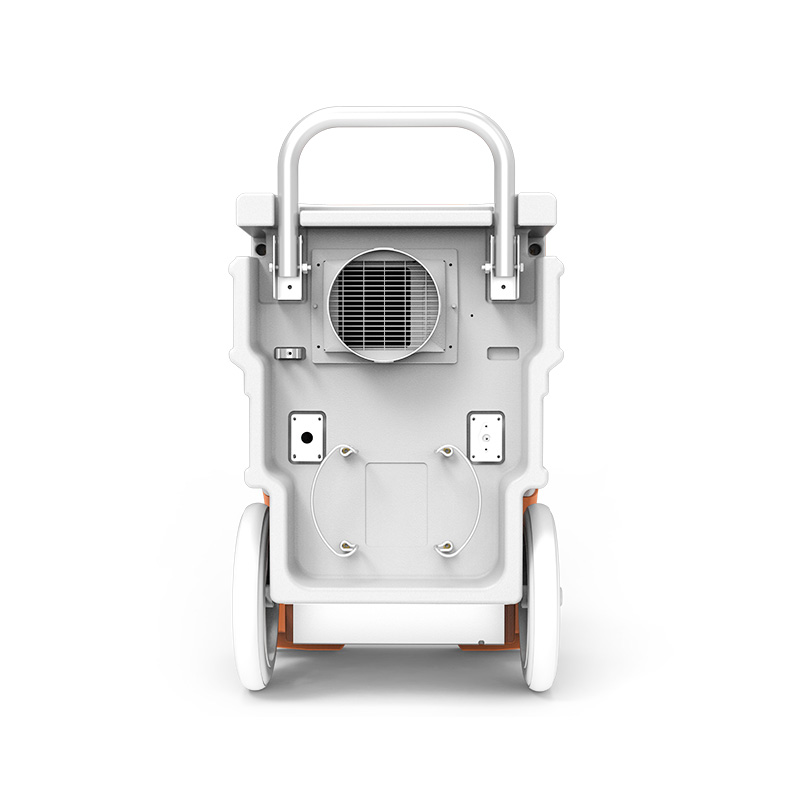 Portable Industrial Dehumidifier for Large Humid Rooms and BasementsRated for up to 1,000 sq ft and delivering 386 CFM, this mobile dehumidifier pairs with your fans to control moisture in basements or commercial areas, featuring adjustable humidity and continuous drainage.View Product →
The honest answer to "how many CFM do I need for 1,000 square feet" is that most spaces settle into a clear band: roughly 533 to 1,000 CFM for everyday ventilation, up to 1,333 CFM for demanding commercial use, and as much as 3,000 to 4,000 CFM combined when you're running multiple air movers for rapid drying. Start with the formula, check the air changes per hour for your specific application, and then select equipment that delivers airflow at the right pressure and placement. If you'd like a second opinion on sizing, our team works with contractors and facility managers every day and can help you match the right fans, air movers, or dehumidifiers to your 1,000 sq ft project.
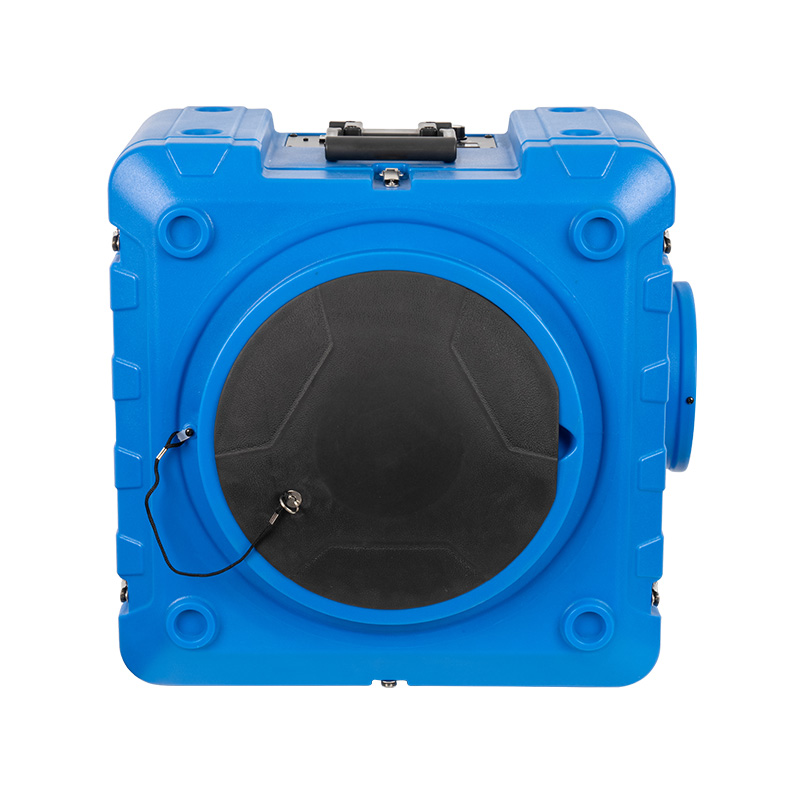
Three-Stage Filtration: The air scrubber features a three-stage filtration system that includes a pre-filter (MERV-10), carbon filter, and H13 HEPA filter. It effectively removes dust, pollen, smoke, ...
See Details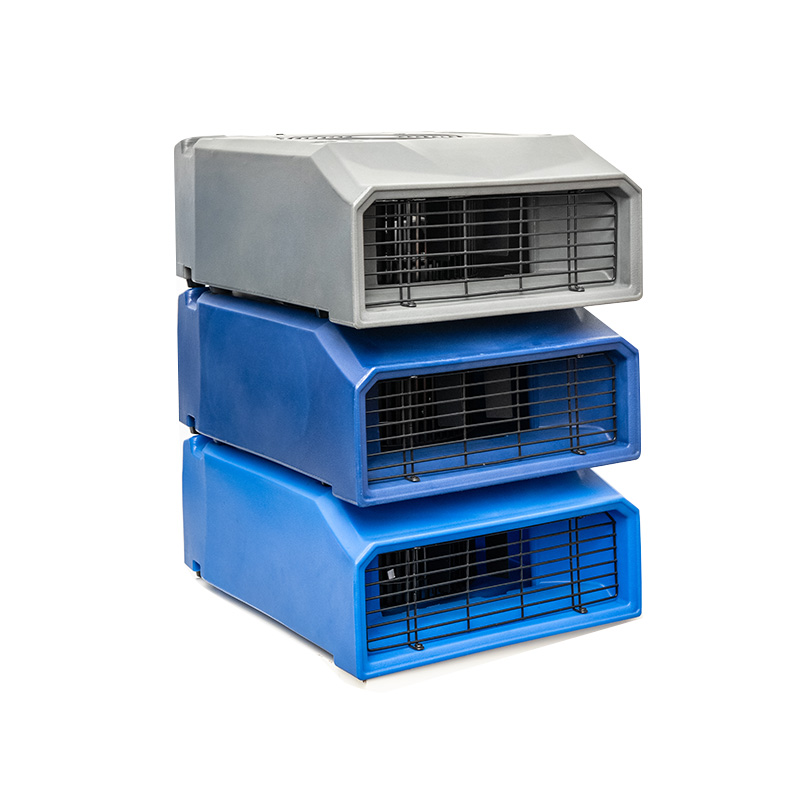
The AM-B01 High Air Volume Thin Carpet Dryers are equipped with a powerful motor that generates a high volume of airflow to ensure that your carpet dries thoroughly and quickly. This high air volume n...
See Details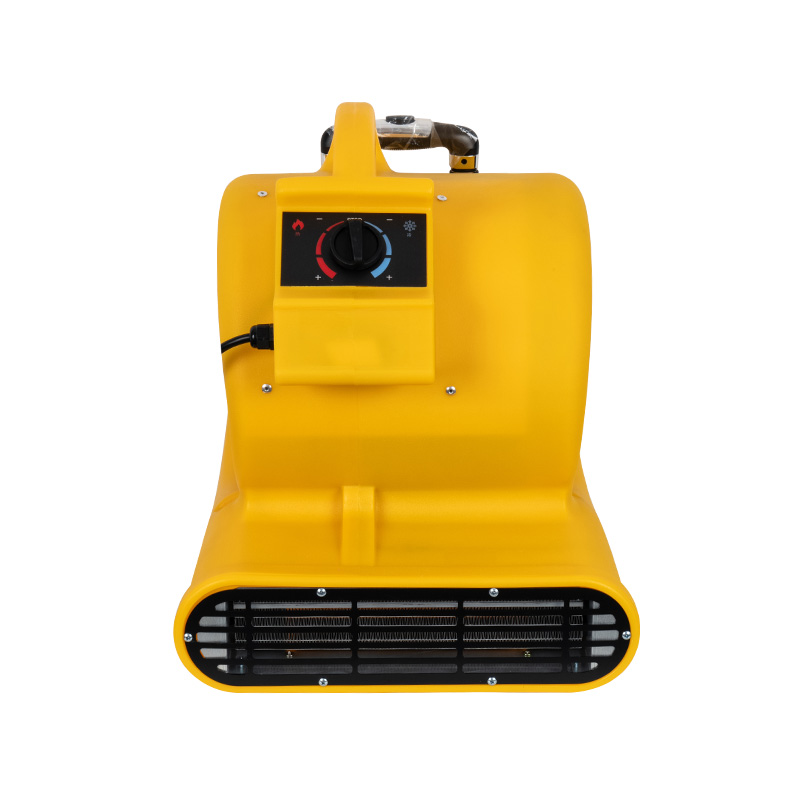
The AM-A01 Hot and Cold Carpet Drying Fans are versatile units designed to speed up the carpet drying process by utilizing hot and cold air. Combining the benefits of hot and cold air circulation, the...
See Details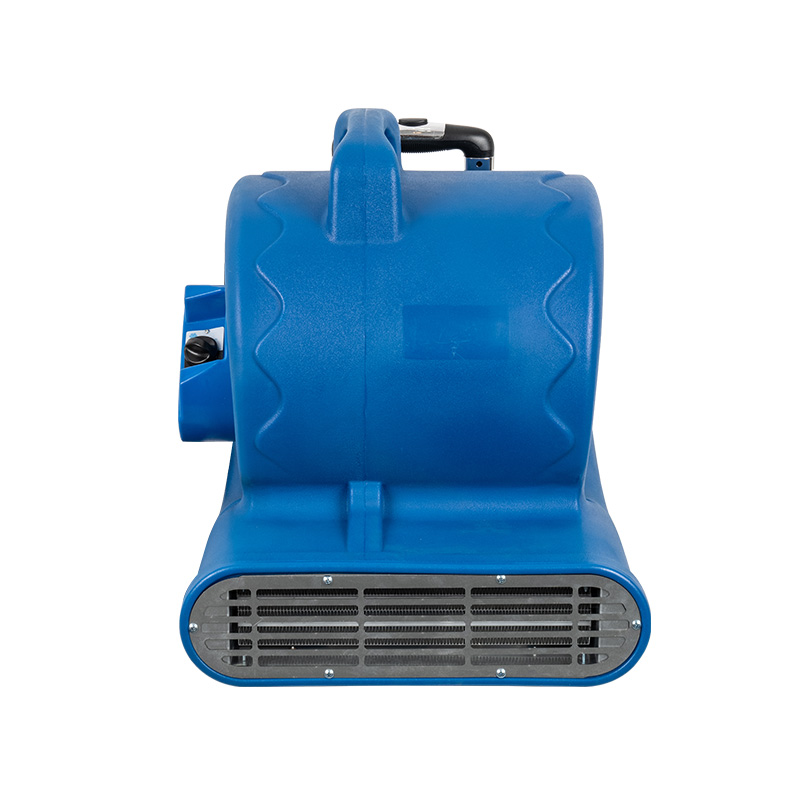
AM-A02 Multi-wing Centrifugal Wind Wheel Carpet Dryers effectively increase wind power and airflow for faster and more efficient carpet drying through the use of multi-wing centrifugal wind wheel tech...
See Details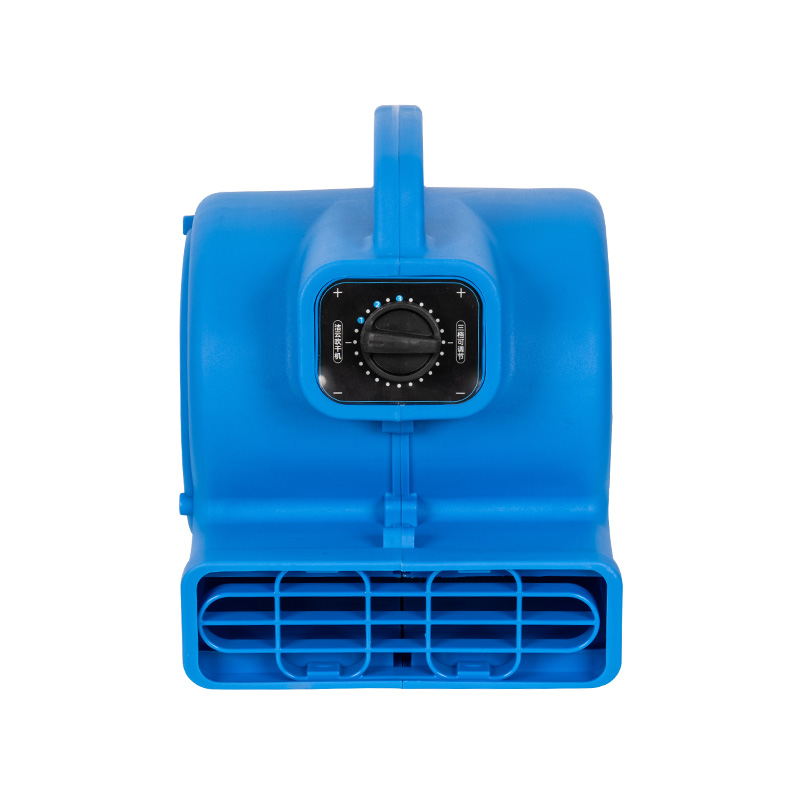
The AM-A03 Small Axial Floor Carpet Dryer is a highly efficient and versatile drying unit with a centrifugal air mover for faster surface drying. Not only is it suitable for drying carpets, floors, fu...
See Details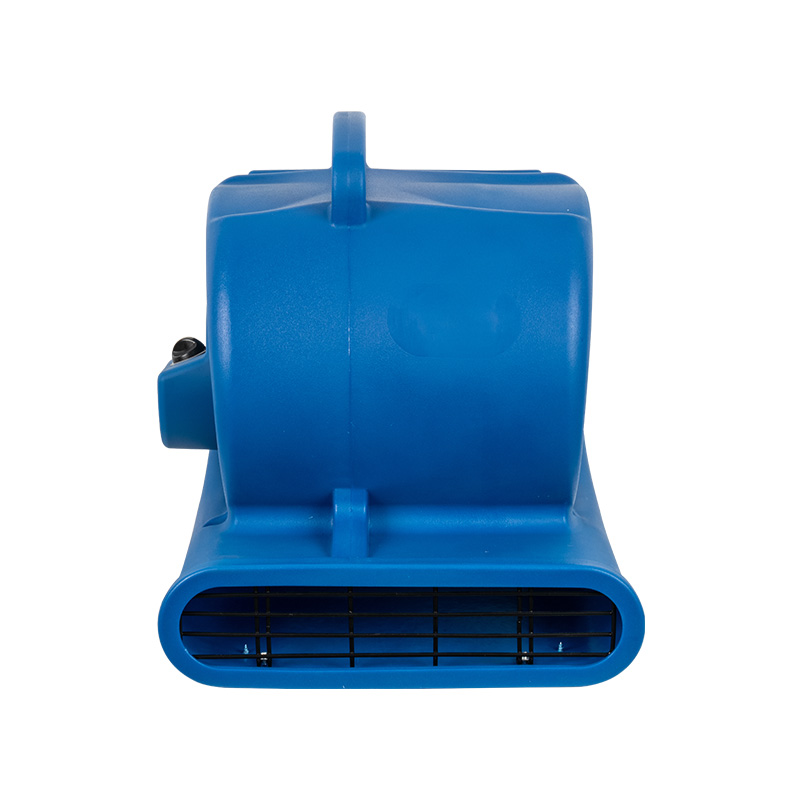
The AM-A04 Lightweight Portable Carpet Wall Floor Dryer features advanced centrifugal air movement technology for faster surface drying results. Not only is it suitable for a wide range of carpet, flo...
See DetailsStore Information
No. 88, Yuexin Road, Sanjiang Street, Shengzhou City, Shaoxing City, Zhejiang Province, China
+86-13819532379
Links
Products
Mobile Terminal
