Content
You installed a dehumidifier in your basement three weeks ago, and the humidity problems are finally under control. The new problem is the bucket. It fills twice a day, and every time you forget to empty it, the unit shuts itself off with a blinking full-tank light.
Here is the short answer first. If there is a floor drain lower than the dehumidifier, attach a gravity drain hose and stop carrying water altogether. If the only drain is above the unit, use a condensate pump to push water upward. Manual bucket emptying is dependable, but it is also the most labor-intensive option, so reserve it for portable units and temporary setups.
To see why that guidance holds, you need to know where the water comes from. A compressor cools the air, moisture condenses on the cold coil, and the water either collects in a bucket or exits through a continuous drain outlet. The condensation cycle is covered in our article on how a dehumidifier works. For daily use, the practical point is simple: your drain choice decides whether the appliance runs unattended for days or interrupts your routine constantly.
Manual draining means the unit collects water in its internal tank, and you lift the tank out when it is full. A float switch normally stops the compressor before overflow, so the real cost is not a flooded floor; it is your time. A typical 10-pint room unit fills a 2-litre bucket in about 8 to 12 hours, and a 30-pint basement model can fill the same bucket twice as quickly.
To empty it without spills:
The limitation is obvious: someone has to do this every day. Manual draining suits small rooms, occasional use, or rooms without any floor drain. For this type of service, pick a compact unit with a comfortable bucket handle and a clear water-level window. The DEHB02 portable compact dehumidifier is built around those needs.
Gravity drainage connects the continuous drain outlet on the dehumidifier to a hose that runs downhill to a floor drain, sump pit, or pump basin. It is the cheapest and most reliable method, and it uses no electricity.
Three conditions must hold for gravity drainage to work:
Setting it up takes about ten minutes:
The most common mistake is routing the hose over a pipe or duct so that the middle of the run rises above the outlet. Water cannot climb that hump, so it backs up into the bucket and the unit shuts off. Keep the entire route as short and as straight as possible.
When a basement has no floor drain, or the finish work makes a gravity line impossible, a condensate pump is the answer. The pump contains a small reservoir with a float switch and a motor. Water drains by gravity into the reservoir; when the float rises to its set height, the motor pushes water upward through a vinyl discharge tube to a sink drain, laundry tub, or exterior wall outlet.
Installation takes about 30 minutes:
Choose a pump with an integrated check valve so water in the discharge tube does not flow backward and keep the pump cycling. Clean the reservoir twice a year; floating debris is the most common cause of a stuck float switch.
If the dehumidifier needs to be repositioned while the pump stays near the drain, a wheeled model makes the setup noticeably easier. The DEHB04 adjustable air dehumidifier with wheels can be rolled up to the pump basin, and its outlet adjusted to keep the drain line short.
The table below compares the three methods across the factors that matter most in daily use.
| Method | Daily effort | Setup cost | Maintenance | Best for |
|---|---|---|---|---|
| Manual bucket | High | None | Rinse bucket weekly | Small units, short-term use |
| Gravity hose | None | Low | Check slope and clogs | Basements with floor drain |
| Condensate pump | None | Medium | Clean pump reservoir | Draining upward or long distances |
Your decision also depends on the type of dehumidifier you own or plan to buy. Portable units can switch between methods by changing the hose connection, so you are not locked into one choice. Permanently installed units, by contrast, often have a fixed drain connection, which means the drainage method is decided at installation time rather than later.
Most drain failures are installation errors rather than defective hardware. These five problems account for nearly every drain-related complaint we see:
The most direct way to avoid drainage frustration is to select a unit whose drain design matches the room before installation. For a finished basement, look for a model with a rear-facing outlet that accepts a standard hose, so the connection stays out of sight. For a boiler room or utility space, a floor-standing unit with a large reservoir offers flexibility. For a drop ceiling or duct system, a duct-mounted dehumidifier drains directly into plumbing while the body stays hidden above the ceiling.
Once a duct-mounted or ceiling-mounted unit is piped, changing the drain is a real project, so the slope and connection details need to be right the first time. The DEHB01 large-capacity ceiling-mounted duct dehumidifier is designed for permanent gravity drains in industrial and commercial spaces.
Confirm the capacity before you commit to any setup. An undersized unit runs almost continuously, fills its bucket faster, and pushes far more water through the drain line than the rated flow expects. The standing dehumidifier sizing and placement guide walks through capacity math, clearances, and the most common placement mistakes.
The decision tree works in nearly every room: a gravity hose when water can flow downhill, a condensate pump when it cannot, and a bucket only as a fallback for occasional use. Drainage is a one-time setup decision, but it decides how much time the dehumidifier asks from you every single day. Get it right, and the unit quietly does its job for weeks at a time, with zero attention.
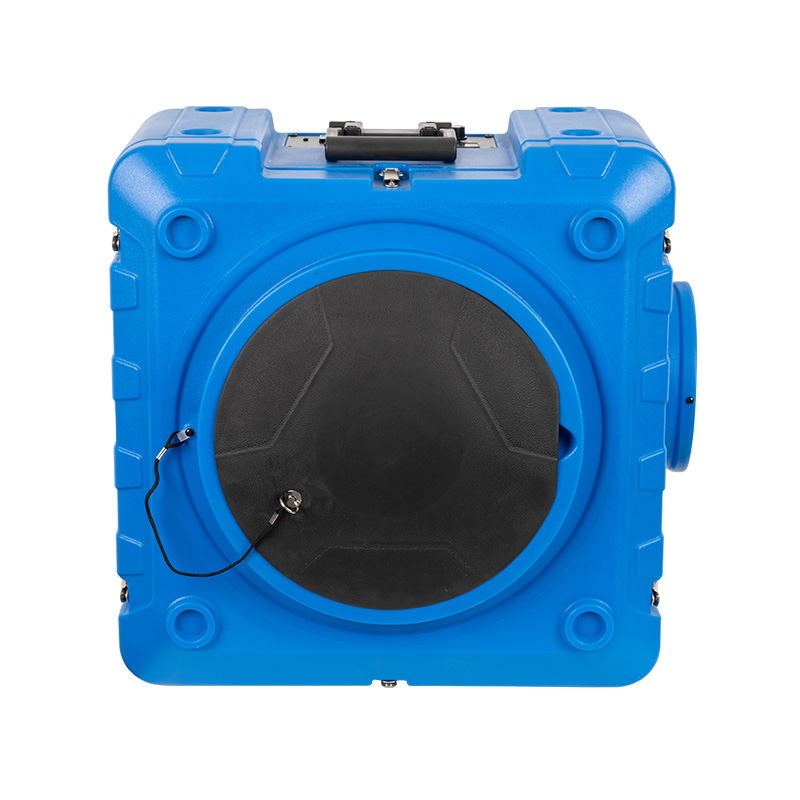
Three-Stage Filtration: The air scrubber features a three-stage filtration system that includes a pre-filter (MERV-10), carbon filter, and H13 HEPA filter. It effectively removes dust, pollen, smoke, ...
See Details
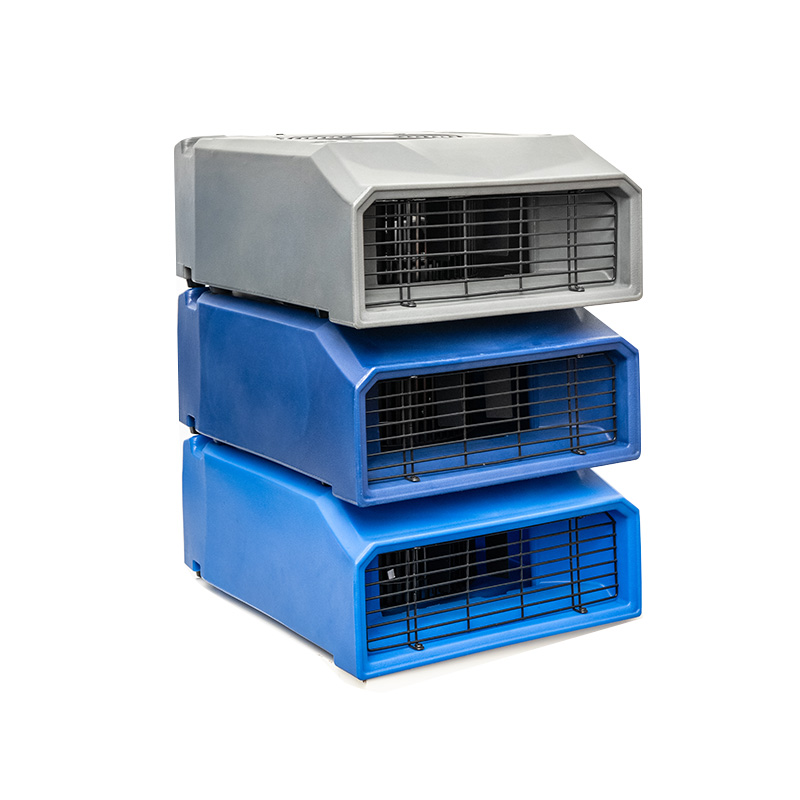
The AM-B01 High Air Volume Thin Carpet Dryers are equipped with a powerful motor that generates a high volume of airflow to ensure that your carpet dries thoroughly and quickly. This high air volume n...
See Details
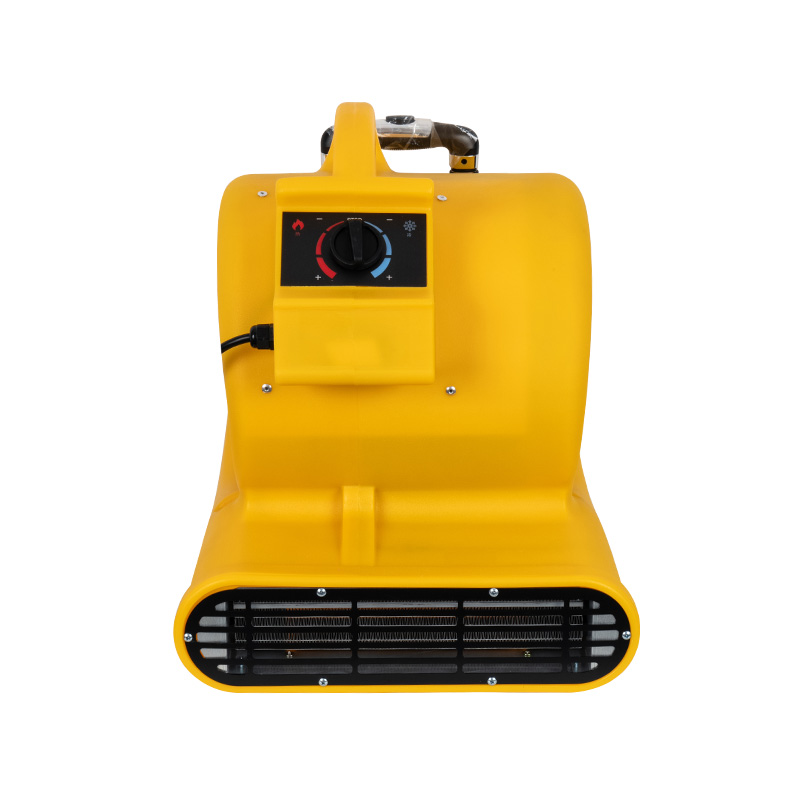
The AM-A01 Hot and Cold Carpet Drying Fans are versatile units designed to speed up the carpet drying process by utilizing hot and cold air. Combining the benefits of hot and cold air circulation, the...
See Details
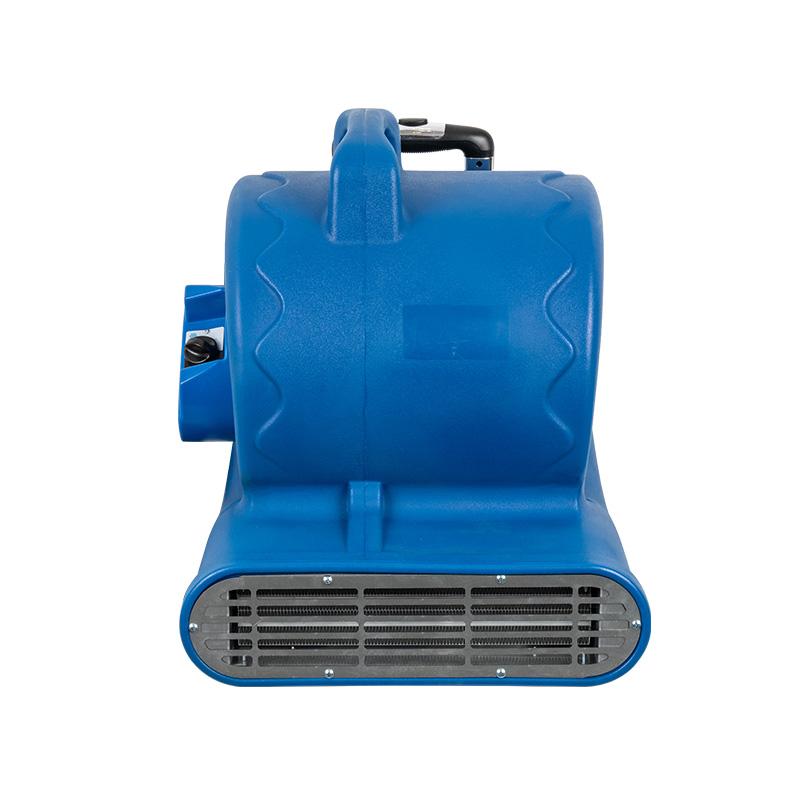
AM-A02 Multi-wing Centrifugal Wind Wheel Carpet Dryers effectively increase wind power and airflow for faster and more efficient carpet drying through the use of multi-wing centrifugal wind wheel tech...
See Details
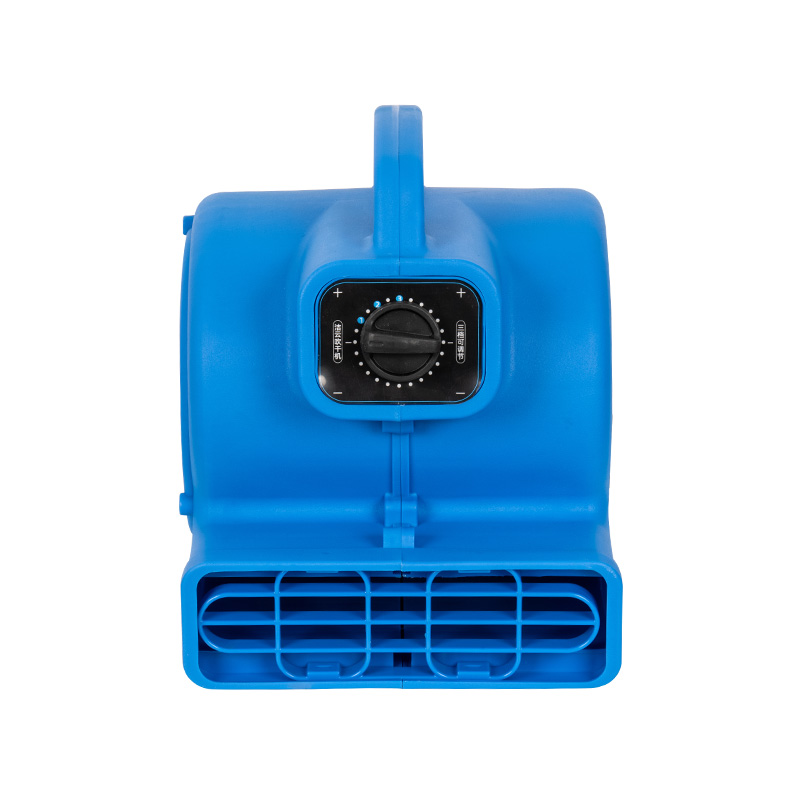
The AM-A03 Small Axial Floor Carpet Dryer is a highly efficient and versatile drying unit with a centrifugal air mover for faster surface drying. Not only is it suitable for drying carpets, floors, fu...
See Details
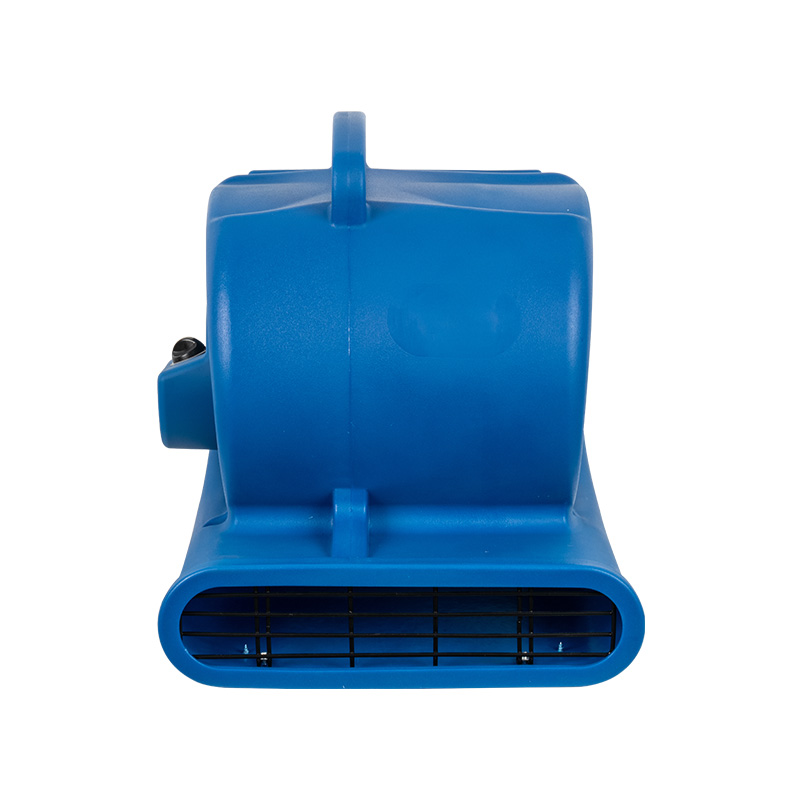
The AM-A04 Lightweight Portable Carpet Wall Floor Dryer features advanced centrifugal air movement technology for faster surface drying results. Not only is it suitable for a wide range of carpet, flo...
See DetailsStore Information
No. 88, Yuexin Road, Sanjiang Street, Shengzhou City, Shaoxing City, Zhejiang Province, China
+86-13819532379
Links
Products
Mobile Terminal